The Legacy of Roman Mythology in Neoclassical Literature
The Legacy of Roman Mythology in Neoclassical Literature
The Neoclassical period, spanning roughly from the late 17th to the late 18th centuries, marked a significant revival of classical ideas, aesthetics, and themes in literature, art, and philosophy. This movement was deeply influenced by the ancient Roman civilization, particularly its mythology. Roman mythology, enriched with a pantheon of gods, heroic narratives, and moral allegories, provided a fertile ground for Neoclassical writers and thinkers. This article explores the enduring legacy of Roman mythology in Neoclassical literature, examining how it shaped themes, forms, and cultural contexts during this period.
The Foundations of Neoclassicism
Neoclassicism arose as a response to the excesses of the Baroque era, advocating for clarity, proportion, and discipline. Influenced by the rationalism of the Enlightenment, Neoclassicists sought inspiration from the classical texts of ancient Rome and Greece. Roman mythology, in particular, offered models of virtue, honor, and moral lessons that Neoclassical authors could draw upon. Writers like John Dryden, Alexander Pope, and Samuel Johnson engaged with classical themes, reviving figures from Roman myth for their narratives and using these stories to reflect contemporary moral and social issues.
Key Themes and Figures
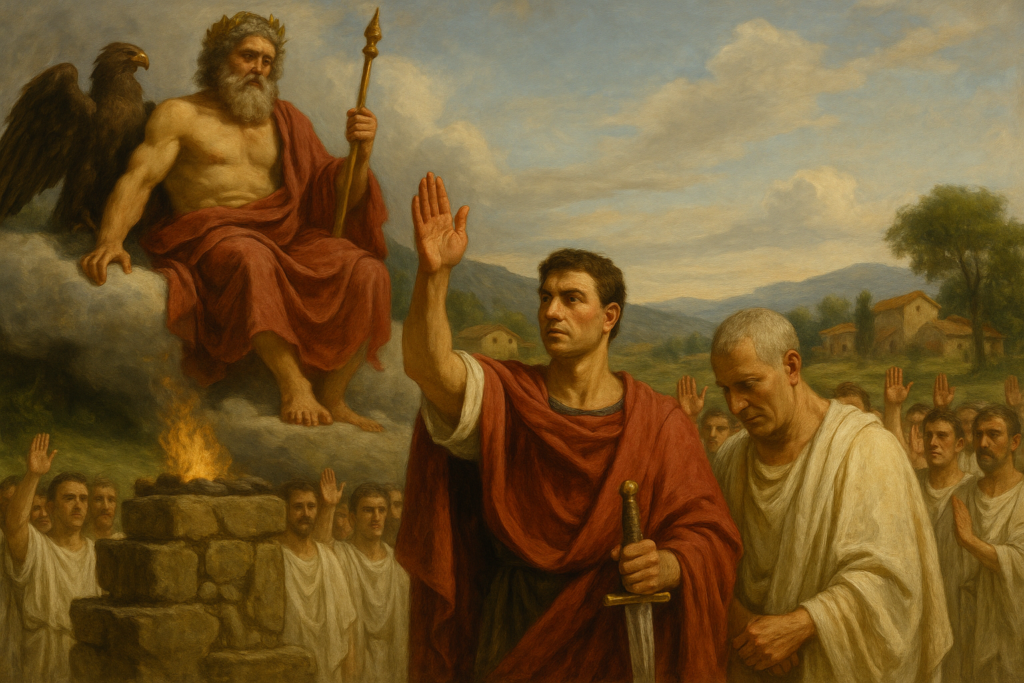
Roman mythology introduced a rich array of themes that resonated with the Neoclassical ethos. One of the most prevalent themes was the intersection of fate and free will, particularly in the context of human virtue and vice. The tales of heroes like Aeneas and Julius Caesar epitomized qualities such as duty, bravery, and piety, which Neoclassical writers admired and emulated in their works.
For instance, in Dryden’s epic poem Annus Mirabilis, he alludes to Roman mythology to highlight the resilience and fortitude of the English people during the Great Fire of London. By invoking the image of the heroic Aeneas, Dryden parallels the journey of the English through disaster and recovery, reinforcing the idea that honor and virtue transcend individual calamity.
Transformation in Poetry
The aesthetic of Roman mythology significantly shaped Neoclassical poetry, particularly through the use of classical forms such as the epic and the ode. The structure and meter of Roman poetry, especially the works of Virgil and Ovid, influenced poets like Alexander Pope, who adeptly combined humor, satire, and moral critique in his own writings. In The Rape of the Lock, Pope employs mythological allusions to explore themes of vanity, social status, and the triviality of human conflicts, utilizing a mock-epic form to critique contemporary society.
Moreover, Pope’s translations of Homer and adaptations of classical mythological figures—such as his portrayal of the goddess Clio—reflect the integration of Roman myth into narratives that commented on human behavior, societal norms, and the pursuit of knowledge. These adaptations underscored the universality of Roman mythology, demonstrating its relevance in elucidating the complexities of human life and morality.
Theatrical Influence
Roman mythology also made its mark on Neoclassical drama. Playwrights like Jean-Baptiste Racine and Thomas Otway incorporated mythological themes and characters into their works to delve into human emotions and conflicts. In Racine’s Phèdre, the story of Hippolytus and Phaedra, drawn from Roman sources, explores themes of forbidden love, guilt, and tragic consequences—concerns that resonated deeply with audiences of the time.
The adoption of neoclassical dramatic conventions—such as the three unities of time, place, and action—was further complemented by the moral lessons inherent in Roman myths. The moral and ethical dilemmas faced by characters were often paralleled with Roman narratives, drawing attention to human imperfection and the pursuit of virtue in an imperfect world.
Philosophical Undertones
The intellectual backdrop of the Neoclassical period was steeped in Enlightenment thought, where reason and rationality were paramount. Roman mythology, with its rich allegories and archetypal figures, was often reinterpreted to align with Enlightenment ideals. The moral implications of the myths were explored, encouraging readers and thinkers to examine the human condition and the principles of justice and virtue.
The works of philosophers like John Locke and Montesquieu, while not strictly literary, interacted with Neoclassical themes, and the use of myth within literature was employed as a vehicle to communicate philosophical ideals. The rational examination of human behavior through mythology encouraged a deeper understanding of societal structures, governance, and the relationship between the individual and the state.
The Decline and Transformation
As the Neoclassical period came to an end, the increasing influence of Romanticism began to challenge the ideals of order and rationality established during the Neoclassical era. However, the legacy of Roman mythology continued to resonate in the works of Romantic poets and writers. Figures like Lord Byron and John Keats drew upon mythological themes while exploring emotions, individuality, and nature, indicating a shift in the interpretation of classical ideas.
Conclusion
The legacy of Roman mythology in Neoclassical literature is profound and multifaceted. It provided not only a source of inspiration and thematic material but also a moral framework through which to examine contemporary society and human nature. From the epic poetry of Dryden to the dramatic works of Racine, the influence of Roman mythology helped shape a literary tradition that valued clarity, order, and reason while grappling with the complexities of the human experience.
In examining the Neoclassical period through the lens of Roman mythology, we gain insight into how ancient narratives continue to inform and reflect the evolving human condition. The interplay between myth and reality underscores the timeless nature of these stories, reminding us that the lessons of the past remain relevant in shaping our understanding of the present and the future.