The Aeneid: Greek Mythology’s Influence on Roman Epics
Introduction
The Aeneid, an epic poem written by the Roman poet Virgil between 29 and 19 BCE, is one of the most significant works of Latin literature. As a cornerstone of Roman culture, it intricately weaves elements of Greek mythology into its narrative, providing a unique perspective on the Roman identity. The Aeneid not only pays homage to its Greek predecessors, particularly Homer’s Iliad and Odyssey, but also serves as a vehicle for promoting Roman ideals and values. This article explores the profound influence of Greek mythology on Virgil’s epic and how it shaped the themes, characters, and narrative structure of The Aeneid.
Greek Mythology: The Foundation of Roman Thought
Greek mythology has profoundly influenced Western literature, art, and philosophy. When the Romans encountered Greek culture, they adapted many aspects, including deities, myths, and literary forms. This syncretism was not merely a process of imitation; rather, it involved reinterpretation and integration of Greek elements into a distinctly Roman framework.
Italian in origin, the Aeneid does not merely echo the tales of Greek gods and heroes; it recontextualizes them to instill a sense of Roman destiny and exceptionalism. The poem tells the story of Aeneas, a Trojan hero and the son of the prince Anchises and the goddess Venus. His journey from the ashes of Troy to the shores of Italy serves as a narrative bridge that connects the epic tradition of Greek literature with the origins of Rome. By doing so, Virgil deftly presents Aeneas not only as a hero, but as the embodiment of Roman virtues such as piety, duty, and loyalty to the state.
Themes of Duty and Destiny
Central to The Aeneid is the theme of duty (pietas) versus personal desire, echoing the conflicts faced by characters in Greek epics. Aeneas is compelled to leave his home and undertake a perilous journey because of a divine mandate. His fate—dictated by the gods—is to found a city that will eventually become Rome. This concept of ‘fate’ (fatum) parallels the Greek notion of hubris and the inescapable destiny that characters like Achilles and Odysseus often grapple with.
Virgil utilizes a similar narrative structure to that of Homer. In the Iliad, heroes face monumental challenges and must navigate the weight of personal emotions versus their destinies. Aeneas, too, encounters moments of doubt and temptation—the romantic attraction to Dido, for instance—yet consistently returns to his duty to fulfill his destiny. This serves to emphasize the Roman value of civic duty over personal aspiration, aligning with Augustus’ efforts to promote virtues that bolster the empire.
The Divine as Guide and Antagonist
The gods play significant roles in both Greek and Roman literature. In The Aeneid, divine intervention shapes Aeneas’s journey, just as it does for Achilles and Odysseus. However, Virgil enriches the narrative by weaving a tension between divine support and antagonism. The goddess Juno, for example, embodies hostility toward Aeneas due to her resentment against the Trojans and her favoritism for Carthage. This opposition accentuates Aeneas’s struggles and highlights the unpredictability of divine favor, a theme prevalent in both Greek and Roman traditions.
Unlike in many Greek myths, where gods often engage in petty squabbles and exhibit whims suited to human faults, Virgil’s deities display more defined roles. They function not only to facilitate or hinder Aeneas’s journey but also symbolize larger concepts—Venus as love and beauty, and Juno as conflict and strife. This thematic depth adds layers to the narrative, aligning the reader with Aeneas’s fate while concurrently contemplating the broader implications of divine influence on human efforts.
Intertextuality and Literary Technique
Virgil’s use of intertextuality also showcases the strong influence of Greek mythology. The Aeneid is replete with allusions to Homer’s works and other Greek myths. For instance, Aeneas’s descent into the Underworld in Book 6 is reminiscent of Odysseus’s encounter with the dead in Book 11 of the Odyssey. Through this journey, Virgil emphasizes themes of remembrance and lineage, as Aeneas meets the spirits of future Roman leaders, establishing a continuity of purpose and glorifying Rome’s destined influence.
Furthermore, Virgil’s poetic form reflects epic traditions laid down by the Greeks. Utilizing the dactylic hexameter, a meter typical of Greek epics, Virgil aligns himself with Homeric traditions while innovating upon them. He also employs vivid imagery, symbolic motifs, and divine prophecies, techniques deeply rooted in Greek narrative traditions, yet tailored to communicate Roman ideals.
Legacy of The Aeneid
The Aeneid became a touchstone for Roman cultural identity, deeply influencing literature and art throughout history. It served as a foundational text for Roman education and an emblem of Roman propaganda, especially during the reign of Augustus. The poem’s portrayal of Aeneas as the ‘pious leader’ reinforced Augustus’ social reforms aimed at promoting a semblance of unity and moral rectitude during a time of political tumult.
As the centuries unfolded, The Aeneid exerted a lasting influence not only on Roman literature but also on the entire Western literary tradition. The moral dilemmas, psychological depth, and character complexities that Virgil explored have echoed through the works of Dante, Milton, and countless others.
Conclusion
The Aeneid stands as a testament to the enduring influence of Greek mythology on Roman epics. Through its rich tapestry of divine intervention, themes of duty, and intertextual connections to Greek literature, Virgil crafted a narrative that transcended mere imitation. He provided a lens through which the Romans could view their history and identity. By intertwining Greek mythological elements with Roman ideals, The Aeneid became an epic that not only celebrated the past but also forged the future, shaping a legacy that resonates to this day.
Recommended reading
These are affiliate links. If you buy through them, we may earn a commission at no extra cost to you.
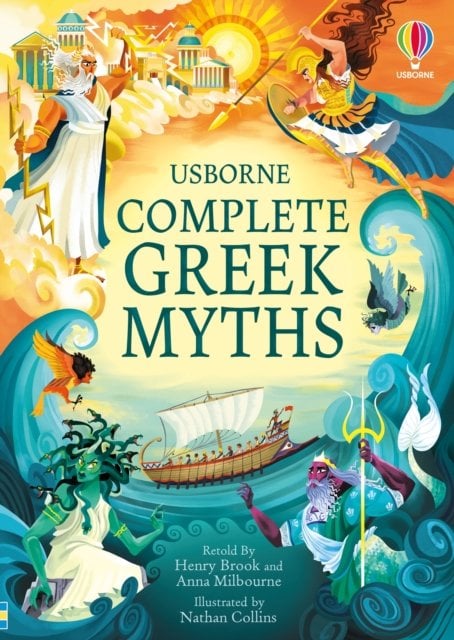
Complete Greek Myths: An Illustrated Book of Greek Myths
Featuring detailed retellings, beautiful character illustrations, and cultural background, this comprehensive volume brings the best-known and obscure Greek myths to life for readers of all ages. Complete with maps, a glossary, and a QR code for pronunciation guides and extra resources, it is an essential addition to any family bookshelf.
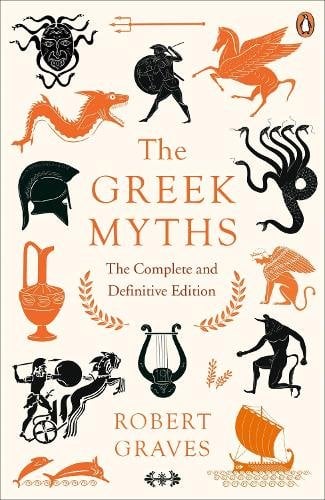
The Greek Myths: The Complete and Definitive Edition
Robert Graves’s definitive edition weaves the classic Greek myths, from the Labours of Hercules to the Trojan War, into one sweeping, authoritative narrative. Perfect for both first-time readers and classicists, this comprehensive volume combines engaging storytelling with detailed scholarly commentary and a complete index of names.
The Odyssey
Homer’s timeless epic The Odyssey follows the hero Odysseus on a perilous decade-long journey home from Troy, facing mythical monsters and divine wrath. Meanwhile, his wife Penelope and son Telemachus defend their kingdom against ruthless suitors in this classic tale of loyalty and endurance.