Rebirth of a Culture: Norse Mythology in the 21st Century
Rebirth of a Culture: Norse Mythology in the 21st Century
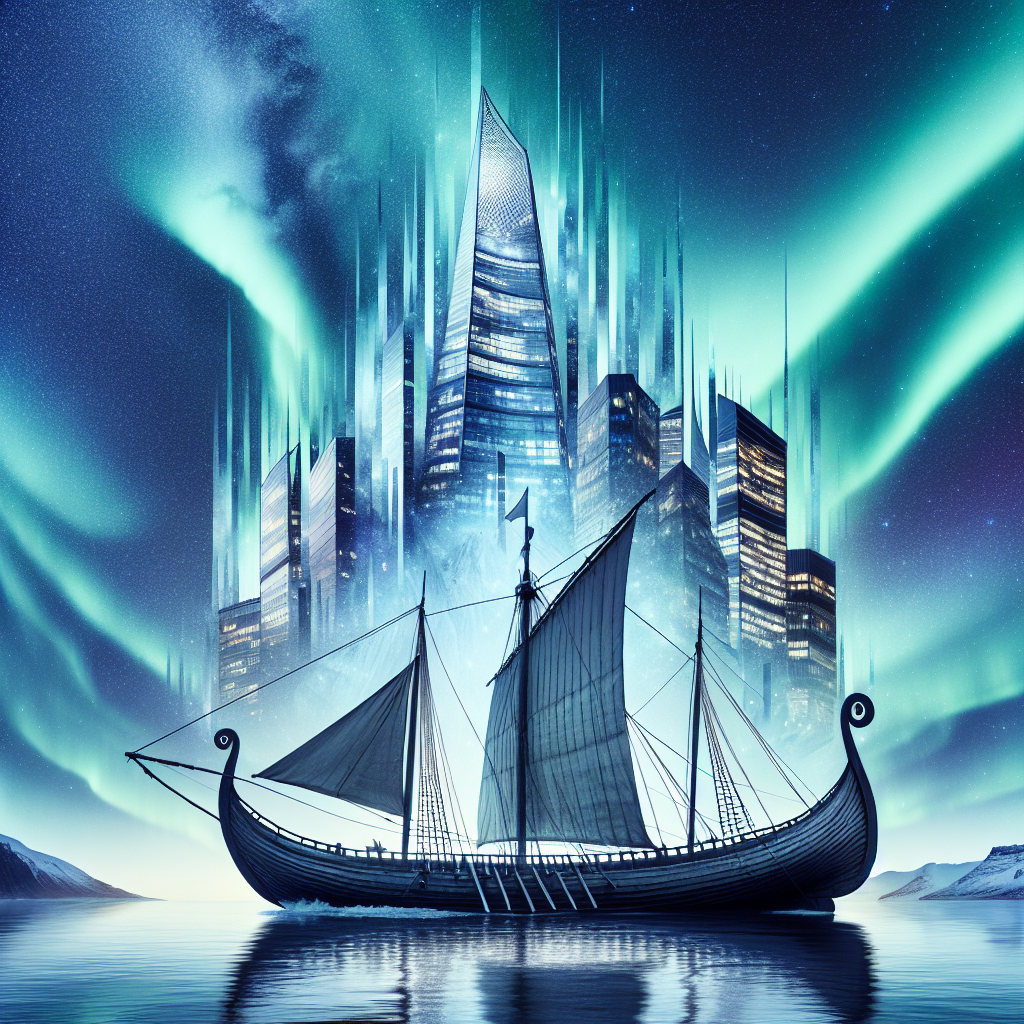
In an age where global interconnectedness and cultural exchange thrive, ancient belief systems often resurface, adjusting to contemporary contexts. One of the most compelling examples of this phenomenon is the revival of Norse mythology in the 21st century. Once confined to the annals of history and relegated to the realms of dusty textbooks and academic discourse, Norse mythology has found fresh expression in popular culture, art, literature, and even spirituality. This resurgence speaks to our collective longing for identity and meaning, as well as the enduring appeal of mythological narratives.
A Brief Overview of Norse Mythology
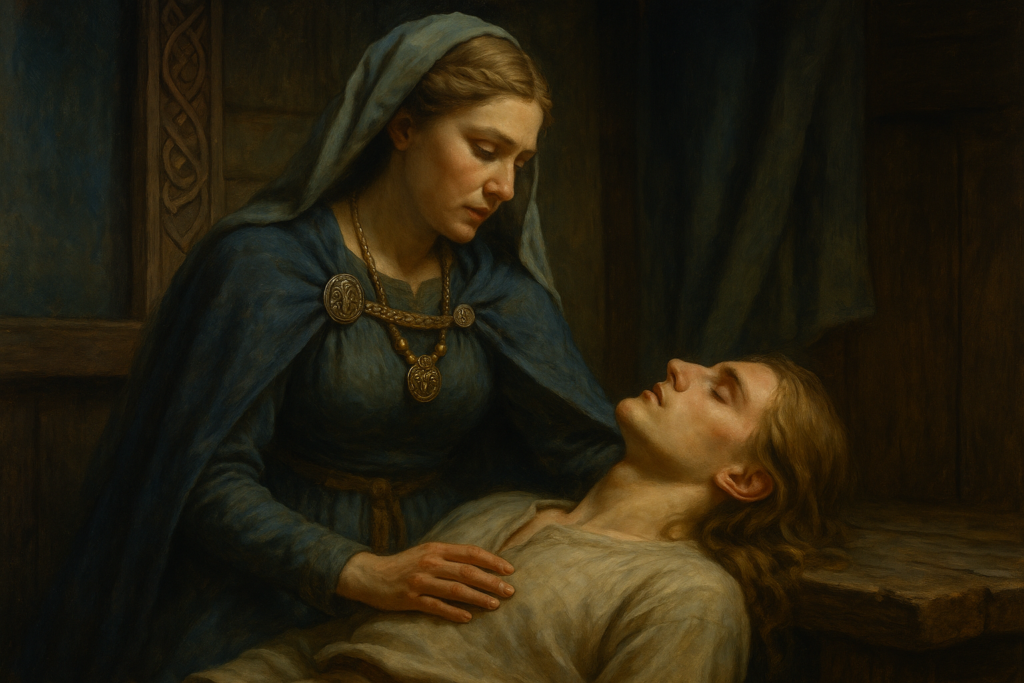
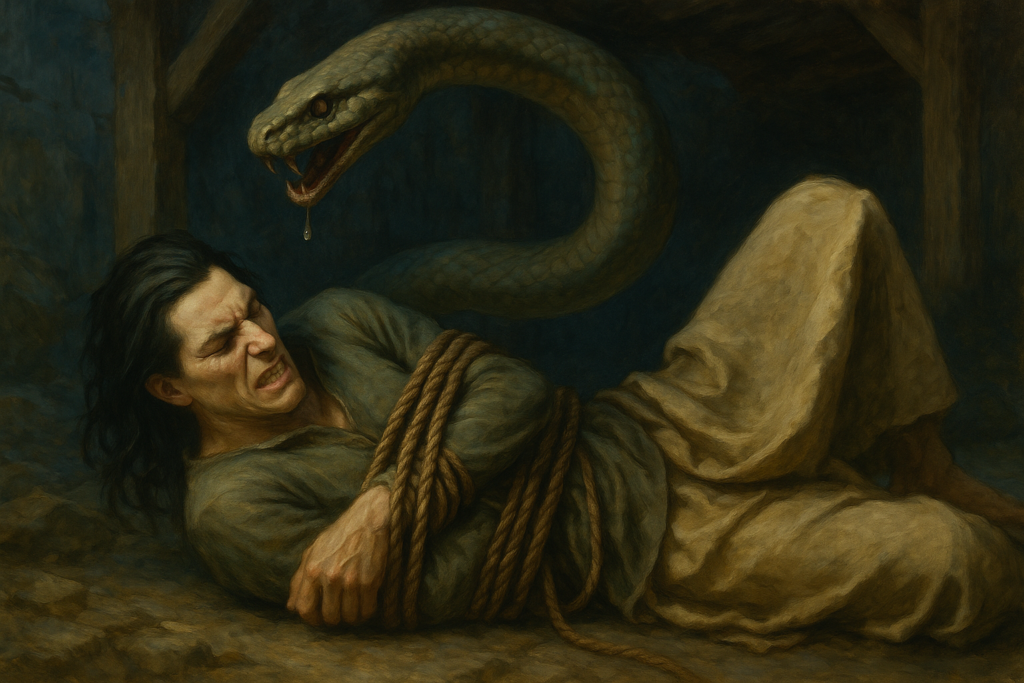
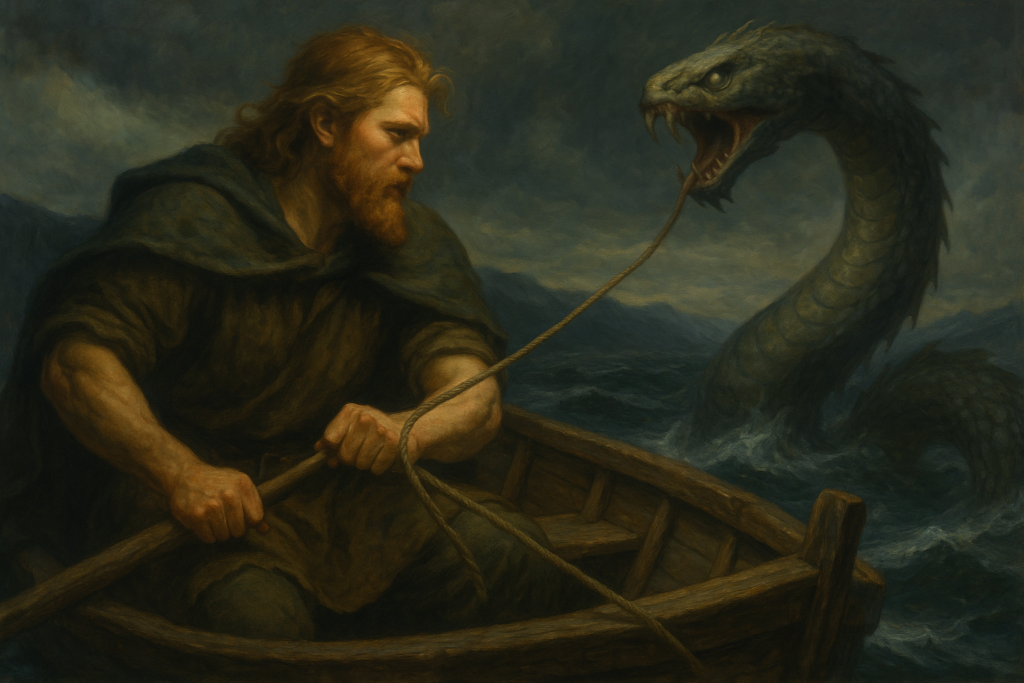
Norse mythology comprises the pre-Christian beliefs and stories of the Norse peoples, primarily in Scandinavia. It encompasses a pantheon of gods and goddesses, such as Odin, Thor, Freyja, and Loki, who embody various aspects of human experience—warfare, fertility, wisdom, and chaos. The mythology is rich in themes of heroism, sacrifice, destiny, and the cyclical nature of existence. The well-known texts of the Poetic Edda and the Prose Edda—compiled in the 13th century—serve as primary sources for these tales.
The Cultural Revival Begins
The revival of Norse mythology can be traced back to the 19th century with the Romantic movement, which prompted a renewed interest in folklore and myth. However, the 21st century has witnessed an unparalleled renaissance. This resurgence is propelled by several factors, notably globalization, the rise of digital media, and a burgeoning interest in paganism and folk spirituality.
-
Globalization and Cultural Exchange: The interconnectedness of our world today allows for ideas and cultural artifacts to permeate boundaries more easily than ever before. As people seek to reconnect with their roots, Norse mythology has been adopted and reshaped across different cultures and communities, manifesting as a source of identity and pride.
-
Digital Media: The internet is a double-edged sword, offering both the potential for the spread of misinformation and a powerful platform for cultural exchange. Norse mythology has become a staple in video games, movies, and television shows. Franchises like Marvel’s Thor, the TV series Vikings, and even indie games like Hellblade: Senua’s Sacrifice have injected life into ancient tales, redefining their relevance for modern audiences.
-
Interest in Paganism: The resurgence of pagan thought and reconstructionist pagan movements has also contributed to the revival. Many people, dissatisfied with monotheistic faiths, are exploring polytheistic systems. Modern Heathenry—often referred to as Ásatrú—is gaining traction, allowing individuals to engage with Norse gods in personal and community-based spirituality, thus giving life to ancient customs and rituals.
Popular Culture: The New Age of Norse Mythology
Perhaps the most influential vector in this renaissance is popular culture. Films like Thor and series such as Game of Thrones have captivated audiences with their fantastical elements rooted in Norse mythological themes. While the portrayal of these mythologies may not always adhere strictly to the original stories, they do serve to ignite curiosity about the rich world of Norse narratives.
Video games, too, have played a significant role in this revival. Titles like Assassin’s Creed Valhalla and God of War delve deep into the lore of Norse mythology, allowing players to experience myths through interactive storytelling. These works often encourage players to explore moral dilemmas, the nature of heroism, and the complexities of fate—key themes in Norse narrative traditions.
Literature and Academia
The literary world has also seen a resurgence in interest. Authors like Neil Gaiman and Rick Riordan have reimagined these ancient tales for younger audiences, making them accessible and engaging. Gaiman’s Norse Mythology retells the myths with a contemporary twist, allowing modern readers to connect with age-old stories in new ways. Riordan, through his Magnus Chase and the Gods of Asgard series, introduces a younger demographic to Norse myth, blending adventure, humor, and education seamlessly.
Academia is no stranger to this revival either. Scholars are increasingly exploring Norse mythology not only as a historical inquiry but also as a lens to examine contemporary societal issues. Studies in gender roles, existential philosophy, and environmental ethics can all find resonance in Norse narratives, making these ancient stories relevant to today’s discourse.
Themes of Relevance
The appeal of Norse mythology in the 21st century also lies in the themes it presents, many of which resonate deeply with contemporary societal struggles. Concepts of fate, duality, and the hero’s journey find manifestations in modern-day dilemmas. The mythological narrative often encompasses ideas of overcoming insurmountable odds, reflecting today’s struggles with societal upheaval, climate change, and personal identity crises.
Moreover, Norse myths offer a framework for understanding community and kinship, ideals that are just as important in our increasingly fragmented societies. They provide a narrative structure for exploring the human condition—a timeless quest for meaning and connection in an often overwhelming world.
Conclusion: A Cultural Phoenix
The rebirth of Norse mythology in the 21st century is a multifaceted phenomenon that encompasses art, literature, spirituality, and academic inquiry. It reveals a collective yearning to reconnect with the past while simultaneously adapting those ancient stories to fit modern sensibilities. Whether through a book, a game, or a spiritual practice, Norse mythology serves as a cultural phoenix, rising from the ashes of obscurity into the vibrant tapestry of contemporary life.
As we navigate the complexities of modern existence, these ancient tales continue to provide solace, inspiration, and a sense of belonging—an enduring thread that connects us through time and space, illuminating the path ahead while honoring the rich heritage of those who came before.