The Lasting Legacy of Roman Mythology in Contemporary Spirituality
The Lasting Legacy of Roman Mythology in Contemporary Spirituality
Introduction
Roman mythology, with its pantheon of gods, rich narratives, and moral lessons, has left an indelible mark on Western spirituality. Though often overshadowed by its Greek counterpart, Roman mythology has shaped contemporary belief systems in ways that continue to resonate today. This article explores how Roman mythology influences modern spirituality, from its symbols and deities to its thematic elements that permeate contemporary spiritual practices.
The Pantheon and the Imbued Archetypes
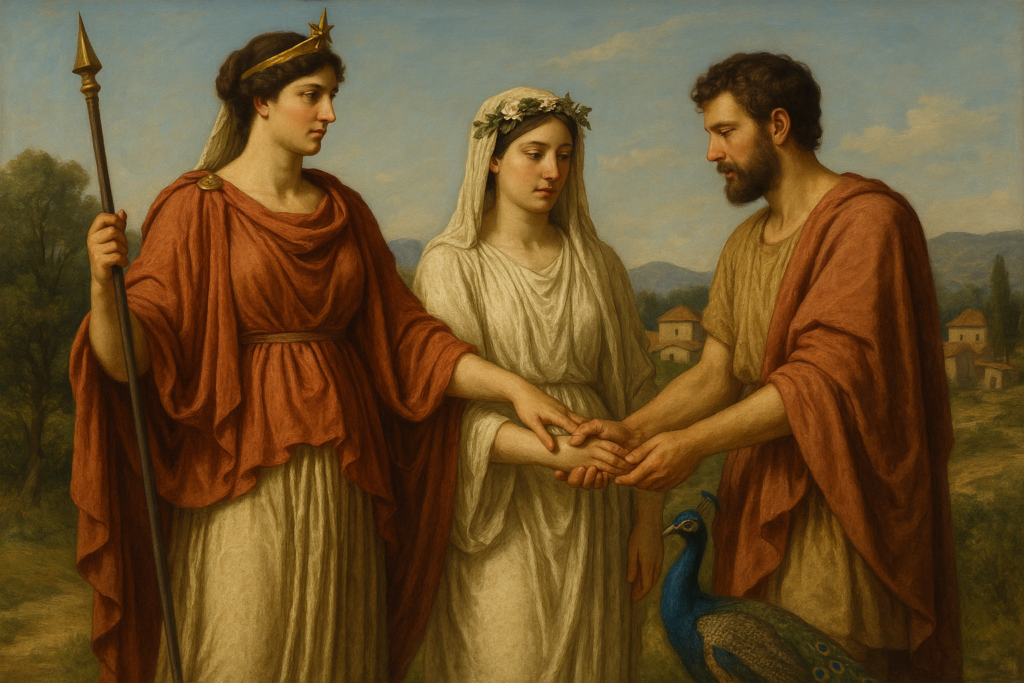
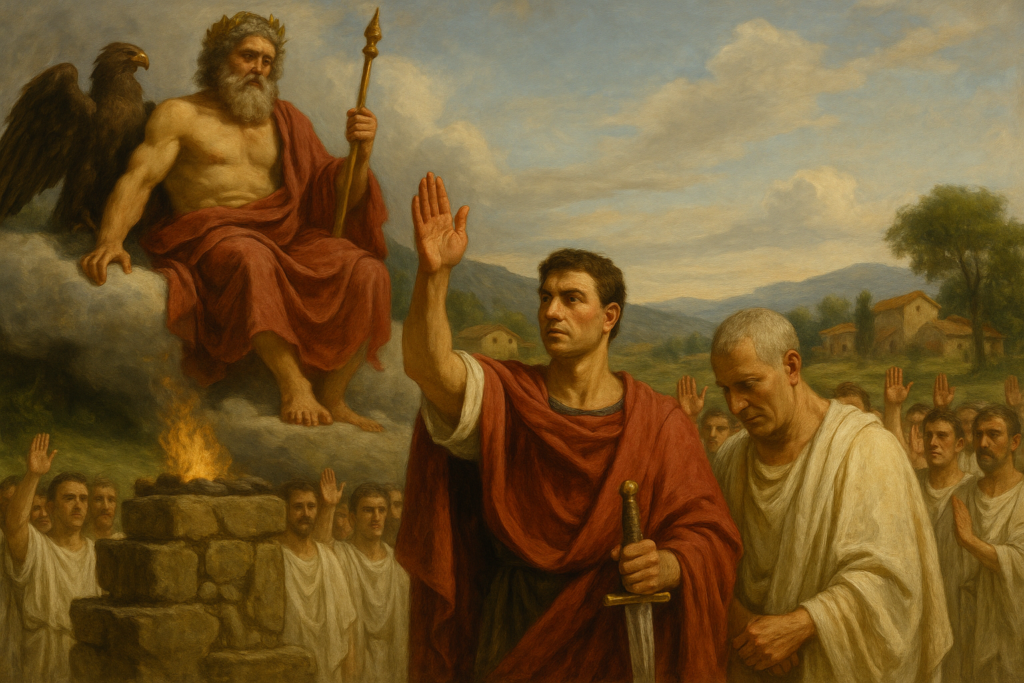
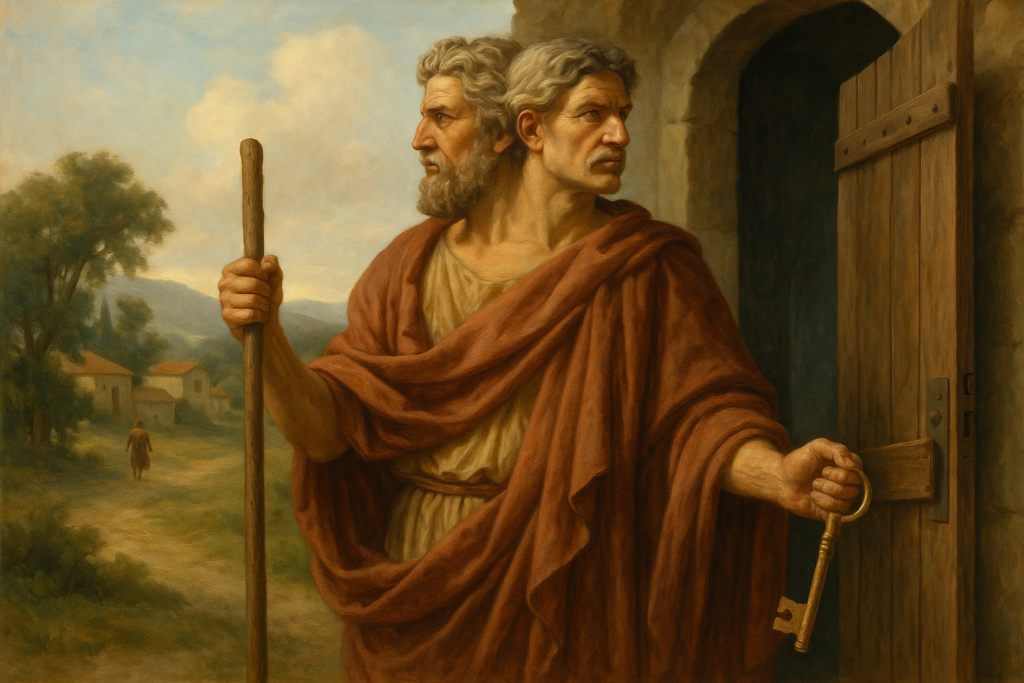
At the heart of Roman mythology is its famous pantheon, featuring deities such as Jupiter, Venus, and Mars. These gods and goddesses embody archetypes that represent various human experiences and aspirations. In contemporary spirituality, these archetypes find their place in practices like astrology and tarot, where figures symbolize aspects of the self. Jupiter represents authority and expansion, Venus stands for love and beauty, while Mars embodies action and courage.
Many contemporary spiritual practices utilize these archetypal representations to guide individuals in their self-discovery journeys. By relating personal experiences to these deities, individuals can find direction and understanding in their lives, consistently echoing themes from ancient Roman beliefs.
Mythological Narratives and Moral Lessons
Roman myths serve as a repository of moral lessons, stories that caution against hubris, greed, and betrayal while extolling virtues like loyalty, bravery, and wisdom. These stories, such as the tale of Aeneas, who embodies duty and piety, offer timeless lessons. Aeneas’ journey reflects the struggle between personal desire and collective responsibility, a theme highly relevant in contemporary spirituality.
In recent years, many spiritual seekers have turned to these myths for insights into their personal and communal lives. The act of engaging with these stories helps individuals navigate their paths, providing a narrative framework that resonates with human emotions and experiences across time. The resurgence of interest in mythology, especially in literature, film, and even therapy, highlights the enduring relevance of these ancient tales in addressing contemporary moral dilemmas.
Symbolism and Practices
Roman mythology is rife with rich symbolism that continues to influence modern spiritual rituals and imagery. Symbols such as the laurel wreath, which represents victory and accomplishment, find their place in contemporary contexts, including personal achievement and celebration rituals. Similarly, the use of fire in rites, representing purification and transformation, echoes practices from Roman times.
Spiritual movements today often incorporate these symbols to invoke power, intention, and community. From meditation visuals to altars adorned with mythological imagery, the Roman connection is apparent. Spiritual practitioners often draw upon these symbols to deepen their connection with ancestral legacies, harnessing the energy and wisdom that these ancient symbols embody.
Integration into New Spiritualities
The revival of interest in pagan and earth-based spiritual systems during the late 20th century has also brought Roman mythology back into the spiritual limelight. Neo-paganism, particularly, celebrates deities from various traditions, including those of the Roman pantheon. Figures such as Venus are often honored in rituals dedicated to love and fertility, illustrating the adaptability of Roman mythology to contemporary beliefs.
Many practitioners choose to merge ancient Roman deities with modern spiritual practices, creating personalized worship and devotion experiences. This integration can manifest in various forms, from artistic expressions to community rituals, wherein ancient stories are retold and honored in new contexts. The blending of mythological practices with modern values creates a spiritual tapestry that honors the past while addressing the present.
Psychological Dimensions and Therapy
The psychological interpretations of Roman mythology have also gained traction, particularly in the realms of Jungian psychology and modern therapeutic practices. Carl Jung’s archetypes resonate strongly with Roman mythological figures, as they offer a lens through which individuals can explore their psyches. The characters and their narratives serve as mirrors, aiding individuals in understanding their challenges, aspirations, and inner conflicts.
Therapists and spiritual guides often utilize mythic narratives to help clients engage with their psyche, fostering a dialogue that links personal experience to these timeless stories. Encouraging clients to identify with mythological archetypes promotes self-acceptance and deeper self-awareness, showing how Roman mythology can be a therapeutic tool in contemporary spirituality.
Cultural Influences in Art and Literature
The legacy of Roman mythology extends beyond spirituality into art and literature, acting as a catalyst for cultural expression. From Renaissance paintings to contemporary novels, the legends of Roman gods and their associated stories have inspired countless artists and writers. Works like Rick Riordan’s “The Heroes of Olympus” series introduce young readers to Roman mythology, blending educational elements with modern storytelling.
This fusion of myth and modernity enriches both cultural and spiritual landscapes, creating a shared heritage that invites exploration and engagement. Artistic representations of Roman myths often invite viewers to contemplate deeper spiritual truths, bridging the ancient and contemporary in a dialogue that continues to inspire.
Conclusion
The lasting legacy of Roman mythology in contemporary spirituality is a testament to the enduring nature of human narratives and their power to inform belief systems. Through archetypes, moral lessons, symbols, and modern spiritual practices, Roman myths continue to resonate deeply with individuals navigating their spiritual journeys today.
As we explore these ancient stories and figures, we find a wealth of wisdom that transcends time and culture, providing insight, guidance, and connections to both the past and the present. By recognizing and honoring this legacy, we can appreciate the timeless relevance of Roman mythology in shaping modern spiritual experiences and expressions. In the end, the gods of Rome may be distant echoes of a bygone era, but their influence remains a vital part of our collective spiritual journey.