Discovering the Depth of Norse Mythology: More Than Just Stories

Norse mythology, steeped in rich narratives that span generations, often conjures images of valiant warriors, enigmatic gods, and epic battles. At a glance, it might seem like mere fantastical tales woven together to entertain or scare children; however, upon deeper exploration, one discovers a vast and profound cosmology that reflects the complexities of human experience. Unlike mere folklore, Norse mythology offers insights into existential themes that resonate across cultures, emphasizing morality, fate, and the human condition.
The Cosmos of Norse Mythology
At the heart of Norse mythology lies a sophisticated cosmology. The universe is depicted as a vast tree called Yggdrasil, an enormous ash tree that connects nine realms—each offering a unique facet of existence. These realms include Asgard, home of the gods; Midgard, the realm of humans; and Niflheim, the land of ice and mist. This structural design suggests not only a comprehensive understanding of the universe but also a reflection of interconnectedness, resembling the contemporary ecological perspective of life.
Each realm embodies distinct qualities and challenges, symbolizing various human experiences. For instance, Asgard represents the ideals of heroism and honor while Niflheim evokes fear and inevitable decay. By understanding these realms, contemporary readers can explore the joys and sorrows inherent in life, gaining a broader perspective on their own challenges and triumphs.
The Gods and Their Lessons
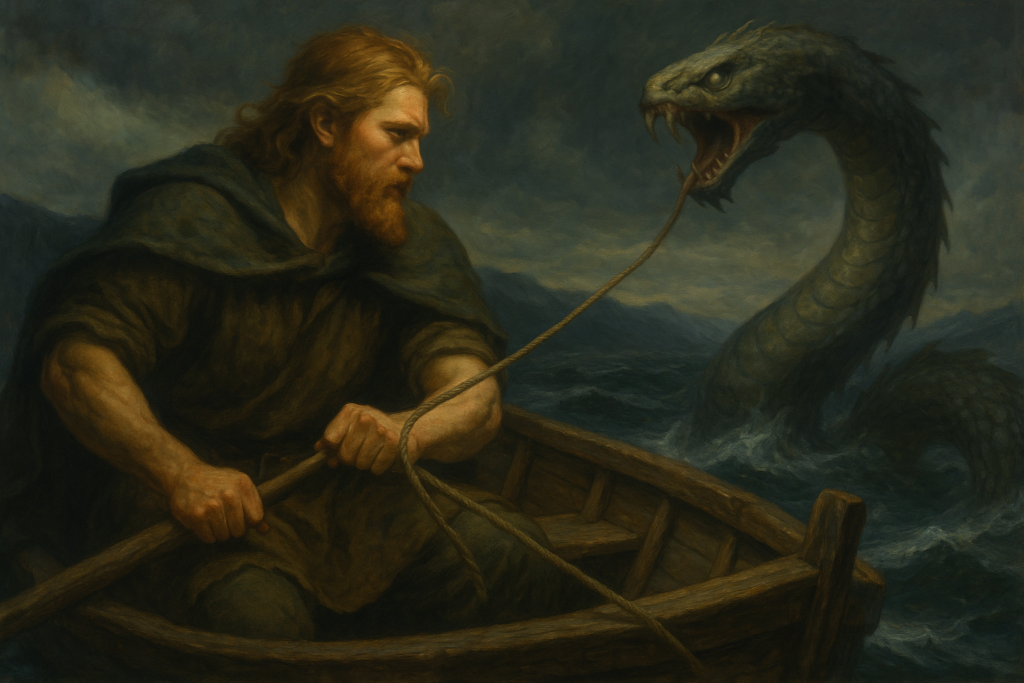
Norse deities serve as archetypal reflections of human behavior and morality. Odin, the Allfather, embodies the quest for knowledge at any cost, often sacrificing himself to gain wisdom. In contrast, Thor represents unwavering strength and protection, ideal traits that resonate with human struggles for safety and resilience. Freyja, the goddess of love and war, illustrates the dualities of passion and conflict, further emphasizing that attributes such as love and power are not mutually exclusive.
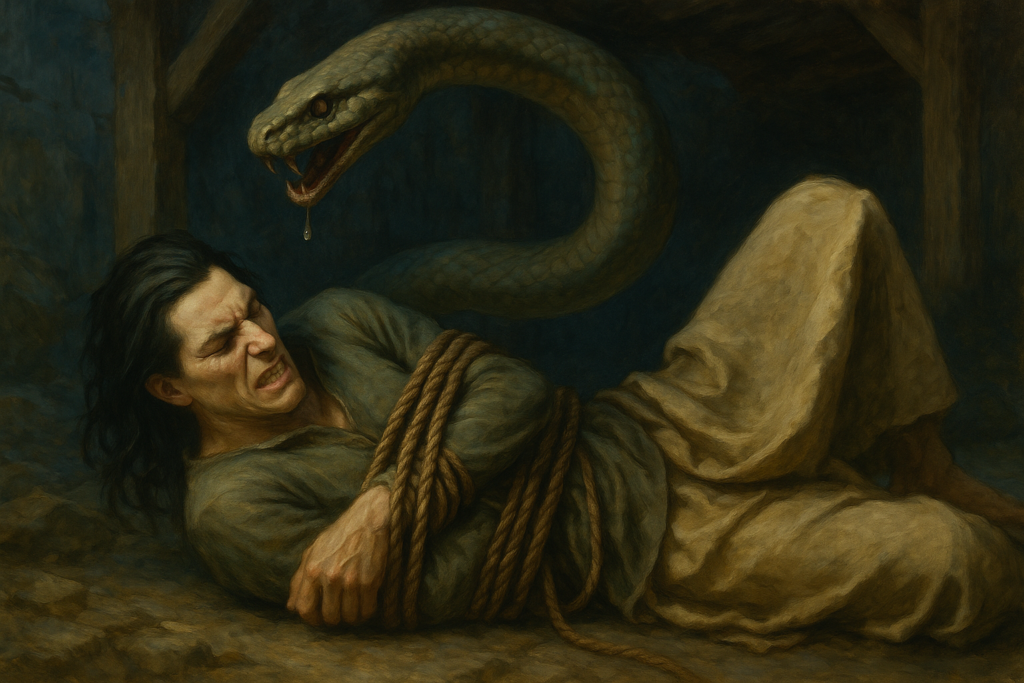
The narratives surrounding these gods are filled with complex relationships and moral dilemmas, urging readers to grapple with the consequences of their choices. For example, the tale of Loki—Odin’s blood brother—serves as a cautionary narrative about betrayal and the consequences of deception. Loki’s complex character blurs the lines between good and evil, revealing that even the most flawed individuals can impact the world in significant ways.
Fate and the Human Condition
One of the most significant themes in Norse mythology is the concept of fate, or “wyrd.” The Norns, three female beings who weave the threads of destiny, remind us that while individuals may strive for greatness, they are often at the mercy of forces beyond their control. This acceptance of fate can be both liberating and heavy—a duality the Norse people understood intimately.
The story of Ragnarok, the prophesied end of the world, reinforces this philosophy. The gods know they cannot escape their destined demise, yet they face it boldly. This fearless confrontation of inevitable death is a profound commentary on the human condition, urging us to live with purpose despite the transience of life. By reflecting on these narratives, readers are invited to contemplate their own relationship with fate, agency, and mortality.
The Role of Heroism and Sacrifice
Norse mythology glorifies the concepts of heroism and sacrifice, presenting both as necessary for the greater good. The hero’s journey is not solely defined by victory but often by the sacrifices made along the way. Take, for instance, the tale of Sigurd, a legendary hero who undertakes a quest filled with peril and sacrifice for love and glory. His story encapsulates the notion that true heroism often involves personal cost, a sentiment that resonates deeply with real-world experiences of duty, loyalty, and courage.
This valorization of sacrifice invites readers to reflect on their own lives’ heroic moments—those instances when they rise to a challenge or make difficult choices for the well-being of others. In a world increasingly plagued by individualism and self-interest, these tales reaffirm the enduring value of communal bonds and altruism.
The Legacy of Norse Mythology in Modern Culture
Norse mythology continues to exert a profound influence on contemporary culture. From literature and film to video games and music, these ancient stories have been reimagined to resonate with today’s audience. The popularity of franchises like Marvel Comics and the “God of War” video game series showcases a renewed interest in these timeless tales, albeit often through a modern lens.
This resurgence serves as an invitation to engage with Norse mythology on a deeper level, encouraging audiences to rediscover the underlying themes that have shaped human thought over centuries. The narratives remind us that even in a tumultuous world, stories have the power to connect us to our lineage, our struggles, and our aspirations.
Conclusion
As we delve into the depths of Norse mythology, it becomes clear that these tales transcend mere storytelling. They serve as a rich tapestry reflecting the complexities of existence, filled with lessons on morality, fate, heroism, and the human condition. The insights gleaned from these ancient narratives invite us to confront our own realities, fostering a sense of connection to both the past and each other.
Whether through the bold bravado of Thor, the wisdom of Odin, or the tragic fate of heroes like Sigurd, Norse mythology remains a vital source for understanding the intricacies of life. Embracing these stories unlocks pathways to personal reflection and collective resilience, reminding us that we are all part of a larger narrative, woven together through time. In this sense, Norse mythology is not just a relic of ancient history; it is a vibrant, living testament to the human experience, urging us to ponder, reflect, and act.