The Pantheon of Rome: Understanding the Major Deities
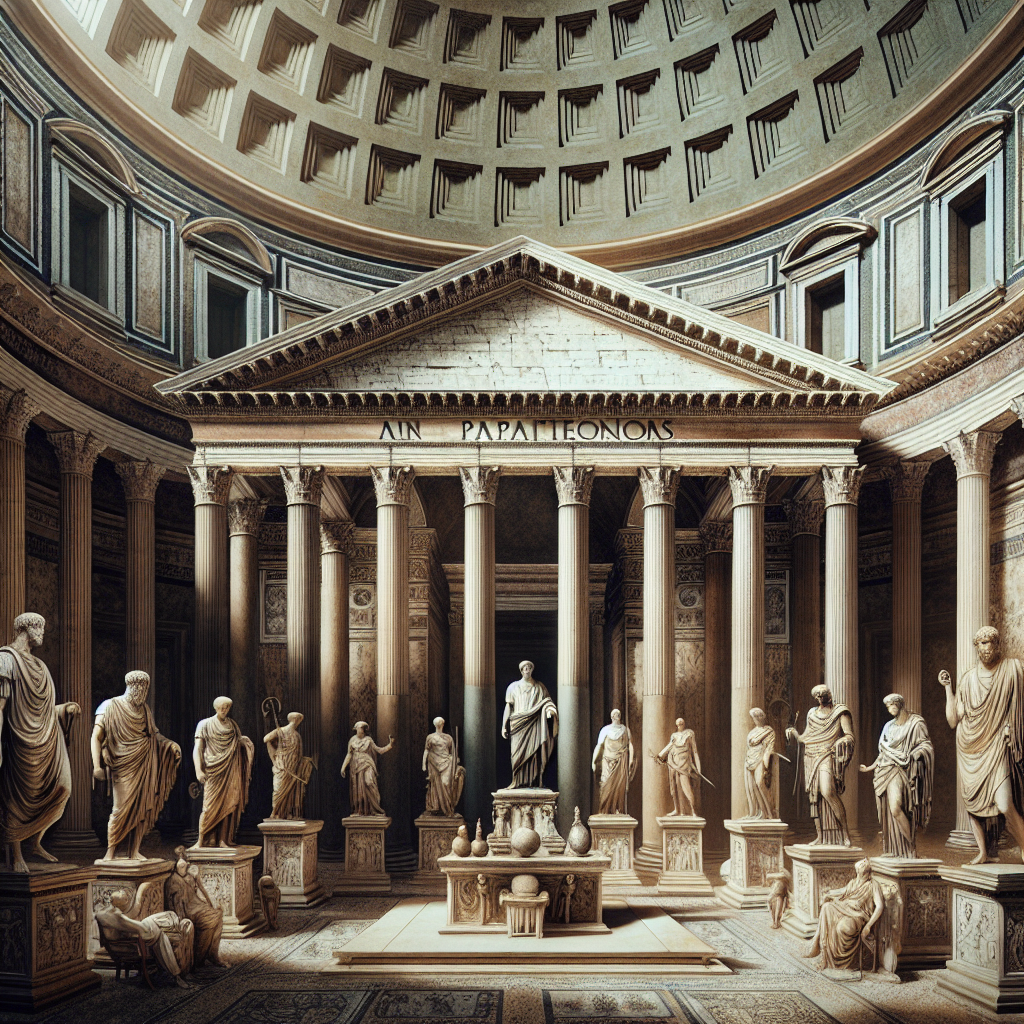
The Pantheon of Rome stands as a monument to the rich tapestry of beliefs, rituals, and divine personifications that defined ancient Roman religion. It is a testament not only to the architectural brilliance of the time but also to the intricate interweaving of myth and daily life. The major deities of the Roman Pantheon were reflection of Roman values, aspirations, and the complexities of their society.
Origins of Roman Superstition
To understand the deities of Rome, one must first consider the origins of Roman religion itself. Early Roman spirituality was marked by animistic beliefs where spirits inhabited all aspects of life, from natural phenomena to domestic chores. As the Roman Republic expanded, these indigenous beliefs blended with the pantheons of conquered peoples, especially the Greeks, whose gods resonated deeply within the Roman cultural psyche. The Romans adopted, rebranded, and often integrated these deities into their own worship system, resulting in a rich tapestry of gods and goddesses.
The Major Deities of the Pantheon
Jupiter
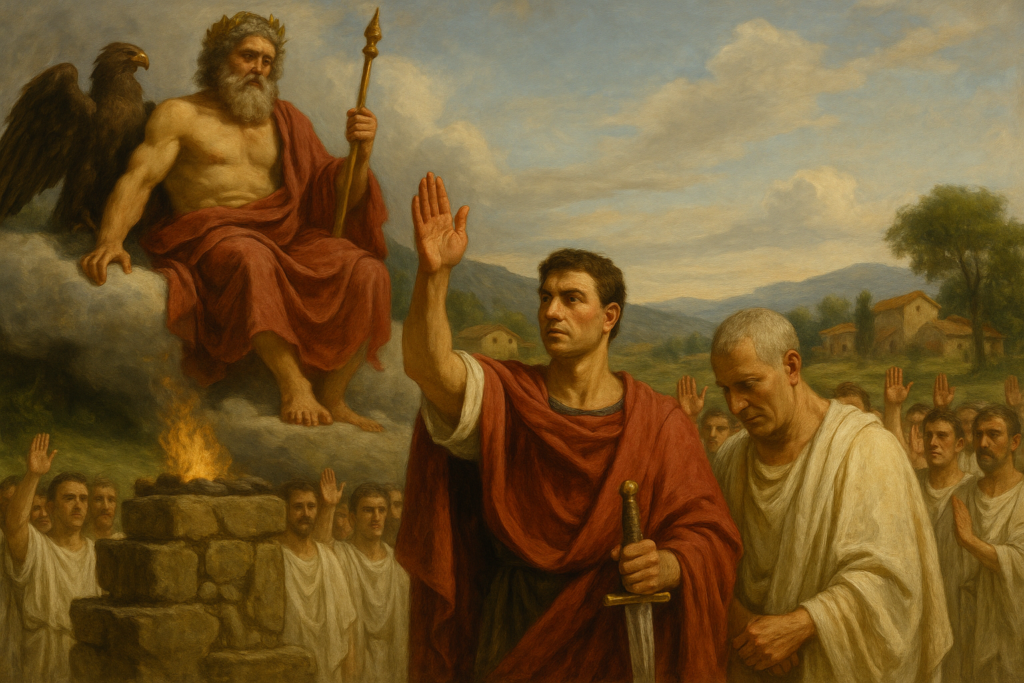
At the apex of the Roman Pantheon was Jupiter (Jove), the king of the gods and the god of the sky and thunder. His Greek counterpart, Zeus, exhibited similar traits, yet Jupiter took on additional aspects that resonated with Roman values of authority and justice. Often depicted holding lightning bolts or seated upon a grand throne, Jupiter was not merely a deity of power but also a protector of the Roman state. His cult was pivotal to political legitimization, and his temples, particularly the grand Temple of Jupiter Optimus Maximus on the Capitoline Hill, stood as symbols of Roman strength.
Juno
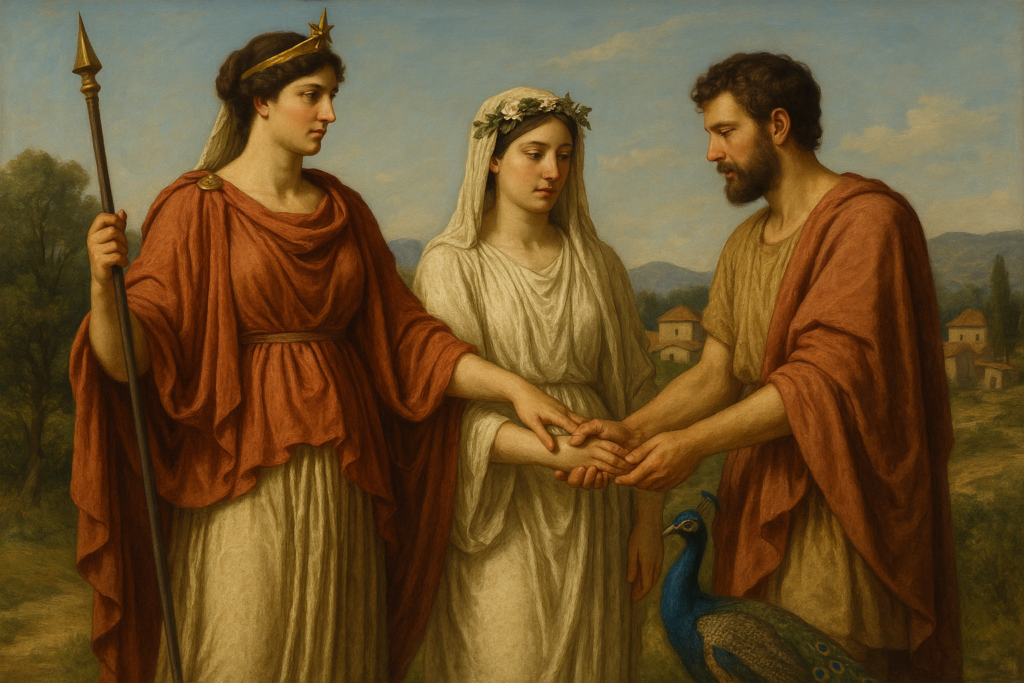
As the wife and sister of Jupiter, Juno was the goddess of marriage and childbirth, embodying the protective aspects of femininity. Known for her fierce jealousy, largely stemming from her husband’s infidelities, Juno was also a guardian of women. The Romans revered Juno Moneta, associated with finance and minting, which indicates her integral role in societal wellbeing. Rituals such as the Matronalia celebrated her, exemplifying the respect afforded to her among the populace.
Neptune
God of the sea, Neptune was known for his temperament and was often represented with a trident. In Roman culture, he symbolized the power of nature and the unpredictability of maritime life. As Rome expanded its territories, particularly through naval conquests, Neptune’s worship grew in importance. His festivals, such as Neptunalia, were a way for Romans to seek favor for safe sea voyages and bountiful fish harvests.
Mars
Unlike the often romanticized portrayal of love and beauty in modern culture, Mars, the Roman god of war, was a complex figure. As the son of Jupiter and Juno, Mars represented not only warfare but also agriculture in early Roman society, showcasing the intertwining of conquest and sustenance. His festivals like the Quinquatrus celebrated both martial prowess and protection for the city. Mars was considered the father of Romulus and Remus, the legendary founders of Rome, further cementing his integral role in the identity of the Roman state.
Venus
Venus was the goddess of love, beauty, desire, and fertility, holding a duality in her character that encompassed both physical attraction and divine allure. Often equated with the Greek goddess Aphrodite, Venus was a symbol of prosperity and harmony. The cult of Venus also embraced the concept of divine lineage, as she was considered the mother of Aeneas, the Trojan hero central to Virgil’s “Aeneid.” This connection linked modern Rome to its ancestral roots, making Venus an essential figure in both love and Roman mythological history.
Apollo
Although originally a Greek deity, Apollo was welcomed into the Roman Pantheon with open arms. Representing enlightenment, prophecy, music, and healing, Apollo became synonymous with reason and clarity. His worship in Rome was marked by both religious and cultural festivities. The Apollo Palatinus in Rome became a focal point for arts and culture, further solidifying his influence beyond mere worship into the everyday lives of Romans.
Mercury
Mercury, the messenger god, stood as the intermediary between the gods and humanity. His attributes included commerce, thievery, and eloquence, making him a patron of merchants and travelers. Often depicted with winged sandals, he embodied agility and communication. His duality allowed him to act within various spheres; his presence was essential in ensuring smooth transitions in both life’s passages and commerce, thus earning him a spot in the Pantheon revered by many.
Vesta
Vesta, the goddess of the hearth, was central to domestic life and spirituality in Rome. The Vestal Virgins, priestesses dedicated to her service, held extraordinary societal status, presiding over sacred fires and ensuring the city’s safety and continuity. The flame was symbolic, representing the eternal life and the importance of domestic and state stability. Vesta’s worship underscored the belief that a stable home was essential for a stable society.
Religiosity and State
The Roman Pantheon reflected a complex relationship between religion and politics. The gods were not only objects of devotion but also symbols of the state itself. The empire’s strength was thought to be contingent on the favor of these deities; thus, rituals, festivals, and offerings were central to both private life and state affairs. The Roman emperors often postured themselves as divine or semi-divine figures, further intertwining governance and spirituality.
Conclusion
The Pantheon of Rome is a vivid portrayal of the ancient world’s understanding of divine influence. Each deity represented specific aspects of life, embodying the values, fears, and dreams of the Roman people. While the major gods like Jupiter, Juno, and Mars dominated the religious landscape, a myriad of lesser-known deities also appealed to the diverse needs and aspirations of the populace. Understanding this intricate framework offers enlightening insights into the daily lives of Romans and the enduring legacy of their beliefs in Western culture. As visitors marvel at the grandeur of the Pantheon today, they engage not merely with architectural brilliance but with a lasting legacy of faith, tradition, and the human experience in relation to the divine.