Fate and Destiny: The Unraveling of Greek Tragedy
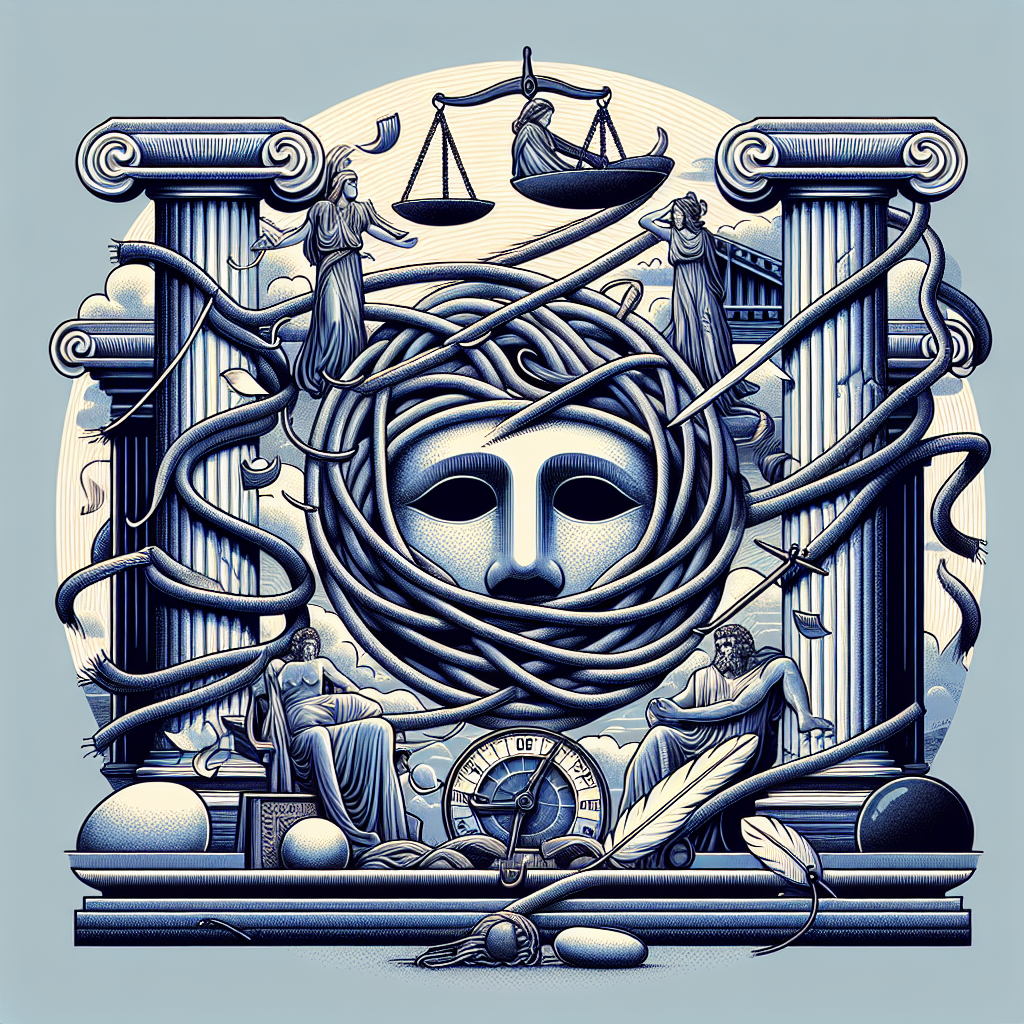
Greek tragedy is one of the most significant literary forms that emerged from ancient Greece, encapsulating profound philosophical themes, character dilemmas, and moral quandaries. At the heart of many tragic narratives lies the complex interplay between fate and destiny. This relationship not only shapes the characters’ journeys but also highlights the ancient Greek worldview, where human agency often clashes with the inexorable power of the gods and the inescapable nature of fate.
Understanding Fate and Destiny
In Greek tragedy, “fate” (often referred to as “moira”) is depicted as an inescapable force ordained by the gods or divine law, determining the outcomes of characters’ lives. It is immutable and beyond human control. In contrast, “destiny” can be seen as a more personalized interpretation of fate, representing the specific path that individuals take within that overarching cosmic order. While fate might set the stage for drama and tragedy, destiny illustrates the choices characters make—choosing their paths, albeit within the constraints of fate.
These concepts emerge vividly in the narratives of prominent tragedies, such as those penned by Aeschylus, Sophocles, and Euripides. The essence of Greek tragedy resides in the intense suffering or downfall of the protagonist, brought on by a critical flaw or “hamartia,” often intertwined with fate.
The Role of the Gods
Greek tragedies often present a pantheon of gods who influence human affairs without being bound by the same constraints as mortals. The gods may set forth prophecies and decrees, creating a sense of foreboding. For instance, in Sophocles’ “Oedipus Rex,” a prophecy foretells Oedipus’s tragic fate—to kill his father and marry his mother. Here, we see how destiny spirals out of the protagonist’s control, despite his efforts to avoid such outcomes. His actions, although stemming from free will, unknowingly bring his prophesied demise closer, illustrating the irony that becomes a hallmark of Greek tragedy.
The omnipresence of divine influence raises questions regarding moral responsibility. When human agency collides with the predetermined order of existence, individuals grapple with their inability to escape their fates. In this way, the tragedies reveal the limitations of human wisdom against the backdrop of universal determinism. The notion becomes clearer in Aeschylus’ “Oresteia”, where the curse of the House of Atreus exemplifies generational fate—a cycle of revenge that perpetuates suffering.
The Tragic Hero
Central to the discourse surrounding fate and destiny is the concept of the tragic hero. Greek tragedies often feature protagonists who are noble yet flawed, embodying high ideals while simultaneously succumbing to their tragic shortcomings. The tragic hero’s realization of their predicament and the inevitable motion toward their fated downfall create a poignant exploration of human experience.
Take, for instance, the character of Antigone in Sophocles’ “Antigone.” Here, she represents familial loyalty and moral conviction, determined to give her brother a proper burial despite the edict forbidding it. Antigone’s choices represent her exercise of free will, yet they lead her toward a predetermined tragic end. Her conviction and adherence to what she believes to be just cast her firmly into the sphere of tragedy, revealing the tragic conflict between individual agency and the weight of fate.
The Irony of Free Will
One of the striking features of Greek tragedies is the irony that permeates the protagonists’ journeys. Despite assertive claims of free will, characters often find that their choices merely lead them closer to their fated outcomes. This irony intensifies the tragic tension, as audiences watch protagonists wrestle with dilemmas that ultimately feel futile.
In Euripides’ “Hippolytus,” Phaedra’s unrequited love leads to her tragic downfall—a choice she makes within the confines of a curse placed upon her by the gods. Here, free will is an illusion, as her emotional turmoil and desperation unfold within the parameters drawn by divine machinations. The audience is left pondering the nature of choice: when does free will become merely the struggle against a greater force?
Catharsis and the Human Condition
Greek tragedies offer a space for catharsis, allowing audiences to experience the depth of human suffering and the stark realities of fate. Aristotle emphasized the purpose of tragedy as a means of purging emotions of pity and fear through the audience’s connection with the characters’ plights. The unraveling of fate and destiny creates a profound emotional engagement; spectators feel compelled to confront the fragility of existence and the failure to control one’s own life.
The tragic outcomes prompt reflection not only on the nature of fate but also on the human condition itself. As audiences grapple with the characters’ trials, they engage in a form of existential inquiry: What does it mean to be human in a world where fate reigns supreme? Are we merely puppets dangling from the strings of a higher power, or do we possess the agency to shape our destinies, even when faced with insurmountable odds?
Conclusion
The unraveling of fate and destiny in Greek tragedy serves as a poignant exploration of the human experience. The trials and tribulations of tragic heroes speak to our deepest fears, aspirations, and struggles against the constraints of existence. While characters strive for agency in a predetermined world, the inevitability of fate presents an unsettling tension that transcends time and culture. Engaging with these age-old narratives offers invaluable insight into humanity’s enduring quest to understand its place within the cosmic order.
The fascination with fate and destiny continues to resonate in contemporary literature and culture, echoing the essential questions that Greek tragedies posed millennia ago. Whether viewed through the lens of philosophy, psychology, or literary critique, the exploration of fate and destiny remains a powerful testament to human resilience, agency, and the intricate tapestry of life’s trials.
Recommended reading
These are affiliate links. If you buy through them, we may earn a commission at no extra cost to you.
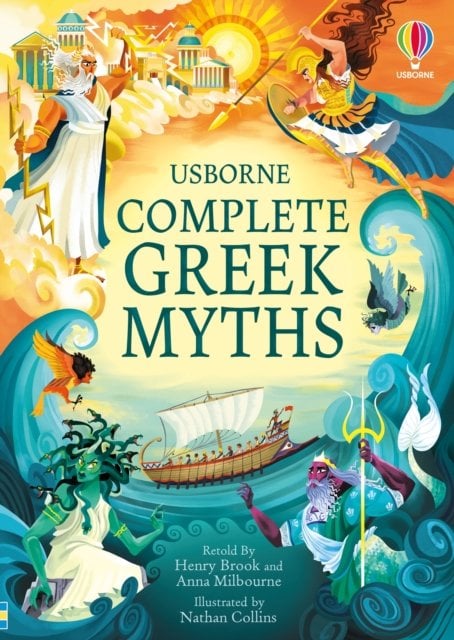
Complete Greek Myths: An Illustrated Book of Greek Myths
Featuring detailed retellings, beautiful character illustrations, and cultural background, this comprehensive volume brings the best-known and obscure Greek myths to life for readers of all ages. Complete with maps, a glossary, and a QR code for pronunciation guides and extra resources, it is an essential addition to any family bookshelf.
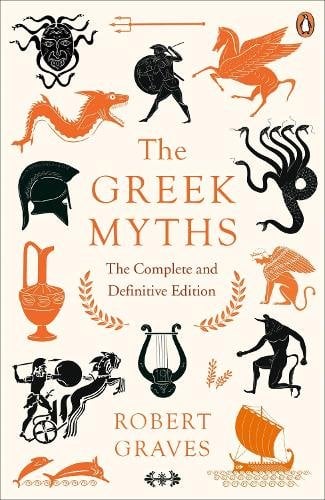
The Greek Myths: The Complete and Definitive Edition
Robert Graves’s definitive edition weaves the classic Greek myths, from the Labours of Hercules to the Trojan War, into one sweeping, authoritative narrative. Perfect for both first-time readers and classicists, this comprehensive volume combines engaging storytelling with detailed scholarly commentary and a complete index of names.
The Odyssey
Homer’s timeless epic The Odyssey follows the hero Odysseus on a perilous decade-long journey home from Troy, facing mythical monsters and divine wrath. Meanwhile, his wife Penelope and son Telemachus defend their kingdom against ruthless suitors in this classic tale of loyalty and endurance.