The Rituals of the Saturnalia and Their Mythical Roots
The Saturnalia was one of the most famous festivals of ancient Rome, celebrated in December in honor of Saturn, the god of agriculture, wealth, and time. Although relatively brief, this festival was characterized by an atmosphere of joy, merriment, and social upheaval, turning societal norms upside down. The origins and rituals of Saturnalia are deeply embedded in Roman mythology and culture, reflecting a confluence of agricultural rites and the enduring search for balance in a chaotic world.
Origins of Saturnalia
The origins of Saturnalia can be traced back to ancient agricultural practices rooted in the shrouded mists of Roman mythology. Saturn, known as “Cronus” in Greek mythology, was associated with sowing and harvest. The festival was believed to have originally been a rural agrarian rite. Early Romans honored Saturn and sought his blessing for the fertility of their crops. As the festival evolved, it became an opportunity to celebrate the harvest and the bounty of the earth, transforming from agricultural rites to a broader tree of community and social interactions.
Given the temporal nature of Saturn, the deity was also associated with time. Historically, Saturnalia marked the end of the agricultural year, and in tandem with this, the rebirth of the sun during the winter solstice became deeply intertwined with the festival.
Rituals and Celebrations
Saturnalia was marked by specific rituals that highlighted the contrasts between social classes and challenged the rigid Roman social structure. The festival typically spanned a week, beginning on December 17 and concluding on December 23, and was filled with both public and private celebrations.
Role Reversal
One of the most distinctive features of Saturnalia was the practice of role reversal. Social hierarchies were temporarily dismantled, and slaves were given permission to partake in the festivities as equals. They wore witty caps called “pileus,” symbolizing their liberation during this time. The expectation was that masters would serve their slaves, blurring the boundaries of power in this temporary period of liberty, which fostered communal spirit and camaraderie.
Feasting and Merrymaking
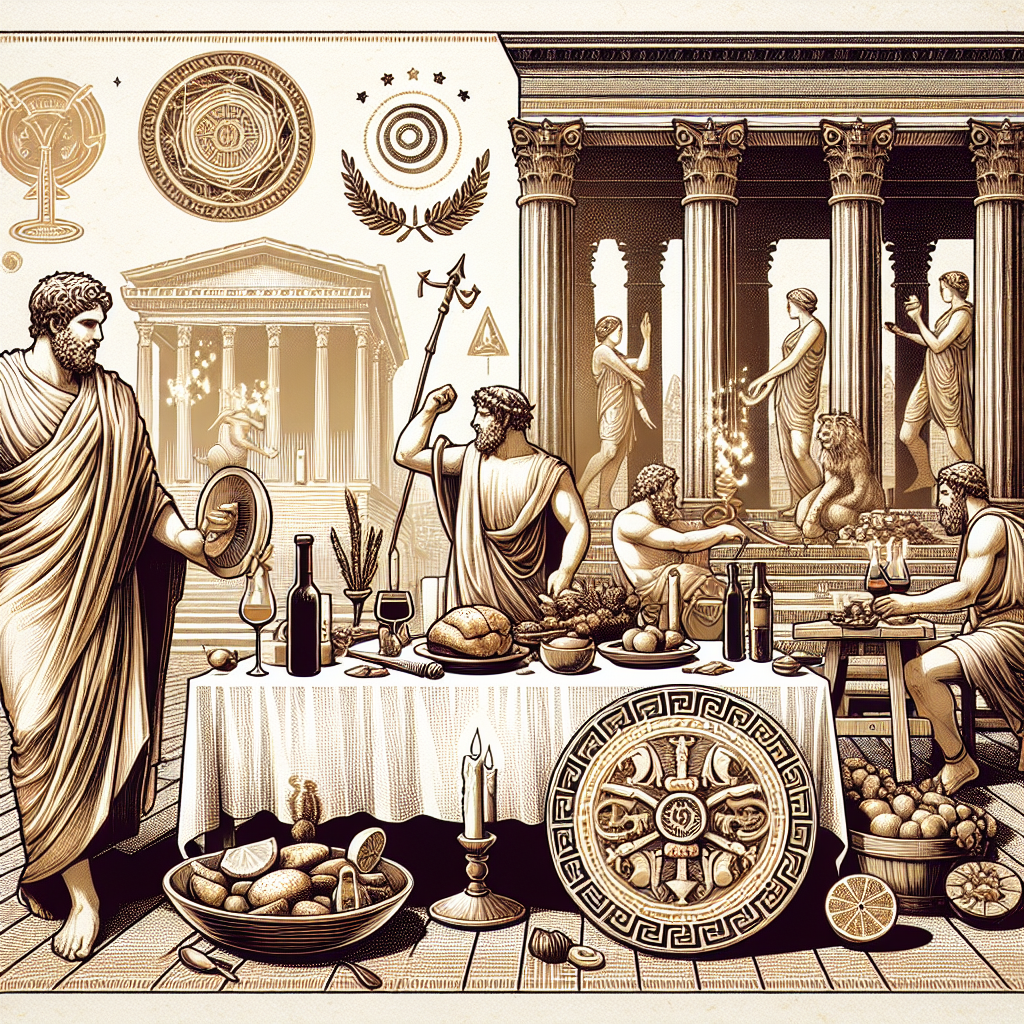
Feasting was central to the Saturnalia celebrations. Families and friends gathered to enjoy abundant meals, and the scents of roasting meats, spiced wines, and sumptuous desserts filled the air. Typical Saturnalian dishes included rich stews, pastries, and nuts. The ringing of bells marked the beginning of merrymaking, where participants engaged in games, singing, and dancing.
Gift-giving was another integral element of the festival, with people exchanging small tokens or symbolic gifts such as candles, figurines, or pottery. This act was perceived as a way to express goodwill and appreciation, bridging relationships and fostering community bonds.
Religious Observances
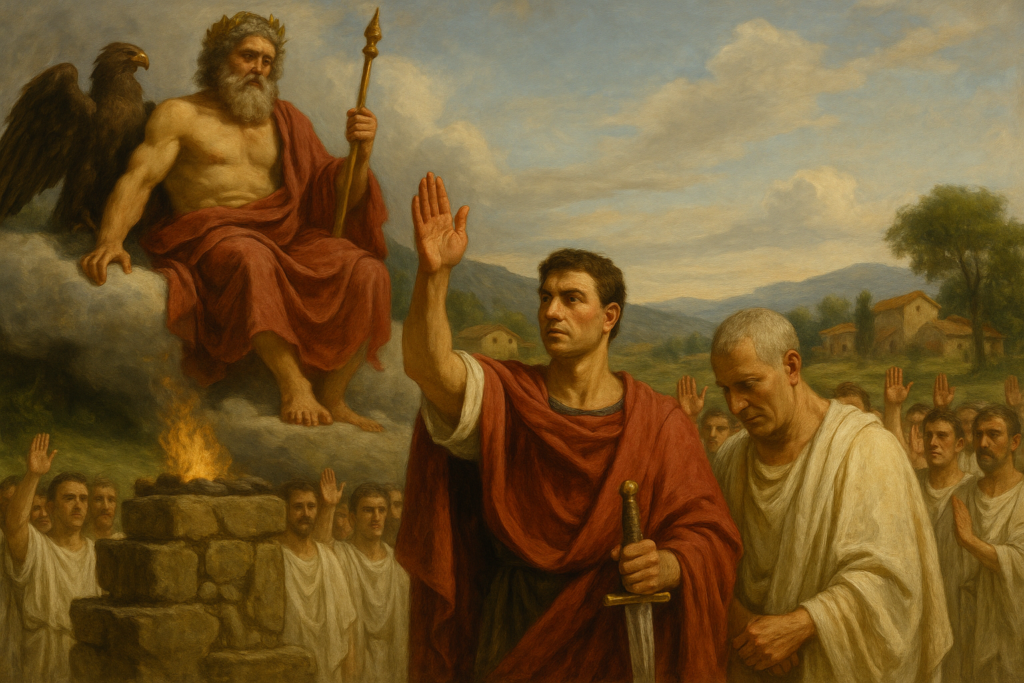
Despite the licentiousness of the public celebrations, Saturnalia maintained significant religious undertones. Ritualistic elements included making sacrifices at temples and altars dedicated to Saturn. Priests wearing special garments presided over these ceremonies, often conducting rituals accompanied by chants and prayers intended to appease Saturn and seek his blessings for the coming year.
The culmination of Saturnalia was marked by the “King of Saturnalia,” a figure often chosen randomly among celebrants, who presided over the festivities. This role was mostly humorous and involved overseeing games and merrymaking, further embodying the spirit of role reversal and playful chaos.
Legendary Roots
To comprehend fully the festival’s significance, one must look at the mythical roots associated with Saturn. In myth, Saturn was feared for his tumultuous reign. He was often depicted as a stern god who swallowed his own children to prevent them from dethroning him—a gruesome tale reflecting the cyclical nature of time and power. This narrative of fear and control, however, evolved over centuries, giving way to the more benevolent, agricultural aspect celebrated during Saturnalia.
One tale from Roman mythology narrates how Saturn, fearing his tyrannical reign would go unchallenged, hid himself in exile, where he was found at the beginning of the Golden Age by the people who sought his wisdom. This narrative reinforced the notion of Saturn as a god of abundance—one whose return after a time of chaos heralded joy, harvest, and a renewed sense of social structure.
In this context, Saturnalia can be understood as a festival embodying the modern dualities of chaos and order, a time when the societal order was temporarily disrupted and refocused.
Saturnalia and Its Evolution
As ancient Rome progressed, so did the observance of Saturnalia. The transition from an agricultural celebration to a more Dionysian festival reflected broader cultural shifts within Roman attitudes toward celebration and the human experience. The themes of role reversal and conviviality echoed through later traditions, influencing how other cultures viewed festivities.
In contemporary times, the customs of Saturnalia influenced various winter solstice celebrations, among them the modern Christmas traditions of feasting, gift-giving, and festive camaraderie, showcasing how ancient rituals can echo through the ages.
Legacy of the Saturnalia
The essence of Saturnalia lies not only in its vibrant rituals but also in its philosophical underpinnings. The festival’s capacity to temporarily dissolve societal constraints and celebrate community is universally relevant, reflecting the inherent human desires for freedom, togetherness, and renewal.
As modern societies celebrate their own winter festivals, the mythical legacy of Saturnalia remains vividly alive, reminding us that the intertwining of past and present continues to shape contemporary cultural practices. By cherishing and understanding these rituals from a mythical standpoint, one can appreciate the enduring quest for balance amid the challenges of life—a legacy that began in the fields of ancient Rome and continues resonating through time.