Nature and Nurture: Myths Surrounding the Creation of Humans

Nature and Nurture: Myths Surrounding the Creation of Humans
The debate between nature and nurture has long captivated psychologists, geneticists, philosophers, and the general public alike. This dichotomy seeks to understand the influences that shape human behavior, personality, and intelligence. On one side is “nature,” referring to our genetic inheritance and biological makeup. On the other is “nurture,” encompassing the environments and experiences that mold us throughout our lives. This article will explore the intricate relationship between nature and nurture, dissect popular myths surrounding the topic, and highlight contemporary perspectives that challenge simplistic interpretations.
The Genesis of Nature vs. Nurture
The nature vs. nurture debate dates back centuries, with early discussions appearing in the works of philosophers like Aristotle and John Locke. Locke famously suggested that the mind at birth is a “tabula rasa” or blank slate, emphasizing the role of experience in shaping human character. Conversely, figures like Descartes posited that certain traits and faculties are innate, presenting the idea that our mental processes are primarily hard-wired.
Historically, 19th-century scientists popularized the genetic determinism narrative—most notably through the work of Gregor Mendel, whose discoveries about inheritance laid foundational groundwork for genetics. Simultaneously, the burgeoning field of psychology began to illuminate the importance of environmental factors in shaping behavior, leading to the emergence of behaviorism in the early 20th century. The battle lines were drawn, and the myths surrounding nature and nurture began to proliferate.
Common Myths Surrounding the Debate
-
Myth: Nature Determines Everything
One pervasive myth is that our genes wholly dictate who we are. While genetics undeniably play a significant role, determining everything from physical characteristics to susceptibility to certain diseases, they interact dynamically with environmental influences. Research shows that genes can be expressed differently based on experience and context, complicating the notion of genetic determinism. For instance, epigenetics—the study of how behavior and environment can cause changes that affect the way genes work—demonstrates that external factors can “turn on” or “turn off” certain genes. -
Myth: Nurture is Irrelevant
On the flip side, some argue that environment holds all the power in shaping individuals, dismissing genetic influences. This extreme perspective overlooks how biological factors interact with experience. For instance, children raised in nurturing environments may fare better emotionally and cognitively, but those benefits may be mediated by innate traits such as temperament. Understanding the interplay between these factors is essential for grasping the complexities of human development. -
Myth: Nature vs. Nurture is an Either/Or Proposition
Perhaps the most damaging myth is the binary conception of nature versus nurture as mutually exclusive categories. Current scientific consensus suggests that the relationship is far more complex—likely a continuous feedback loop where both components influence one another in myriad ways. For example, a child’s genetic predisposition toward creativity may lead them to seek enriching experiences, which, in turn, enhance their creative abilities. Striking a balance between understanding these influences enables a more nuanced view of human behavior. -
Myth: Identical Twins Have Identical Experiences
The case of identical twins is often cited as a compelling argument for both sides of the debate. While their strikingly similar genetic material can illuminate the role of nature, it is crucial to acknowledge that even identical twins raised in the same environment can exhibit different traits and preferences. This disparity underlines that while genetics are significant, the effects of individual experiences cannot be understated. -
Myth: Intelligence is Solely a Product of Genetics
Intelligence research has frequently fed the fire of the nature versus nurture debate, with early assertions claiming that IQ is largely inherited. However, recent studies indicate that environmental factors like education, socio-economic status, and even nutrition have profound roles in cognitive development. Moreover, the plasticity of the brain throughout different life stages demonstrates that intelligence can be enhanced through learning and experience, further debunking the myth of immutable cognitive traits.
Contemporary Perspectives
In recognizing the limitations of the nature vs. nurture dichotomy, scholars in genetics, psychology, and sociology are increasingly advocating for an integrated perspective, where the influences of both components are considered co-factors rather than adversaries. This paradigm shift is apparent in fields such as behavioral genetics, which examines how genetic predispositions interact with environmental stimuli to shape behavior.
The concept of the ” gene-environment interplay” elaborates how certain genetic dispositions can influence the kinds of environments a person seeks or creates. A child born with a predisposition toward sociability might gravitate toward social situations, which then reinforce and deepen those innate traits.
Furthermore, modern developmental psychology encompasses theories that highlight the significant role of feedback loops. These loops illustrate how an individual’s behavior—as shaped by environmental factors—can, in turn, influence their genetic expression and subsequent experiences.
Conclusion
The nature vs. nurture debate, rife with myths and misconceptions, invites ongoing exploration. While it is tempting to categorize aspects of human development as solely attributed to either genetics or environmental influences, contemporary research highlights the intricate dance between these elements. Understanding this complexity not only enriches our comprehension of human behavior but also informs practices in education, mental health, and social policy.
Ultimately, it is a holistic view that recognizes the interconnectedness of genetics and environment that will yield the most profound insights into the creation of humans. By dismantling myths and embracing the nuances of this dialogue, society can foster environments that support healthy human development—recognizing our unique biological underpinnings while also nurturing the potential within each individual.
Recommended reading
These are affiliate links. If you buy through them, we may earn a commission at no extra cost to you.
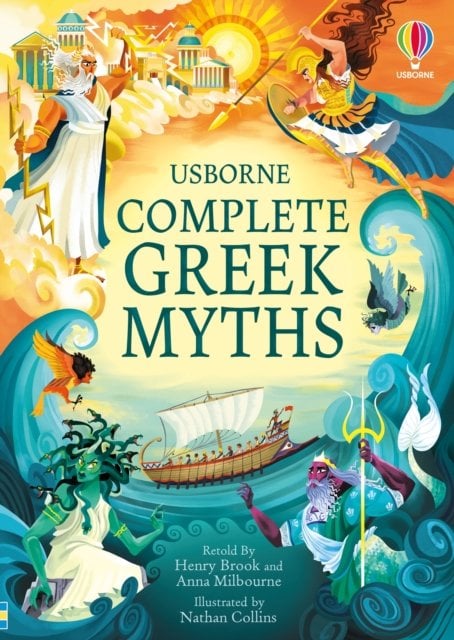
Complete Greek Myths: An Illustrated Book of Greek Myths
Featuring detailed retellings, beautiful character illustrations, and cultural background, this comprehensive volume brings the best-known and obscure Greek myths to life for readers of all ages. Complete with maps, a glossary, and a QR code for pronunciation guides and extra resources, it is an essential addition to any family bookshelf.
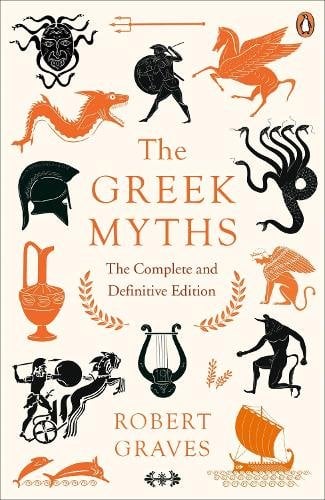
The Greek Myths: The Complete and Definitive Edition
Robert Graves’s definitive edition weaves the classic Greek myths, from the Labours of Hercules to the Trojan War, into one sweeping, authoritative narrative. Perfect for both first-time readers and classicists, this comprehensive volume combines engaging storytelling with detailed scholarly commentary and a complete index of names.

The Odyssey
Homer’s timeless epic The Odyssey follows the hero Odysseus on a perilous decade-long journey home from Troy, facing mythical monsters and divine wrath. Meanwhile, his wife Penelope and son Telemachus defend their kingdom against ruthless suitors in this classic tale of loyalty and endurance.