Epic Tales: The Influence of Roman Mythology on Poetry
Epic Tales: The Influence of Roman Mythology on Poetry
Roman mythology, rooted in a complex tapestry of gods, goddesses, and heroic narratives, has profoundly influenced literary forms throughout history, most notably poetry. The tales of Jupiter, Mars, Venus, and other deities have served as both inspiration and thematic backdrop for poets from antiquity to the modern era. This article explores the profound impact of Roman mythology on poetry, highlighting significant poets, their works, and the enduring legacy of these ancient stories.
Foundations of Roman Mythology
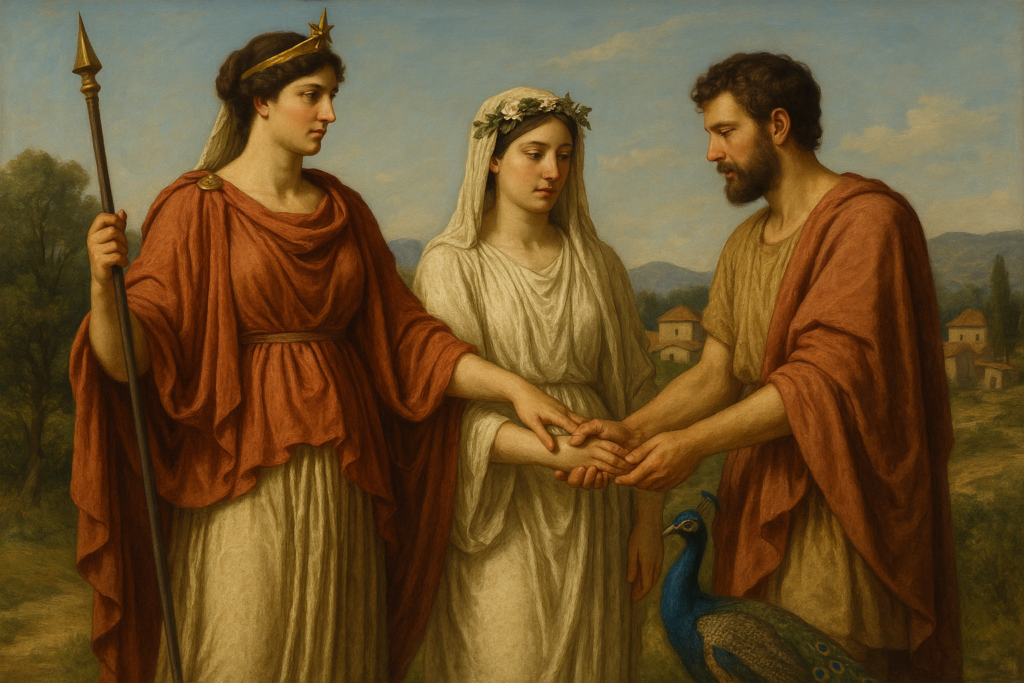
To understand the influence of Roman mythology on poetry, it is essential first to grasp its foundational elements. Unlike their Greek counterparts, who often personified abstract concepts through complex deities and narratives, the Romans adapted and incorporated Greek mythology, imbuing it with their values and cultural significance. Themes of duty (pietas), virtue (virtus), and the sanctity of the family permeate Roman myths, reflected prominently through their gods and heroes.
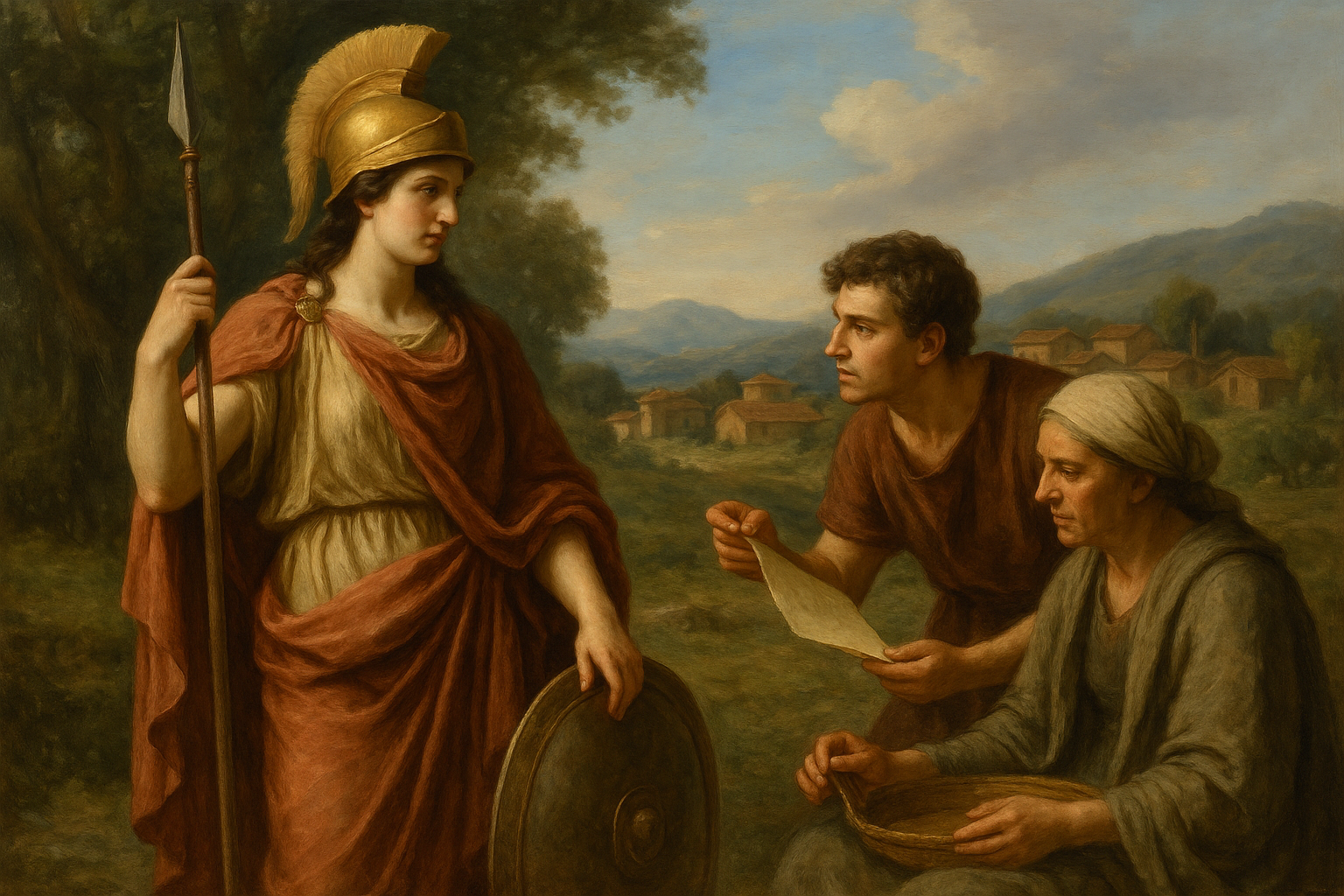
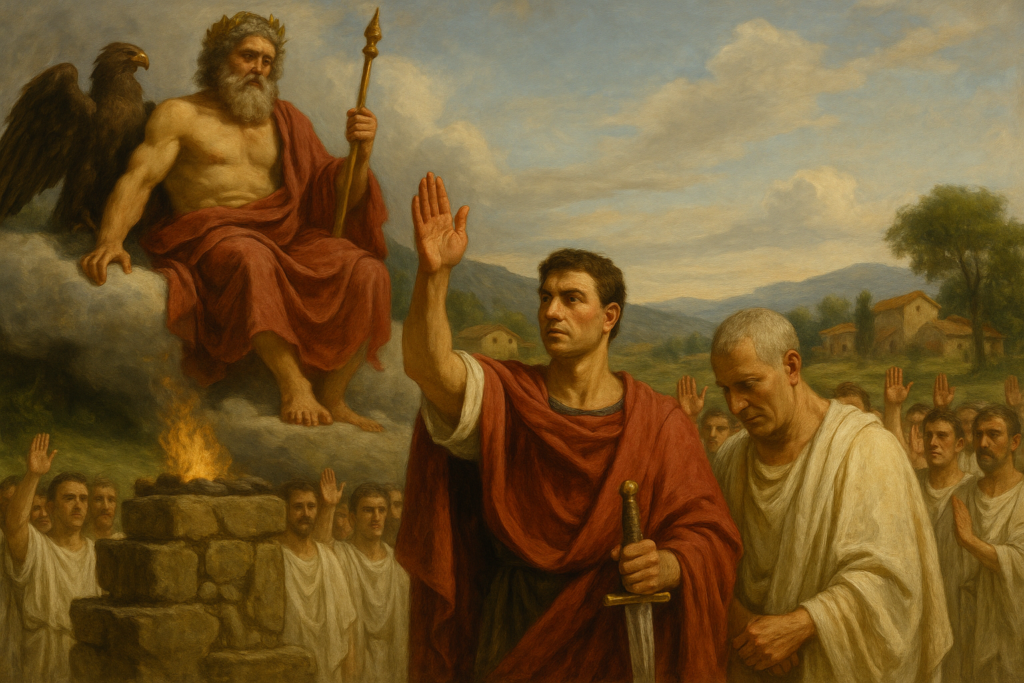
The Roman pantheon, with deities such as Jupiter (king of the gods), Mars (god of war), and Venus (goddess of love), provided fertile ground for poetic exploration. Myths surrounding these figures often conveyed moral lessons or cultural ideals, serving as a basis for storytelling that would resonate with audiences across generations.
Virgil and the Aeneid
One of the most significant poets influenced by Roman mythology is Publius Vergilius Maro, known as Virgil. His epic poem, the Aeneid, stands as a landmark in literary history and is directly rooted in Roman myth. Commissioned to celebrate the grandeur of Rome, the Aeneid recounts the journey of Aeneas, a Trojan hero and progenitor of the Romans, as he flees his fallen city and embarks on a quest to found a new homeland.
Virgil’s narrative intricately weaves together themes of fate, sacrifice, and the divine influence observed in Roman mythology. The relationship between Aeneas and the gods showcases the interplay of human agency and divine will, a recurrent motif in Roman storytelling. Through Aeneas’s struggles, Virgil not only reinforces the virtues revered by Roman society but also immortalizes the myth of Roman origins—a lineage divinely sanctioned and destined for greatness.
Virgil’s Aeneid, written between 29 and 19 BCE, became a template for future poets. The poem’s structure, epic scope, and thematic depth influenced countless writers, including Dante, Milton, and many others, bridging the realms of myth and literature. The resonances of Roman mythology in Virgil’s work echo through the ages, establishing a literary legacy grounded in ancient beliefs and values.
Ovid and Metamorphoses
While Virgil’s work solidified the Roman epic, another poet, Publius Ovidius Naso, known simply as Ovid, took a different approach to Roman myths in his magnum opus, Metamorphoses. Composed around 8 CE, the Metamorphoses is a narrative poem that recounts various mythological tales centered around transformation—an act frequently sanctioned or initiated by the gods.
Ovid’s playful and innovative retelling of myths, including the stories of Narcissus, Orpheus, and Pygmalion, captivated audiences with their emotional depth and imaginative interpretations. His work strayed from the solemnity of the epic tradition, embracing a more fluid, lyrical style that emphasized personal experience and emotion.
The Metamorphoses reflects a broader cultural trend wherein mythological stories were reinterpreted to explore human experiences and desires. Ovid’s exploration of love, loss, and transformation resonates with readers, making ancient myths accessible and relatable. Through this lens, Ovid profoundly influenced poets from the Renaissance to contemporary literature, as they drew upon his themes of metamorphosis to reinterpret their narratives.
The Renaissance Resurgence
The Renaissance sparked a revival of interest in classical antiquity, including Roman mythology, which had a transformative impact on poetry. Poets such as John Milton, whose Paradise Lost draws upon subtext from Roman myth, utilized mythological references to enrich their narratives. Milton’s invocation of figures like Urania and themes of divine intervention illustrates the flexibility of Roman mythology in exploring complex theological and moral questions.
Similarly, the works of Italian poet Ludovico Ariosto, with his Orlando Furioso, integrated Roman myth into the fabric of chivalric romance. His narrative blends elements of both Roman lore and medieval chivalric values, creating a unique fusion that reflects the varied influences on Renaissance thought.
Contemporary Resonance
The influence of Roman mythology extends into contemporary poetry as well. Modern poets often reference mythological themes, employing them as metaphors for contemporary struggles. Allen Ginsberg’s work, for instance, invokes mythic elements to reflect on the human condition, while the poetry of contemporary writers such as Anne Carson incorporates themes of transformation and divine interaction, echoing Ovid’s stylistic playfulness.
Moreover, Roman mythology has found a home in popular culture, influencing various artistic forms—from literature to cinema and beyond. The retelling of myths through modern lenses allows new generations to engage with these ancient narratives, reflecting their timeless relevance and adaptability.
Conclusion
The influence of Roman mythology on poetry is both profound and enduring. From Virgil’s epic tales of heroism and divine fate to Ovid’s playful transformations, the narratives woven from Roman myths have shaped poetic traditions through the ages. This rich legacy continues to inspire poets today, as they draw from the wellspring of mythology to explore timeless themes of love, duty, and transformation.
By examining the intricate relationship between Roman mythology and poetry, one can appreciate not only the cultural significance of these myths but also their universal capacity to convey the complexities of human experience. As we continue to engage with these stories, whether through classical texts or contemporary works, the epic tales of ancient Rome remind us of the power of myth to transcend time and resonate with the human spirit.