The Relationship Between Myth and Art in Ancient Rome
The Relationship Between Myth and Art in Ancient Rome
The intersection of myth and art in ancient Rome is a captivating subject that reveals how a civilization intertwined its narratives, beliefs, and aesthetics. Rome, with its vast empire and cultural diversity, utilized art to reflect, adapt, and sometimes amplify its mythological narratives. This relationship not only illuminated the beliefs and values of the society but also created a unique lens through which we can observe their worldview.
The Foundation of Roman Mythology
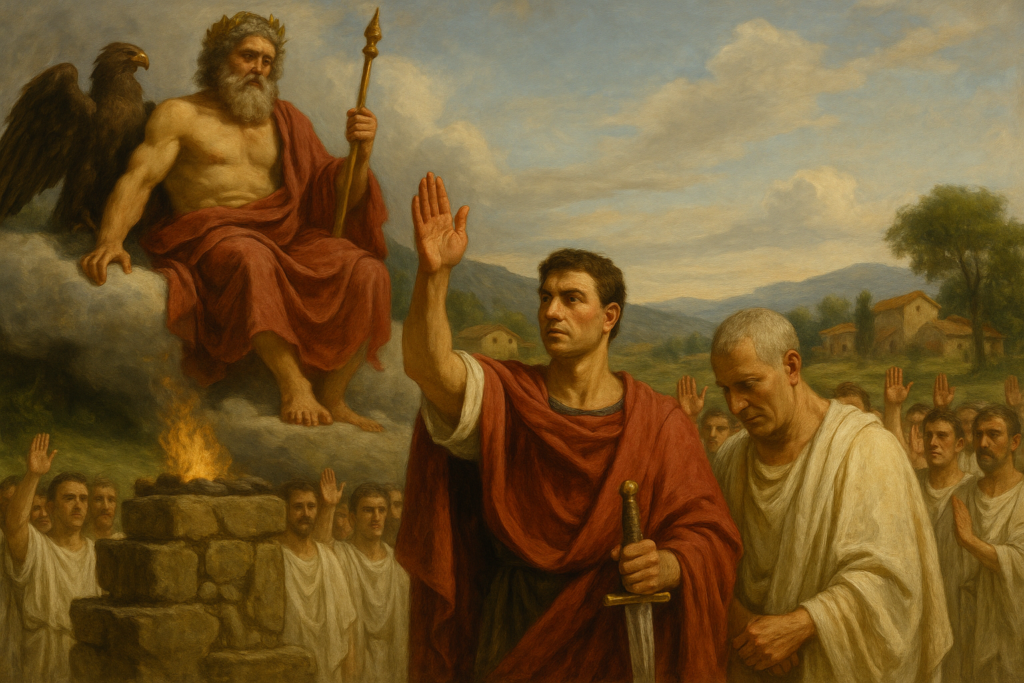
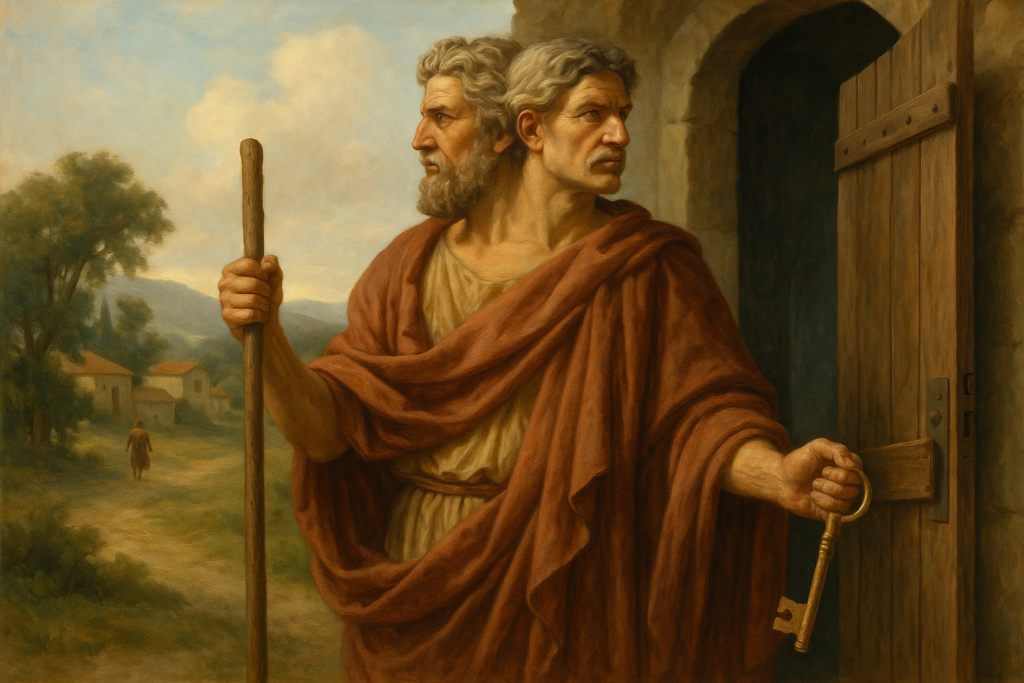
At the heart of Roman culture was a rich tapestry of myths that contributed to a shared cultural identity. These myths were not merely stories but served as vessels for moral lessons, historical narratives, and explanations of the natural world. The foundational myths of Rome, such as those of Romulus and Remus and the Aeneid of Virgil, played pivotal roles in shaping the identity of the Roman state. The legends of gods, such as Jupiter, Mars, and Venus, were intricately woven into the fabric of Roman daily life and were significant to the rituals and values that governed Roman society.
Mythological Themes in Roman Art
Roman art encompassed a vast array of artistic expressions, including sculpture, painting, and mosaic. Mythological themes dominated these artistic forms, often serving multiple purposes — educational, decorative, and political.
-
Sculptural Representation:
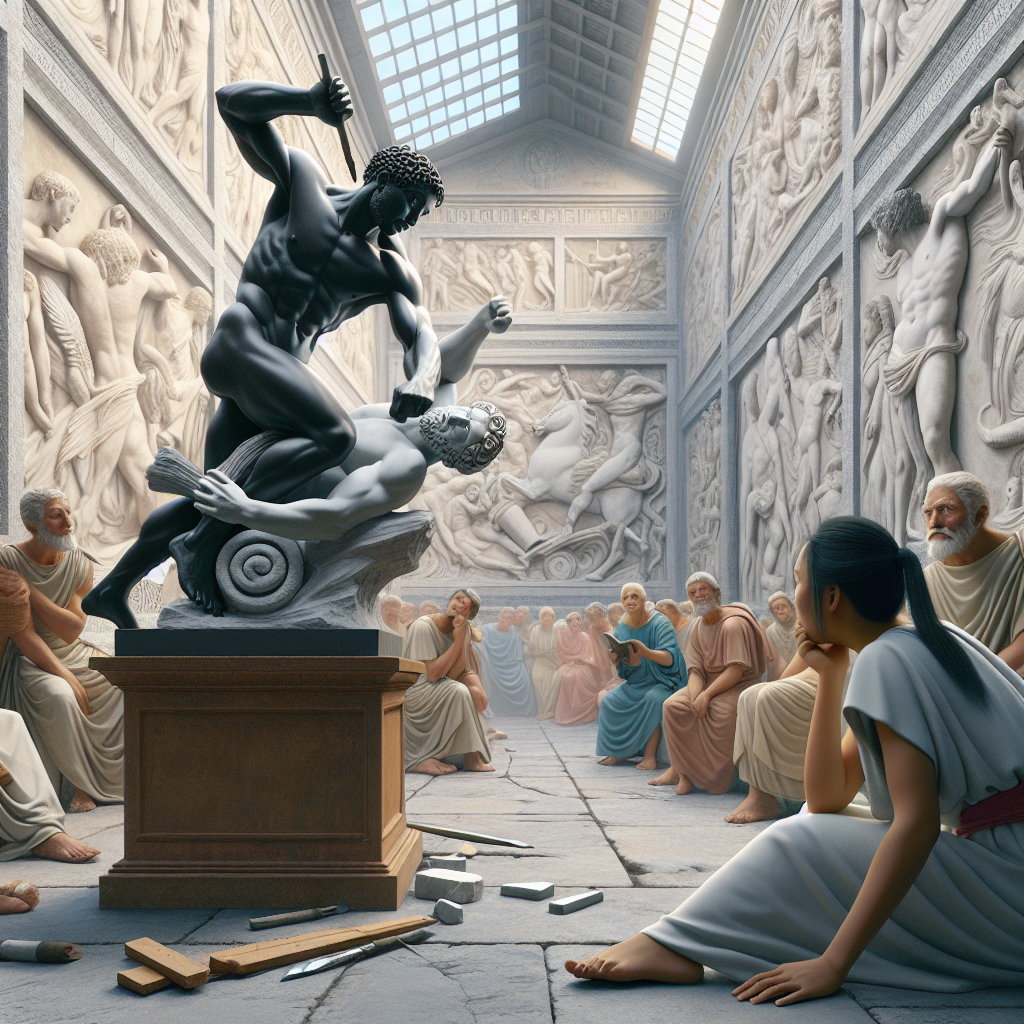
Sculptors like those of the Imperial era created large-scale statues and reliefs that depicted mythological scenes. The Ara Pacis, for example, features reliefs illustrating Aeneas making sacrifices to the gods, symbolizing the divine approval of Augustus’s reign. Such depictions established a divine legitimacy for the ruling class, linking their rule to the revered mythology of Rome’s founding. -
Frescoes and Mosaics:
Frescoes in villas, such as those from Pompeii, often portrayed scenes from mythology, allowing the elite to showcase their education and taste. A famous example is the “Dionysian Mysteries” fresco, depicting Bacchus’s rites. These works served both decorative and symbolic roles, inviting viewers into a world where the divine mingled with daily life. -
Narrative Ceramics:
Pottery often included scenes from myths, which educated and entertained the populace. Vases were not just functional objects but were imbued with deeper meaning, emphasizing the omnipresence of myth in everyday life.
The Influence of Greek Art
As Rome expanded its territories, it encountered the rich traditions of Greek art and mythology. This encounter led to a cultural syncretism that influenced Roman artistic expression. Greek myths and heroes, such as Hercules and Apollo, were readily incorporated into Roman art, often undergoing a transformation to reflect Roman values and ideals.
The adaptation of Greek mythology into Roman art can be seen in numerous sculptures that retained the Greek style but imbued them with Roman characteristics. For instance, the idealized forms of Greek sculptures were blended with a greater focus on realism in Roman portraiture. This shift signified a move from the pursuit of idealized beauty to a celebration of individual character and virtue, reflecting the Roman appreciation for gravitas and veritas.
Myth as Political Propaganda
In the context of political power, myth and art served as essential tools for emperors. Roman leaders, particularly during the Julio-Claudian dynasty, employed mythological imagery to strengthen their authority and legitimize their rule. Augustus, for instance, positioned himself as a modern-day Aeneas, suggesting his leadership was divinely sanctioned and integral to the continuity of Rome.
Monuments such as the Column of Trajan, adorned with reliefs of mythological and historical battles, conveyed not just the emperor’s military achievements but also invoked the protection of the gods. This interplay between myth and art was a deliberate strategy to foster loyalty and admiration among the populace.
Cultural Reflection and Adaptation
The dynamic relationship between myth and art in ancient Rome also acted as a mirror reflecting societal changes. As Rome transitioned from a republic to an empire, the emphasis on individualistic heroism became more pronounced. Art began to depict not just collective myths but also individual narratives, encapsulating personal strength and virtue.
This shift can be seen in portrait sculptures where emperors and other notable individuals were often depicted in heroic poses reminiscent of mythological figures. These representations served to elevate the status of individuals while simultaneously intertwining their identities with Rome’s historical and mythological narratives.
Conclusion
The relationship between myth and art in ancient Rome is a testament to the civilization’s complex understanding of identity, power, and cultural continuity. Through the creative expressions of art, the Romans not only preserved their cherished myths but also transformed them to serve contemporary needs. This ongoing dialogue between myth and artistic representation reflects a society deeply rooted in its historical narratives while remaining adaptable to the shifting tides of culture and politics.
As we study the remnants of this rich artistic heritage, we are reminded of the significant role that myths played in shaping not only Roman culture but also the Western world’s artistic and literary traditions. The legacy of Roman art — infused with its myths — continues to influence and inspire modern interpretations of mythology and art, showcasing the timeless nature of these narratives.