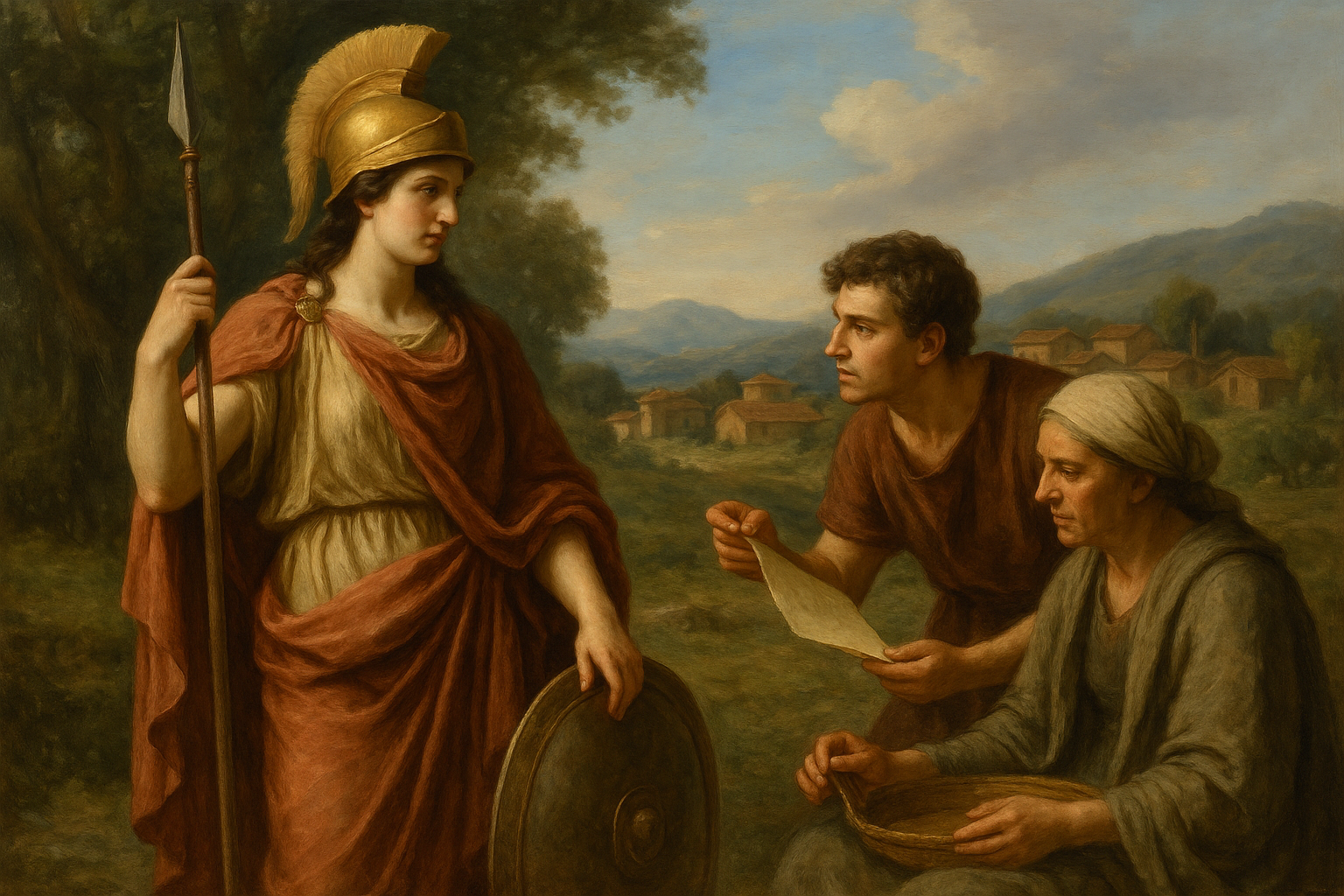
Myths and the Roman Concept of Justice
The Roman Empire, with its sprawling territory and diverse cultures, developed a complex legal system that laid the foundations for modern legal practices. However, this system did not emerge in a vacuum; it was deeply influenced by a rich tapestry of myths and cultural narratives that shaped Roman values, social norms, and ethical considerations. Understanding how myths interacted with the Roman concept of justice offers valuable insight into the moral fibers that held this ancient civilization together.
The Role of Myth in Roman Society
Mythology occupied a central space in Roman culture, driving the collective identity of its people. Myths served several functions: they explained natural phenomena, imparted lessons on virtue and morality, and provided narratives that reinforced social order. Deities, heroes, and legendary figures embodied the values of the society, serving as exemplars of justice, honor, and loyalty.
The Romans were largely influenced by Greek mythology but also cultivated their own narrative. Stories of Aeneas, Romulus, and Remus, foundational figures in Roman mythology, were steeped in themes of justice, duty, and piety. Aeneas’s journey, for instance, is emblematic of Roman values, showcasing sacrifice for the greater good and the importance of fulfilling one’s destiny.
The Concept of Justice in Rome
In Roman thought, justice (or “iustitia”) was considered one of the cardinal virtues. Roman jurists and philosophers, influenced by Stoic philosophy, sought to define justice in terms of fairness and the adherence to a moral order. Justice was not merely a set of legal codes but a social ideal that underpinned the very fabric of the state.
Roman justice entailed more than the application of law; it involved a moral assessment of right and wrong. The idea was to achieve balance and harmony within society. Judicial decisions were often expected to reflect not only legal stipulations but also ethical considerations, mirroring the virtues depicted in Roman myths.
The Interaction of Myth and Justice
Myths often served to illustrate the standards of justice that Romans expected of their leaders and citizens. For example, tales of gods and mortals provided paradigms for the exercise of power. The story of the Trojan War and the concept of “fate” emphasized that even the mightiest could fall if they acted unjustly. This cautionary element in myths was a constant reminder to leaders that their authority came with a duty to act justly.
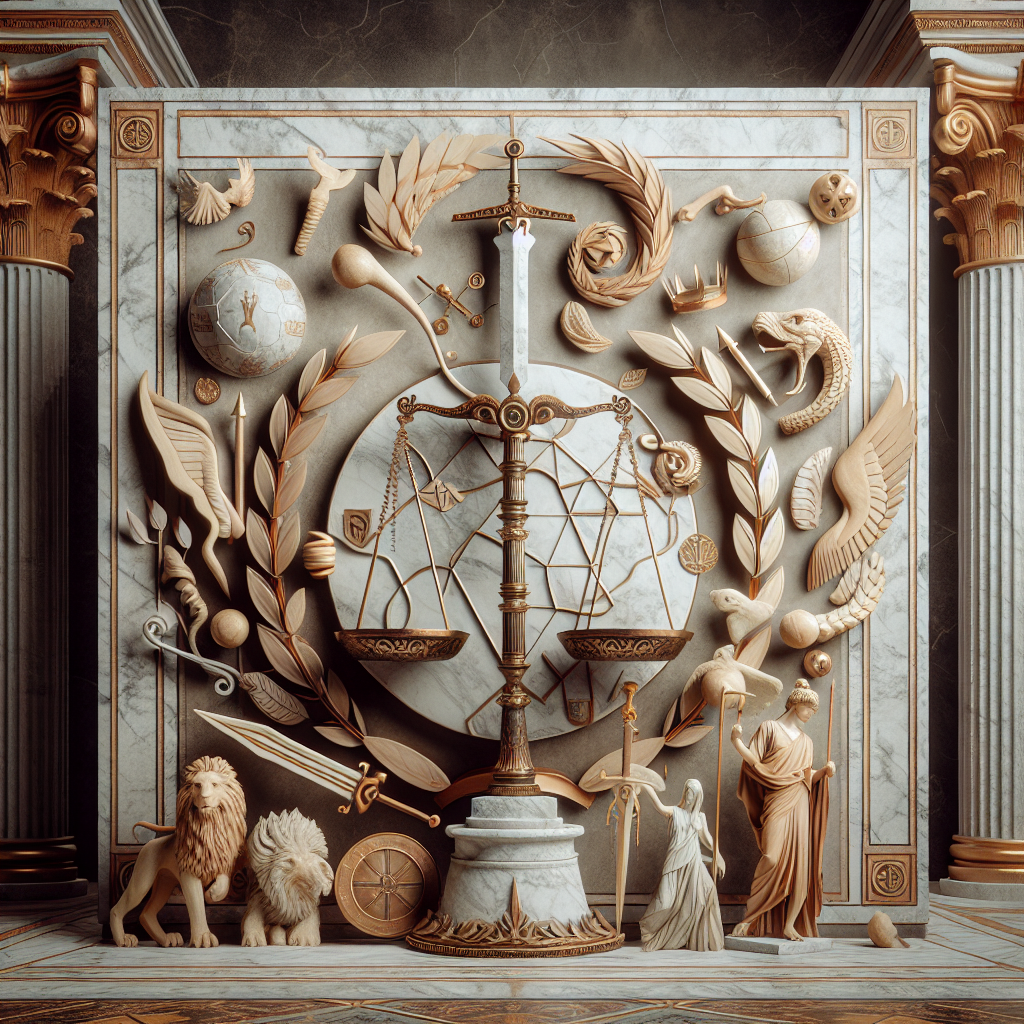
One of the most significant myths that impacted Roman justice is that of Themis and her Roman counterpart, Iustitia. These deities represented divine justice and moral order, often depicted as blindfolded with scales—a symbol of impartiality. Their mythological portrayal reinforced the importance of fairness and equality before the law, guiding judges in their deliberations.
The Influence of Historical Events
The evolution of Roman laws also drew heavily on historical narratives, which often took on mythical qualities over time. Significant events, such as the establishment of the Republic or the downfall of dictators, were woven into the fabric of Roman mythology, producing a symbolic understanding of justice. For instance, the assassination of Julius Caesar became a mythic lesson about the dangers of tyranny and the moral obligations of citizens to resist unjust rulers.
Additionally, the idea of “mos maiorum,” the customs of the ancestors, played a vital role in shaping Roman views on justice. These customs, often mythologized to lend them greater gravitas, underscored the importance of tradition and the collective moral ethos of the Roman people. The laws that emerged from these customs were seen as extensions of divine will, reinforcing the belief that justice was not merely a human construct but something with divine sanction.
Legal Practices and Their Mythical Underpinnings
Roman law was characterized by a blend of customary laws and codified statutes, reminiscent of the myths that informed them. The Twelve Tables, one of the earliest attempts to unify and codify laws, reflected the ethos prevalent in Roman mythology. For example, laws dealing with property rights, familial obligations, and contractual agreements often echoed themes found in mythological stories about honor and duty.
Furthermore, the legal system was permeated by a sense of moral obligation that transcended transactional justice. The myth of Cincinnatus, a farmer called to serve as a dictator in times of crisis only to return to his plow afterwards, illustrated the Roman ideal of selfless service to the state. This narrative reinforced the expectation that those in positions of power should act in the public’s interest rather than for personal gain.
Judicial Corruption and the Fairness of Justice
Despite the strong ties between mythology and justice, the Roman legal system was not immune to corruption. Stories of legal malfeasance often reflected societal discontent, portraying judges and politicians as figures who strayed from the virtues espoused in myth. Such narratives served as cautionary tales, warning against the deviation from the moral standards upheld by the society.
Moreover, the disparity in how justice was meted out often aligned with the social stratification of Roman society. Wealthy citizens frequently had better access to resources that could influence judicial outcomes, creating a tension between the ideal of equal justice and the reality of social inequality. Myths highlighting the consequences of such corruption served not only as a critique but also as a call to return to the virtues symbolized by mythical figures.
Conclusion
The interplay between myths and the Roman concept of justice reveals a profound relationship between culture, ethics, and law. Roman myths were more than mere stories; they were foundational narratives that shaped collective beliefs about fairness, duty, and moral integrity. As the Romans endeavored to navigate the complexities of governance and societal order, these myths provided essential guidance on how to uphold justice in both word and deed.
While ancient Rome may be long gone, the lessons embedded in its mythology continue to resonate. They remind us of the enduring importance of justice, the moral leadership expected of those in power, and the need for a society built on ethical principles—a legacy that we can carry forward into our own complex and rapidly changing world.