The Art of Divination: Seers and Spakes in Norse Culture
Divination, the practice of seeking knowledge of the future or the unknown, has taken various forms across cultures throughout history. In Norse culture, the art of divination was deeply intertwined with religious beliefs, mythology, and everyday life. Central to this practice were the seers and spakes, individuals who acted as conduits between the divine and the mortal realms. Their roles, methods, and significance provide a fascinating glimpse into the spiritual landscape of the Norse peoples.
The Norns and the Threads of Fate
To understand the role of seers and spakes, one must first grasp the concept of fate in Norse mythology. The Norns, three divine beings—Urd (the past), Verdandi (the present), and Skuld (the future)—were believed to weave the threads of fate for all beings. They resided at the base of Yggdrasil, the World Tree, and were seen as powerful figures who dictated the destinies of gods and men alike. This belief in a predetermined fate shaped the worldview of the Norse people, making the insights of seers particularly valuable in navigating life’s uncertainties.
Seers: The Visionaries
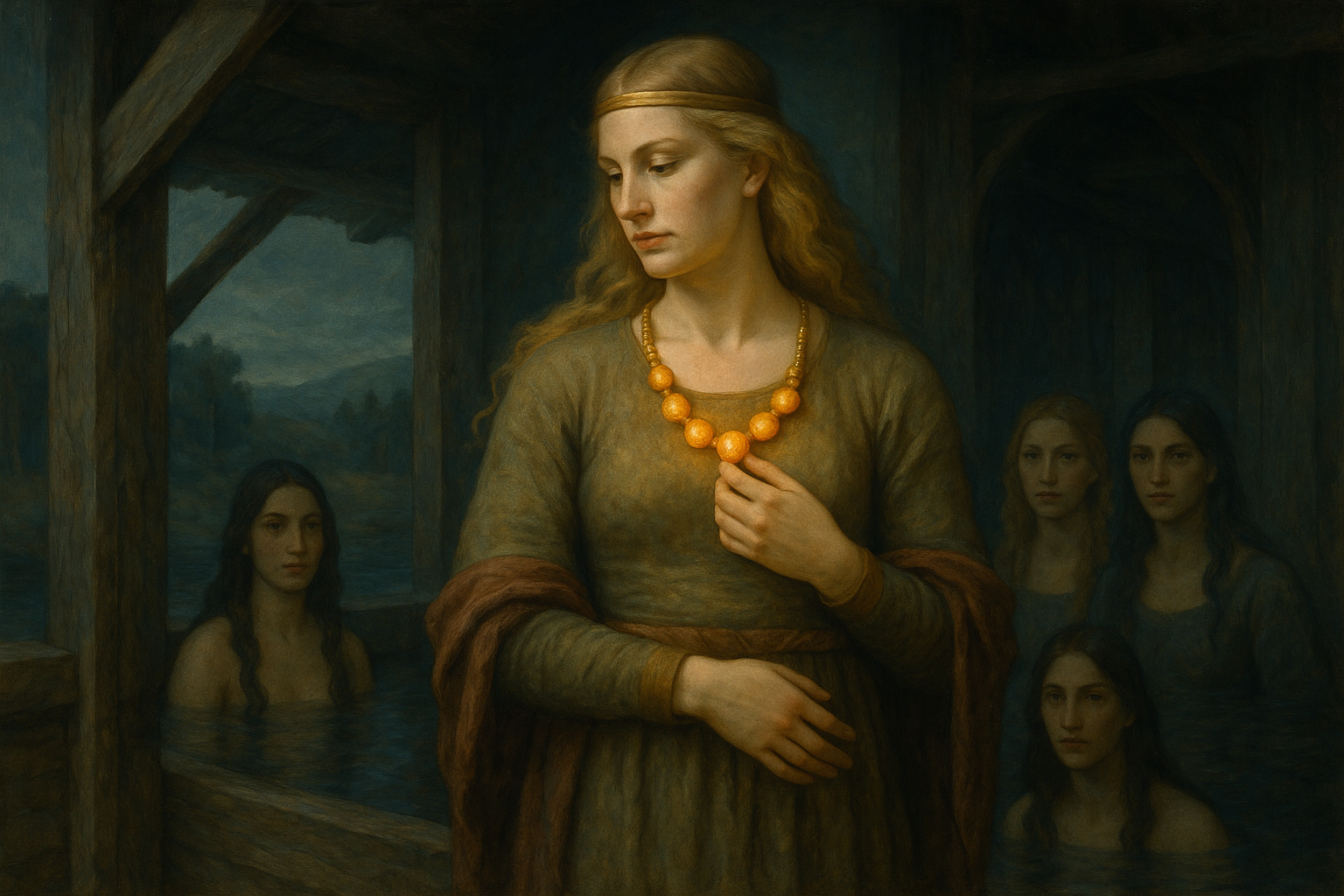
Seers, or völva in Old Norse, were women typically associated with wisdom, spirituality, and the ability to commune with the divine. The völva functioned within a context that combined social status and mystical power. Often depicted as wise elderly women or shamanistic figures, they occupied a vital role in Norse communities by prophesizing and offering guidance on critical life events such as marriages, harvests, and battles.
The Seer’s Practices
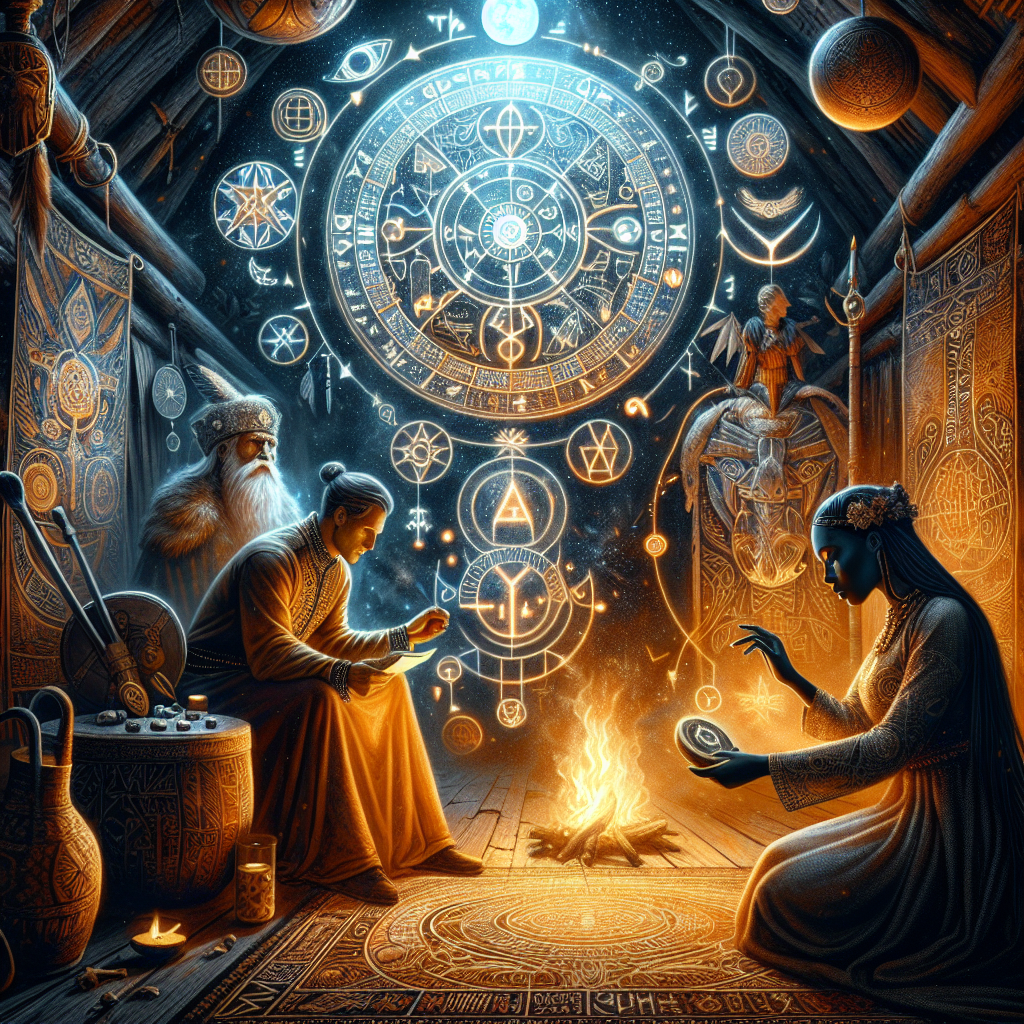
The methods of divination employed by seers varied widely but were often characterized by trance-like states, rituals, and the use of symbolic tools. One prominent technique involved the interpretation of runes—letters of a mysterious alphabet believed to hold magical properties. Seers would carve runes into wood, bone, or stone, drawing upon their meanings to interpret the will of the gods.
Another prevalent practice was scrying, or gazing into reflective surfaces—be it water, ice, or crystals—to receive visions and messages from the divine. The seer would enter a trance, tuning into the mystical energies surrounding them to receive prophetic insights. This practice not only relied on natural elements but also on the intricate understanding of natural phenomena prevalent in Norse culture.
Ritual Context
Seers often operated within a ritual context, where their divinations were integrated into communal celebrations or important life events. The blóts, sacrificial feasts offered to the gods, provided an opportunity for seers to seek divine approval or foresight, enhancing the spiritual significance of the gatherings. By invoking the gods, seers played a pivotal role in both community cohesion and spiritual guidance.
The Role of Gender
It’s important to note the gender dynamics at play in Norse divination. Seers were predominantly women, which tied them to both the social structures and religious beliefs of the time. While male figures such as galdra (male shamans) existed, the feminine aspect of seership resonated deeply within the Norse cultural narrative, echoing the feminine divine represented by figures like Freyja, the goddess of love, fertility, and war.
Spakes: The Messengers
Alongside seers, spakes—individuals who communicated messages from the gods—held a crucial role in Norse divination. They served as intermediaries who conveyed prophecy, wisdom, and guidance from the divine to the people. Often associated with poetry and storytelling, spakes were celebrated for their verbal prowess and their ability to convey complex truths through language.
The Role of Spakes
Spakes often acted within the context of both personal counsel and public discourse. They were tasked with interpreting omens, signs, and dreams—subtle messages that were layered with meaning. In a culture deeply attuned to natural cycles, spakes would often derive their insights from the environment, observing animal behavior, weather patterns, and celestial events as indicators of divine will.
Oral Tradition and Narrative
The craft of a spake was intrinsically linked to the oral tradition that permeated Norse society. Tales of gods, heroes, and mythical creatures were not merely entertainment but also contained moral and spiritual lessons. Spakes were entrusted with the responsibility to pass down these narratives, shaping collective memory and wisdom within their communities. The stories they wove often served as allegories for human experiences, thus allowing listeners to draw connections between their lives and the larger cosmic order.
Divination’s Cultural Significance
The art of divination and the roles of seers and spakes contributed to the overall spiritual and cultural fabric of Norse society. Not only did they provide practical knowledge about future events, but they also reinforced communal bonds by promoting shared beliefs and values. The metaphysical realm was deeply embedded in everyday life, and the insights offered by these practitioners helped individuals navigate the treacherous waters of existence.
Navigating Uncertainty
In a world marked by unpredictability—battles, poor harvests, harsh winters—divination provided a sense of control and hope. The prophecies of seers and the counsel of spakes helped shape decisions, ensuring that individuals felt empowered even in the face of fate. This dynamic process reinforced the notion that humans, while subject to fate, still possessed agency through the actions they took based on divine insights.
Legacy and Influence
As Norse culture evolved, the practice of divination did not fade away. Elements of seership and spaking can be seen in the medieval texts, sagas, and later folk traditions that continued to celebrate the mystical connection between humans and the divine. The reverberations of this ancient practice can still be felt in contemporary spiritual practices that draw inspiration from Norse mythology, highlighting the enduring legacy of seers and spakes.
Conclusion
The art of divination in Norse culture, epitomized by the roles of seers and spakes, offers a captivating insight into how ancient peoples navigated the complexities of existence. Their spiritual practices, deeply rooted in mythology and communal life, reveal a society that engaged with the divine in meaningful ways. Through their visions and words, seers and spakes shaped the moral and cultural landscape of their time, leaving a legacy that continues to intrigue and inspire today. In this rich tapestry of belief, the lines between fate and free will, the divine and the mortal, blend seamlessly, illuminating the eternal human quest for understanding in an unpredictable world.