Norse Mythology and the Hero’s Journey Archetype
Norse Mythology and the Hero’s Journey Archetype
Norse mythology, rich with tales of gods, monsters, and epic struggles, provides a fascinating lens through which to explore the Hero’s Journey archetype, a narrative pattern popularized by Joseph Campbell in his work “The Hero with a Thousand Faces.” This framework outlines the stages of a hero’s adventure, characterized by challenges, transformation, and ultimate growth. Norse mythological figures, particularly heroes like Sigurd, often embody these stages, mirroring universal human experiences.
The Call to Adventure
Every hero’s journey begins with a call to adventure, an invitation or catalyst prompting them to leave their familiar world. In Norse mythology, this is often represented through an event or prophecy. For instance, Sigurd (or Siegfried in some adaptations) receives the call when he learns about the treasure guarded by the dragon Fafnir. This moment is pivotal, suggesting the cosmos is at play, and destiny beckons him towards greatness.
The call can be frightening, as it disrupts the hero’s status quo. Sigurd is thrust into a world of danger; and like many Norse heroes, he is not merely seeking fame or glory but is also compelled to confront forces that threaten the order of the cosmos.
Refusal of the Call
In many narratives, the hero initially resists the call to adventure, plagued by doubt or fear of the unknown. This stage reinforces the gravity of the commitment they are about to undertake. In Norse mythology, this refusal is less pronounced but can be seen in characters who grapple with their fates or the implications of their destinies.
Consider Thor, the thunder god. Though he often leaps into action, he at times hesitates, especially when faced with the ramifications of his decisions, reflecting a common human trait: fear of responsibility. The internal struggle between personal ambition and cosmic duty enhances the narrative complexity.
Meeting the Mentor
The hero often encounters a mentor who provides guidance or tools necessary for their journey. Odin, the Allfather and a major figure in Norse mythology, serves as this mentor to various heroes. He imparts wisdom about sacrifice, knowledge, and the deeper mysteries of the world.
For instance, before Sigurd confronts Fafnir, Odin helps him in various ways, including providing him with wisdom on the nature of the treasure. This mentorship highlights an essential theme in Norse culture: knowledge is power, but with knowledge comes the burden of choice.
Crossing the Threshold
The crossing into the unknown marks a significant shift from the ordinary world to the world of adventure. For Sigurd, this occurs as he ventures into the dragon’s lair. This moment is often fraught with tension, as the hero leaves behind the security of the familiar to confront the chaos that lies ahead.
In Norse myth, this transition is not merely physical; it symbolizes a psychological transformation. The familiar world here represents ignorance, while the adventure embodies enlightenment, danger, and the path towards self-discovery.
Trials and Allies
As the hero progresses, they encounter trials that test their resilience, wit, and morality. Sigurd faces numerous challenges, from battling Fafnir to confronting the sorcery of the Valkyrie Brynhild. Allies also play a critical role; Brynhild, for example, acts as both a companion and adversary through Sigurd’s journey—a reflection of the complexity of human relationships and the duality of love and conflict.
Norse mythology often intertwines the hero’s trials with themes of fate and sacrifice. Sigurd’s journey is riddled with difficult choices, shaped by the Norns, the weavers of fate, emphasizing that while heroes act, they are not free from the constraints of destiny.
The Cosmic Ordeal
The climax of the Hero’s Journey typically involves facing a significant adversity or ordeal. For Sigurd, this is the battle with Fafnir—the culmination of his growth and learning. He must use both physical prowess and mental acumen, symbolizing the integration of all the lessons learned throughout his journey.
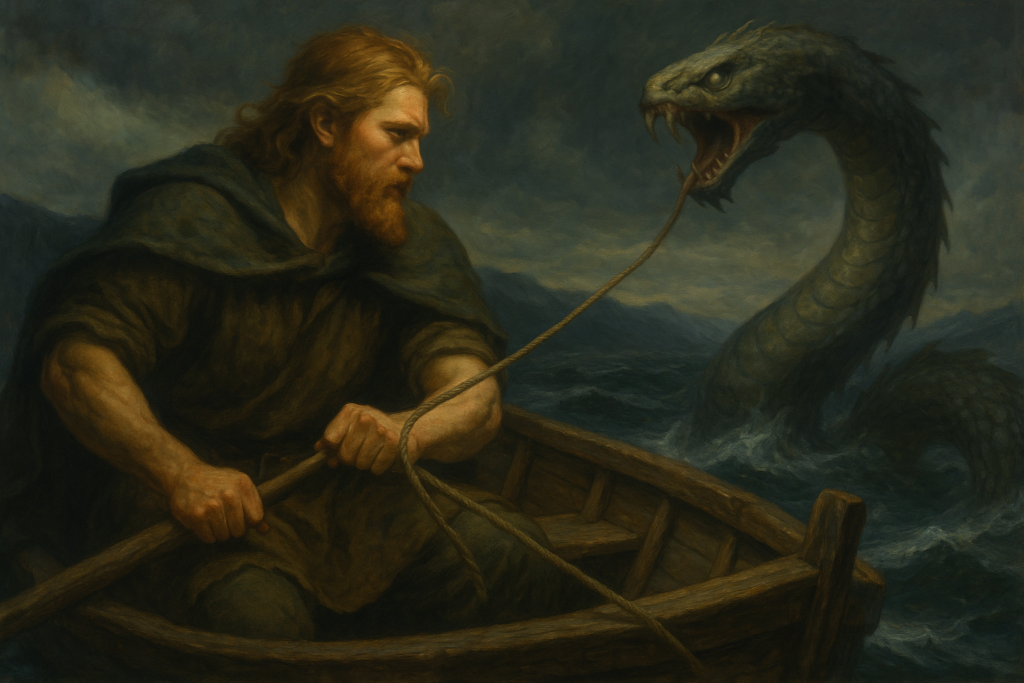
In contrasting light, Thor’s battles with giants and various manifestations of chaos offer another flavor of this ordeal. His struggles often highlight the eternal battle between order and chaos, a central theme in Norse mythology. Here, the hero embodies the ongoing struggle not just for personal achievement but for cosmic balance—a reflection of how deeply intertwined individual journeys are with the broader universe.
The Reward and the Return
Upon overcoming the ordeal, the hero traditionally receives a reward. Sigurd earns a vast hoard of gold and, more importantly, a deeper understanding of himself and his place in the world. However, in Norse traditions, the hero’s journey doesn’t always conclude positively; with great power often comes grave consequences.
The return to the ordinary world can be filled with perils, reflecting the harsh realities of existence. Sigurd faces the aftermath of his actions, highlighting that victory is often tinged with sacrifice. Thor, too, realizes that every victory against chaos brings a new cycle of conflict, underscoring the transient nature of success and the ever-present shadow of destiny.
Conclusion: Reflection of Human Experience
Norse mythology offers more than just riveting tales of gods and monsters; it serves as a foundational framework reflecting the human experience. The Hero’s Journey archetype illuminates fundamental truths about growth, struggle, and the quest for identity.
The adventures of figures like Sigurd and Thor provide a rich narrative tapestry that mirrors the complexities of existence—reminding us that every journey is fraught with challenges, yet also filled with moments of profound growth. In this convergence of myth and archetype, we find timeless lessons about bravery, sacrifice, and the unending pursuit of understanding one’s place in the cosmos, resonating across generations.
Ultimately, Norse mythology not just entertains but encapsulates the essence of the hero’s journey, revealing the deeply rooted human narrative that connects us all.