Seeresses and Sorcery: Women in Norse Mythology
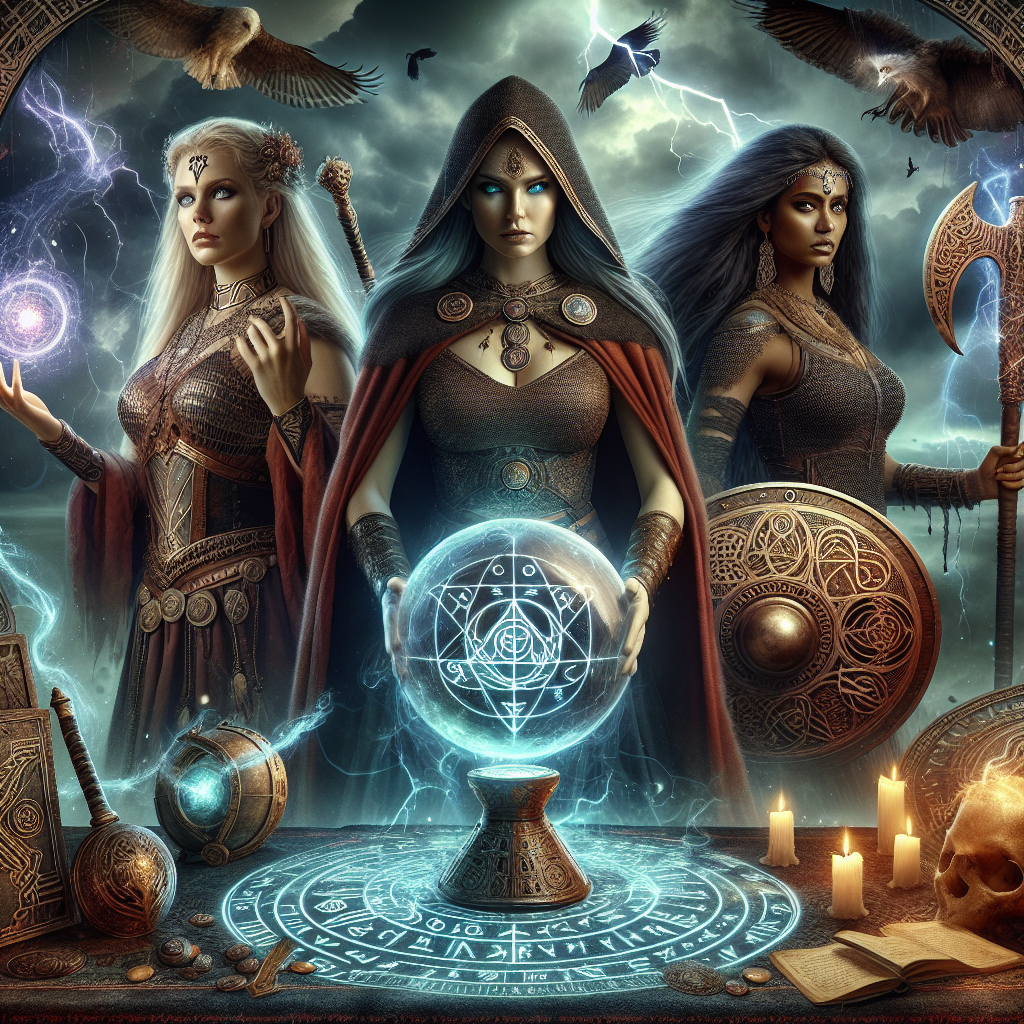
Norse mythology has long intrigued scholars and enthusiasts alike, presenting a rich tapestry of gods, giants, and the myriad beings inhabiting its narratives. Among the myriad characters that populate these sagas, women occupy a nuanced and often complex position. Central to this discussion are the seeresses, or “völvas,” who wield considerable power through their sorcerous abilities. Their roles in Norse cosmology reflect a dynamic interplay of gender, power, and spirituality.
The Role of Seeresses
The völva, often depicted as a wise woman or sorceress, served as a prophetic figure in Norse culture. According to ancient texts, the völva would engage in seidr, a form of pre-Christian sorcery associated with fate and prophetic wisdom. This practice allowed her to gain insight into the mysteries of the universe, sometimes invoking the gods themselves for guidance.
Seidr was traditionally a female-dominated practice, contrasting sharply with the predominantly masculine activities of warfare and exploration in Norse society. The völvas were revered and feared, often invoked in times of crisis or uncertainty. These women were not merely passive vessels of knowledge; they possessed agency, wielding their abilities to influence events and provide counsel.
Seeresses in the Mythological Texts
One of the most intriguing representations of a seeress in Norse mythology is the figure of Seeress in the Völuspá, a poem from the Poetic Edda. In this text, a völva recounts the creation of the world and its eventual destruction during Ragnarök. This narrative structure emphasizes the seeress’s role as a keeper of cosmic knowledge, encapsulating the cyclical nature of life, death, and rebirth.
The völva serves as a bridge between the past and the future, her prophecies illuminating the path ahead while simultaneously reflecting on the lore that has preceded her. Her insights are not easily grasped; they often come in cryptic phrases and layered meanings that invite interpretation. This complexity mirrors the multifaceted nature of women in Norse society—they were both revered as wise women and stigmatized for their mystical practices.
Gender Dynamics and Power
The portrayal of seeresses in Norse mythology is deeply intertwined with the cultural dynamics surrounding gender. In a society that predominantly valorized masculine qualities such as strength, courage, and honor, the powers of women, especially through seidr, were both a source of respect and trepidation.
The practice of seidr was often associated with femininity, which further complicated its reception. Men who engaged in seidr risked public humiliation or accusations of effeminacy. This gendered dichotomy illustrates how power in Norse society could be both empowering and limiting for women depending on their roles and actions.
Figures like Freyja, the goddess associated with love, beauty, and war, also exemplify this duality. She was a master of seidr, yet her capabilities were often overshadowed by male gods like Odin. In her capacity as a völva, Freyja both personifies and challenges traditional gender roles, embodying a complex blend of strength and femininity.
The Seeresses in Historical Context
Seeresses and wise women held a prominent place in early Scandinavian culture, serving not only as spiritual guides but as pragmatic advisers in societal matters. Archaeological evidence, including burial sites with artifacts linked to seeresses, suggests that these women often held significant status within their communities.
The presence of völvas in Norse tales points toward a time when women’s capacity for foresight and influences over life events were recognized and respected. Such a cultural framework allowed for the preservation of folklore that celebrates female power and agency, even as patriarchal structures began to solidify in later Norse society.
Sorcery and its Cultural Implications
The practice of sorcery in Norse culture, especially in its association with women, raises important questions about the perception of the occult. While völvas were important figures within their societies, their practices were often shrouded in fear and misunderstanding. This established a dichotomy in how these women were viewed—sinister figures capable of both healing and harming.
Literary sources depict sorcery not only as a means of foretelling the future but also as a powerful method for transformation and manipulation of the natural world. This inherent flexibility of sorcery reveals an understanding of the interconnectedness between all beings, a theme that resonates through many world mythologies.
In many tales, the intersection of love and sorcery brings out the complexities of female agency. Women often wield their powers to navigate complex relationships and societal constraints, serving as catalysts for change while operating within the confines of their cultural parameters.
Conclusion
The narratives surrounding seeresses in Norse mythology illuminate the intricate tapestry of gender, spirituality, and power. These women, embodying the delicate balance between reverence and fear, serve as a testament to the multifaceted nature of femininity in a warrior culture. Their roles in sorcery and prophecy underscore an essential understanding of life, fate, and the interconnectedness of all beings.
Additionally, the legacy of these völvas extends beyond the confines of mythology into contemporary discussions about gender and power dynamics. As scholars and enthusiasts continue to explore these rich narratives, the seeresses of Norse mythology invite us to reevaluate and celebrate the complexities of women’s roles in history and spirituality. In their stories, we find echoes of the struggles, triumphs, and trials of women across generations, reminding us of the enduring strength and wisdom found in feminine identities.