Magical Creatures of Norse Mythology: From Fenrir to Jormungandr
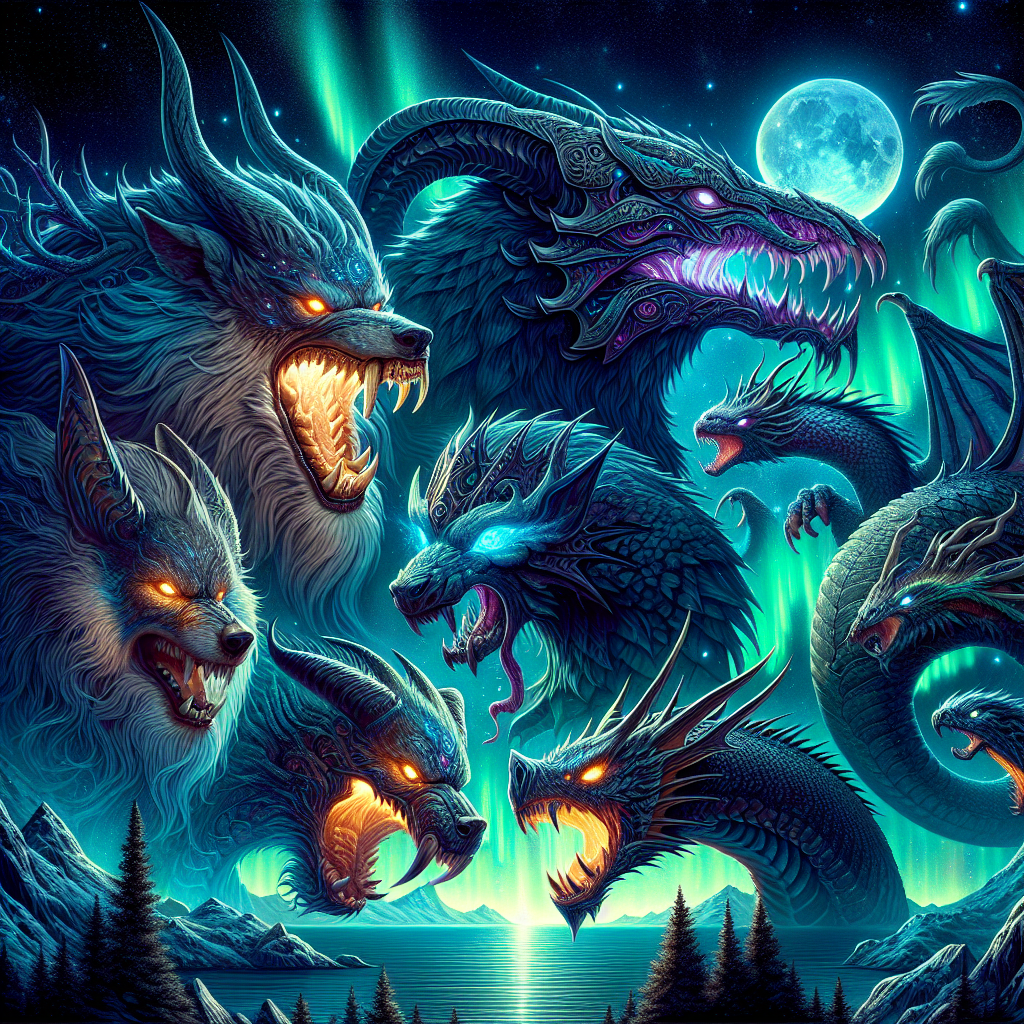
Norse mythology is a rich tapestry of legends, gods, and extraordinary beings that have captivated the imagination for centuries. Among these are a plethora of magical creatures, each embodying various aspects of nature, morality, and the human experience. From fearsome giants to protective spirits, the magical creatures of Norse lore serve significant roles in the grand narrative of the cosmos. Among the most notable are Fenrir, Jormungandr, Níðhöggr, and the Valkyries, each adding texture and intrigue to the vibrant world of gods and monsters.
Fenrir: The Wolf of Prophecy
Fenrir, often referred to as the Fenris Wolf, is one of the most iconic creatures in Norse mythology. Born of the trickster god Loki and the giantess Angerboda, Fenrir was destined for greatness — and destruction. As he grew, the Aesir gods recognized his potential for chaos and decided to contain him. They forged magical chains, but Fenrir was able to break free, showcasing his immense strength.
What makes Fenrir particularly significant is his role in Ragnarok, the end of the world in Norse cosmology. It is foretold that during this cataclysmic event, Fenrir would break free from his bonds and slay Odin, the chief of the gods. This prophecy stirs a deep sense of dread, highlighting themes of fate and inevitability, as even the gods cannot escape their destiny. Fenrir thus symbolizes the uncontrollable forces in life, reflecting the Norse understanding that chaos often follows the order established by higher powers.
Jormungandr: The World Serpent
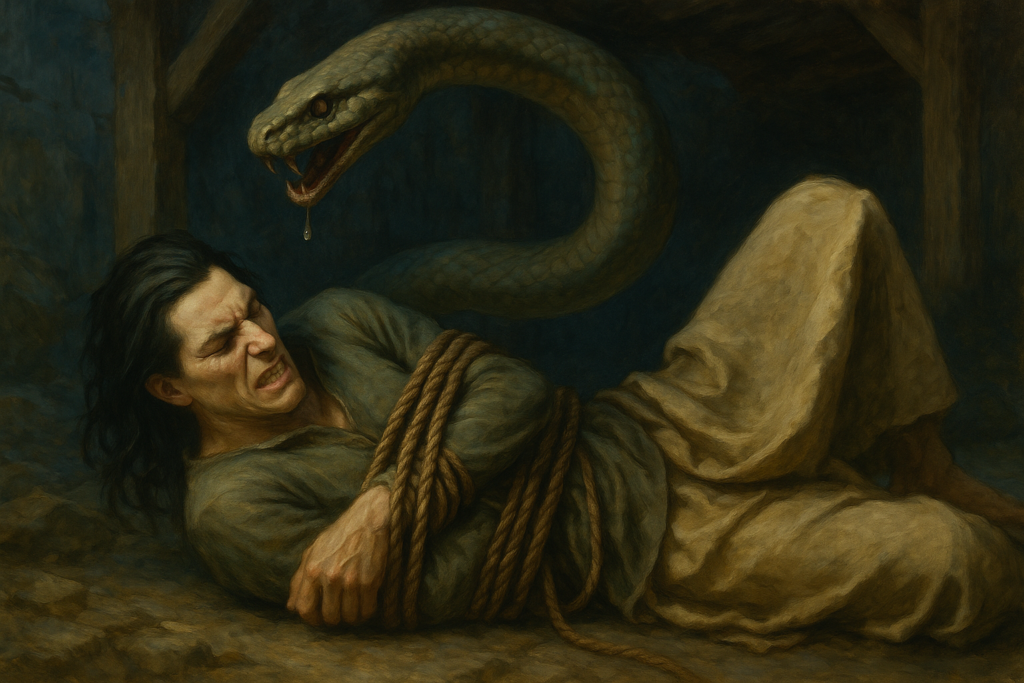
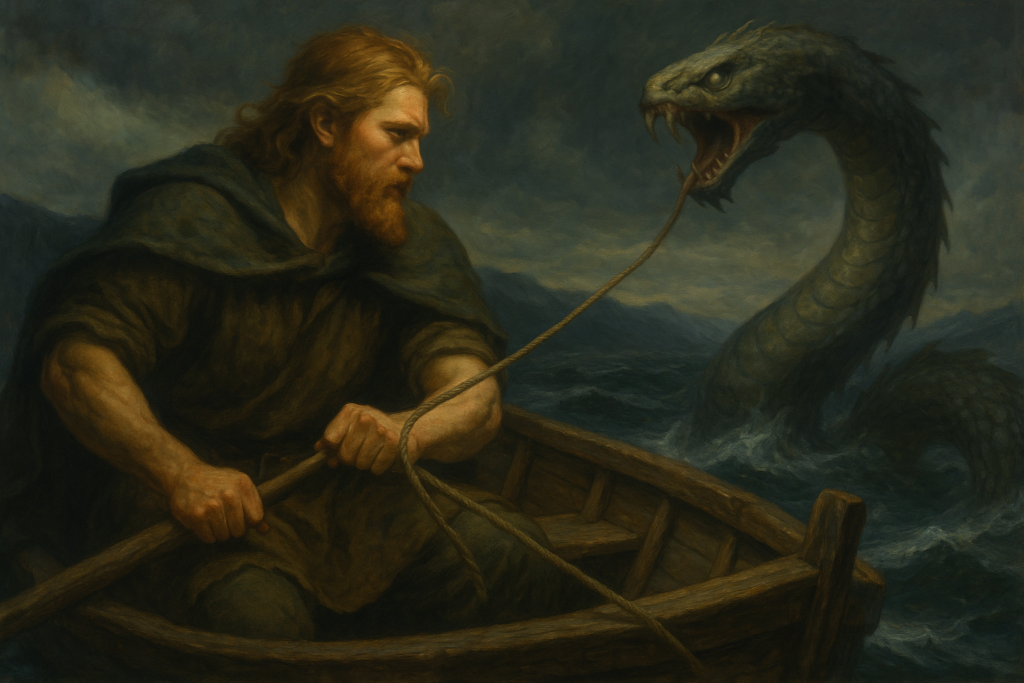
Another extraordinary creature in Norse mythology, Jormungandr, also known as the Midgard Serpent, is a colossal serpent that encircles the Earth. Born to Loki and Angerboda, like Fenrir, Jormungandr was deemed a threat by the gods. To prevent havoc, they tossed him into the ocean surrounding Midgard, where he grew so large that he could wrap around the globe, grasping his own tail. This imagery of a serpent eating its own tail evokes themes of infinity and cyclical existence.
Jormungandr’s destiny is inextricably linked to Thor, the god of thunder. It is foretold that during Ragnarok, Thor and the Midgard Serpent will engage in a cataclysmic battle, resulting in both their deaths. Jormungandr’s ability to poison the waters and challenge Thor symbolizes the struggle between chaos and order. Together with Fenrir, Jormungandr illustrates how terrifying entities from nature embody the darker aspects of existence.
Níðhöggr: The Dragon of Despair
Níðhöggr, a dragon residing in the roots of Yggdrasil, the World Tree, represents the more sinister aspects of life and death. Níðhöggr gnaws at the roots of Yggdrasil, causing decay and destruction. His presence serves as a reminder of the inevitability of death, decay, and the cyclical nature of life.
Culturally, Níðhöggr’s actions could be interpreted as an embodiment of the chaos that lingers around the fringes of existence. He feeds on the dead, particularly those who die dishonorably, which aligns with the Norse values of honor and bravery. This dragon not only enforces the natural order but also acts as a bridge between life and death, illustrating the Norse understanding that one cannot exist without the other.
Valkyries: The Choosers of the Slain
In contrast to the monstrous creatures outlined previously, the Valkyries serve as divine figures acting in service to Odin. They are warrior maidens who fly into battle to choose those who will die and those who will live. After battle, they escort the souls of fallen warriors to Valhalla, Odin’s hall of the slain. Here, these warriors prepare for Ragnarok by feasting and training.
The Valkyries symbolize the dual nature of fate and choice in Norse beliefs. While they select the slain, their role imparts a sense of honor and nobility to the act of dying bravely in battle. They represent the ideals of courage, valor, and glory that were pivotal in Norse culture. Moreover, their ethereal beauty and fearless demeanor embody an intersection of mortality and immortality, a theme that permeates Norse myth.
Sköll and Hati: The Hunters of the Sun and Moon
Less well-known but equally fascinating, Sköll and Hati are two wolves that chase the sun and moon across the sky. Sköll pursues the sun, while Hati chases the moon, reflecting the cosmic battle between light and darkness. The eventual capture of both celestial bodies by these wolves signifies the arrival of Ragnarok, where chaos consumes order.
These wolves highlight the importance of celestial patterns in Norse mythology. The cyclical nature of day and night symbolizes the eternal struggles present in existence, embodying the inevitable interplay between creation and destruction. Sköll and Hati serve as metaphors for the relentless pursuit of forces that define our world.
Conclusion: The Tapestry of Existence
The magical creatures of Norse mythology, from Fenrir and Jormungandr to Níðhöggr and the Valkyries, provide a window into the complexities of the Norse worldview. These beings embody profound truths about existence — the balance of chaos and order, the inevitability of fate, and the duality of life and death. The richness of these narratives offers valuable lessons that resonate even today, illuminating the human condition and the eternal struggles we face.
As we navigate our own journeys through the complexities of life, the magical creatures of Norse mythology remind us of the timeless themes of courage, destiny, and the cyclical nature of existence. Their stories continue to inspire and challenge us, urging a reflection on our place in a world that is at once wondrous and terrifying.