The Influence of Roman Myths on Later European Literature
Introduction
Roman mythology, rooted in ancient beliefs and traditions, has significantly influenced various aspects of Western culture, especially literature. The Romans, influenced by Greek mythology yet distinctive in their own narratives, shaped a rich tapestry of stories filled with gods, legendary heroes, and moral lessons. These myths did not just fade away with the decline of the Roman Empire; rather, they seeped into the literary corpus of subsequent generations. This article explores how Roman myths have left an indelible mark on European literature, from the medieval period through the Renaissance to contemporary works, and examines key themes, figures, and transformations over time.
The Foundation: Roman Myths and Their Characteristics
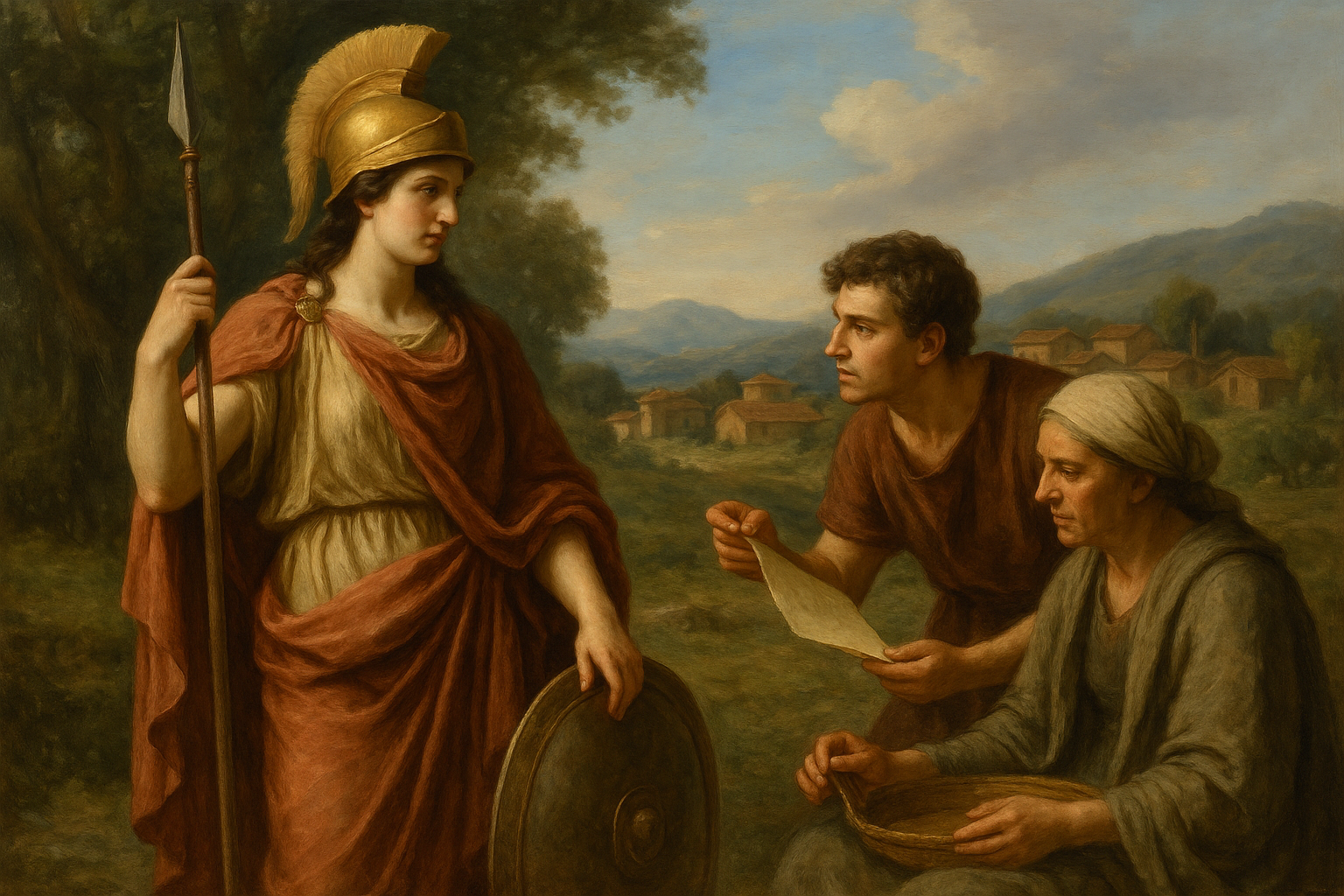
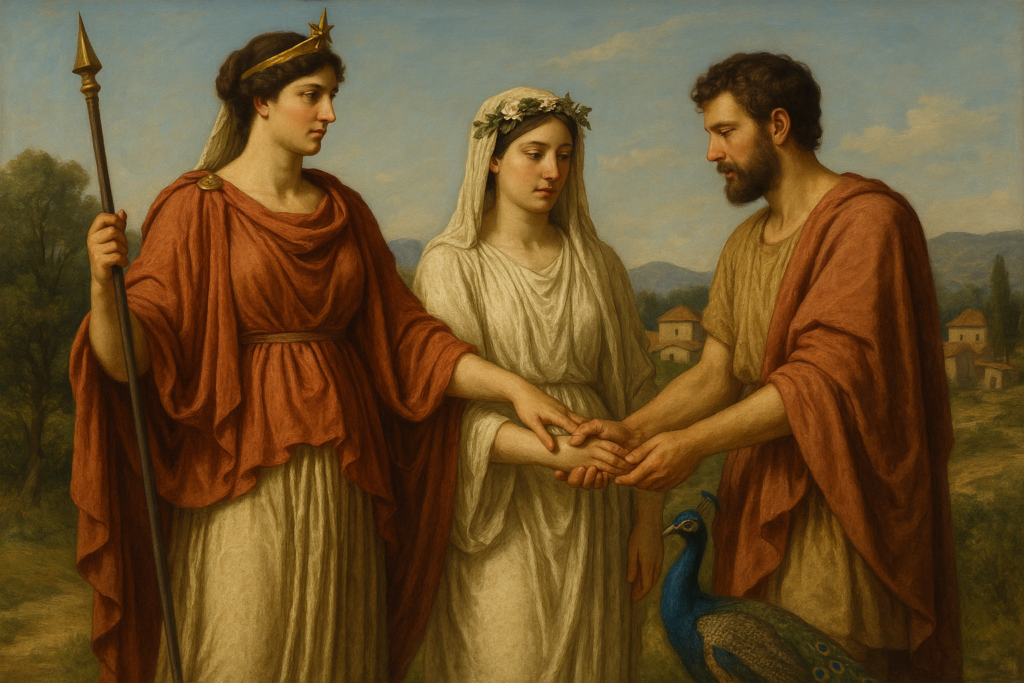
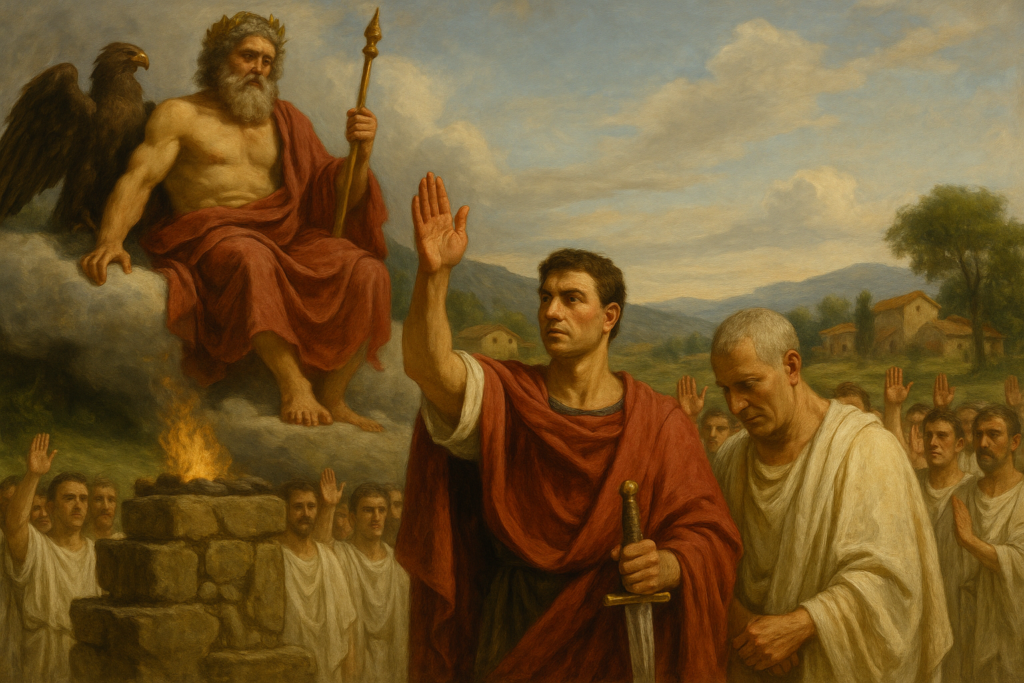
Roman myths often focused on themes of valor, duty, and morality, emphasizing the importance of the state and collective responsibility. Characters such as Jupiter (the king of the gods), Juno (the goddess of marriage), Mars (the god of war), and Venus (the goddess of love) became archetypes that would resonate through subsequent literary movements.
Unlike the often whimsical nature of Greek mythology, Roman tales were more pragmatic and didactic. They served not only to entertain but to instill virtues such as pietas (duty), gravitas (seriousness), and constantia (steadfastness). These themes would later re-emerge in various literary forms, influencing writers across Europe.
Medieval Literature: The Adaptation of Roman Myths
During the medieval period, the influence of Roman mythology was filtered through the lens of Christian doctrine, resulting in a complex interplay between classic themes and religious narratives. While most medieval writers were primarily concerned with morality and the Christian worldview, the undercurrents of Roman mythology were still palpable.
Works like Dante Alighieri’s Divine Comedy exemplify the synthesis of Roman and Christian themes. Dante’s depiction of Virgil, the great Roman poet, as his guide through Hell and Purgatory highlights the moral and philosophical significance of Roman literature. Virgil’s epic, The Aeneid, embedded deeply in Dante’s work, illustrates how Roman figures became allegorical representations of human virtues and vices.
Moreover, the Arthurian legends, which flourished during the medieval period, often invoked Roman history and myth. The character of King Arthur and his knights echoed the ideals found in Roman tales of bravery and honor, transforming Roman mythos into localized narratives that resonated with feudal society.
The Renaissance: A Revival of Classical Antiquity
The Renaissance marked a significant revival of interest in classical texts, including Roman mythology. Humanist scholars sought to rediscover and promote the works of ancient authors, leading to a resurgence of mythological themes in literature and art. Figures such as Petrarch and Boccaccio drew inspiration from Roman poets, weaving classical elements into their own narratives.
One of the most notable examples is Giovanni Boccaccio’s The Decameron, which includes stories influenced by Roman lore and mythology. Characters often exhibit traits common in Roman heroes, reflecting virtues that were admired in both ancient Rome and the Renaissance.
Similarly, William Shakespeare’s works illustrate how Roman myths influenced his storytelling. In plays like Julius Caesar and Antony and Cleopatra, Shakespeare mined Roman history and myth for dramatic richness, blending history with the moral complexities of human nature. Themes of ambition, power, and betrayal resonate deeply with the Roman stories of gods and mortals, showcasing how these ancient narratives informed his artistic vision.
The Enlightenment and Romanticism: Continued Echoes
As the Enlightenment unfolded, the resurgence of reason and individualism revisited themes from Roman mythology, emphasizing human freedom and the potential for greatness. This era marked a shift toward a more secular interpretation of ancient myths, allowing for exploration of psychological depth and moral ambiguity.
Writers like Johann Wolfgang von Goethe, who engaged with Roman myths in works such as Faust, utilized these ancient narratives to explore the complexities of desire and ambition. The notion of striving against fate, as seen in the tragic figures of Roman mythology, became a lens through which later literature could examine the human experience.
The Romantic period further romanticized these themes, intertwining nature and humanity with a deep appreciation for individual emotion. Poets such as Lord Byron and Percy Bysshe Shelley drew heavily on Roman mythology, using its symbols and characters to express the struggles of the individual against societal norms. For instance, Shelley’s Prometheus Unbound reimagines the Titan who defied gods for the sake of humanity, honoring the enduring legacy of Roman ethical dilemmas.
Contemporary Literature: The Enduring Legacy
Even in contemporary literature, the influence of Roman mythology remains prevalent. Authors like Neil Gaiman and Rick Riordan utilize mythological elements, incorporating Roman gods and heroes into modern narratives that resonate with youth and adults alike. Riordan’s Percy Jackson series highlights the timeless appeal of mythological figures while addressing contemporary themes of identity, heroism, and belonging.
Moreover, the theatrical realm continues to embrace raw Roman narratives, as seen in adaptations of classical tragedies and comedies that reflect modern societal issues by leveraging ancient myths. This cyclical nature of myth creation attests to the power of Roman mythology as a source of inspiration, providing a framework through which contemporary issues are understood.
Conclusion
The influence of Roman mythology on European literature is profound and far-reaching. From the medieval period to the Renaissance and into the modern age, writers have drawn on the themes, characters, and moral insights of Roman myths to construct narratives that reflect the complexities of human experience. As society evolves, these ancient stories continue to offer a lens through which we explore love, ambition, morality, and the fundamental questions of existence. The enduring legacy of Roman myths not only enriches our understanding of literature but also illuminates the timeless nature of human struggles and aspirations.