The Importance of Rituals in Roman Mythological Worship
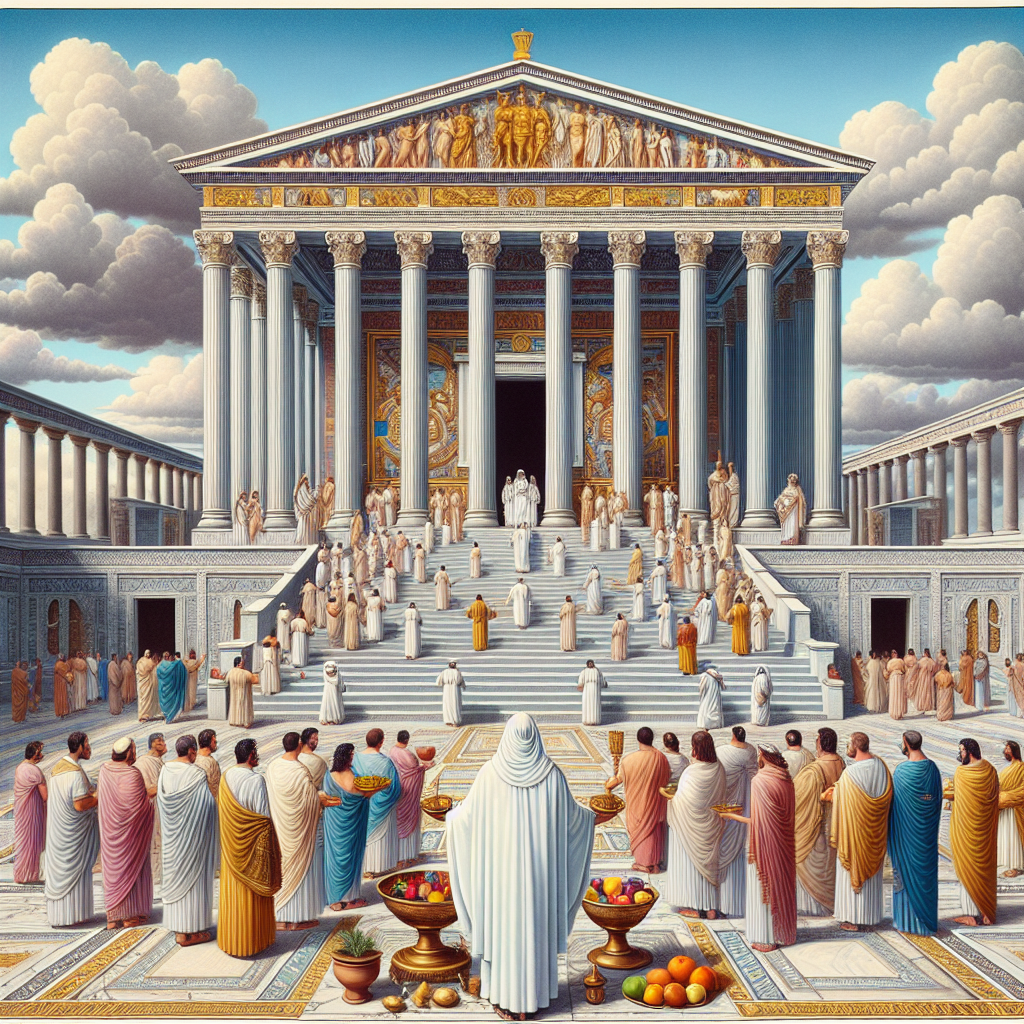
Rituals played a central role in Roman religious practices and are crucial to understanding the complexities of Roman mythological worship. Beyond mere ceremonial acts, rituals were woven into the very fabric of Roman life, embodying the beliefs, values, and social structures of the time. This article delves into the significance of rituals in Roman mythology, exploring their functions, forms, and the ways they connected both individuals and the community with the divine.
Understanding Roman Religion
To appreciate the importance of rituals, one must first grasp the essence of Roman religion itself. Unlike organized religions with a single canon or dogma, Roman spirituality was highly syncretic, incorporating a pantheon of gods and goddesses, each representing various aspects of life. From Jupiter, the king of the gods, to Venus, the goddess of love, these deities influenced every facet of existence—agriculture, war, family, and even personal fate.
Religion in Rome was deeply intertwined with statecraft; rituals often served both spiritual and political purposes. The Romans believed that the favor of the gods was essential for the prosperity of the state and its citizens. Therefore, rituals were not mere traditions but vital practices intended to solicit divine approval and avert misfortune.
The Structure of Rituals
Roman rituals typically followed a structured sequence known as the ritualis. This structure granted a sense of order and predictability, reinforcing social norms and communal identity. The key elements included:
-
Purification: Before engaging with the divine, participants often underwent cleansing rituals. This might involve washing hands, purifying spaces, or performing offerings. The goal was to establish a state of purity conducive to divine interaction.
-
Invocation: Worshippers would invoke the names of the deities, calling on their power and presence. This often took place through prayers, hymns, or chants, reinforcing the connection between gods and mortal beings.
-
Offering: Sacrifices—whether in the form of food, animals, or incense—were integral to Roman rituals. Offerings were meant to appease the gods, express gratitude, or seek favor. The act of giving demonstrated respect and acknowledged the gods’ influence over human affairs.
-
Votive Acts: Individuals often engaged in personal rituals, promising offerings in exchange for divine intervention. This could range from simple acts of devotion to elaborate communal ceremonies, all tailored to secure specific outcomes.
-
Conclusion and Feast: Rituals typically culminated in a communal celebration, where participants would share food and recite blessings. This strengthening of community bonds reinforced social cohesion, emphasizing that worship was not just an individual act but a collective responsibility.
The Role of Priests and Vestal Virgins
Rituals were often led by designated individuals, including priests and priestesses, who served as intermediaries between the divine and the mortal. The flamines were specialized priests who oversaw rituals dedicated to specific deities, while the augurs interpreted signs and omens to ensure that rituals aligned with divine will.
One of the most revered priestly roles was that of the Vestal Virgins, female priestesses dedicated to Vesta, the goddess of the hearth. Their primary duty was to maintain the sacred fire of Vesta, a symbol of the city’s safety and prosperity. The responsibilities of the Vestals highlighted the social obligations intertwined with ritual; failure to maintain the fire could signify doom for the Roman state.
Community Bonding and Social Identity
Rituals served as a powerful means of bonding in Roman society. They provided a shared framework of values and beliefs, reinforcing social hierarchies and community ties. From state-sponsored festivals honoring Jupiter to family rites commemorating deceased ancestors, rituals facilitated communal participation, allowing individuals to partake in a collective identity.
The Roman public cults, such as the Ludi Romani (Roman Games), demonstrated how rituals could unify the populace. These grand festivals combined religious observance with entertainment, demonstrating the interplay between worship and communal celebration. The collective experience of rituals fostered a sense of belonging and created a common narrative that transcended individual differences.
Rituals as a Reflection of Values
Rituals also served as a reflection of Roman values and ethics. For example, the emphasis on duty, loyalty, and piety—pietas—was manifest in various rituals that honored the gods, ancestors, and the state. The rituals of ancestor veneration exemplified how the Romans viewed lineage and family honor as sacred, reinforcing the social hierarchy and continuity of familial legacies.
Moreover, the Romans were practical in their approach to rituals, often focusing on results. The religio, or scrupulous observance of rituals, was viewed as essential to garnering the gods’ favor. Failures in ritual observance could be seen as the cause of misfortune, leading to a societal emphasis on meticulous adherence to traditional practices.
Adaptability and Syncretism
One of the unique characteristics of Roman rituals is their adaptability. As the Romans expanded their territory, they assimilated new deities and practices from conquered peoples, demonstrating a remarkable degree of religious syncretism. This adaptability allowed the Roman pantheon to absorb local traditions, creating a rich and varied tapestry of worship.
For example, the incorporation of Eastern deities like Mithras and Cybele into Roman worship highlighted the fluid nature of religious practices. The associated rituals drew followers not only from the upper echelons of society but also from diverse backgrounds, creating a multifaceted religious landscape.
Conclusion
In conclusion, rituals played an indispensable role in Roman mythological worship, serving as conduits for personal devotion, communal identity, and societal values. By understanding the importance of these rituals, we gain insights into the complexities of Roman spirituality and the profound connection between the divine and the daily lives of its people. As the Romans themselves believed, the maintaining of proper rituals was essential for societal harmony; it was the key to securing the favor of the gods and ensuring the prosperity of the community. Through these practices, the ancient Romans not only connected with their deities but also forged a cohesive social fabric that bound their civilization together across generations.