The Unwritten Myths: Oral Traditions of Norse Culture
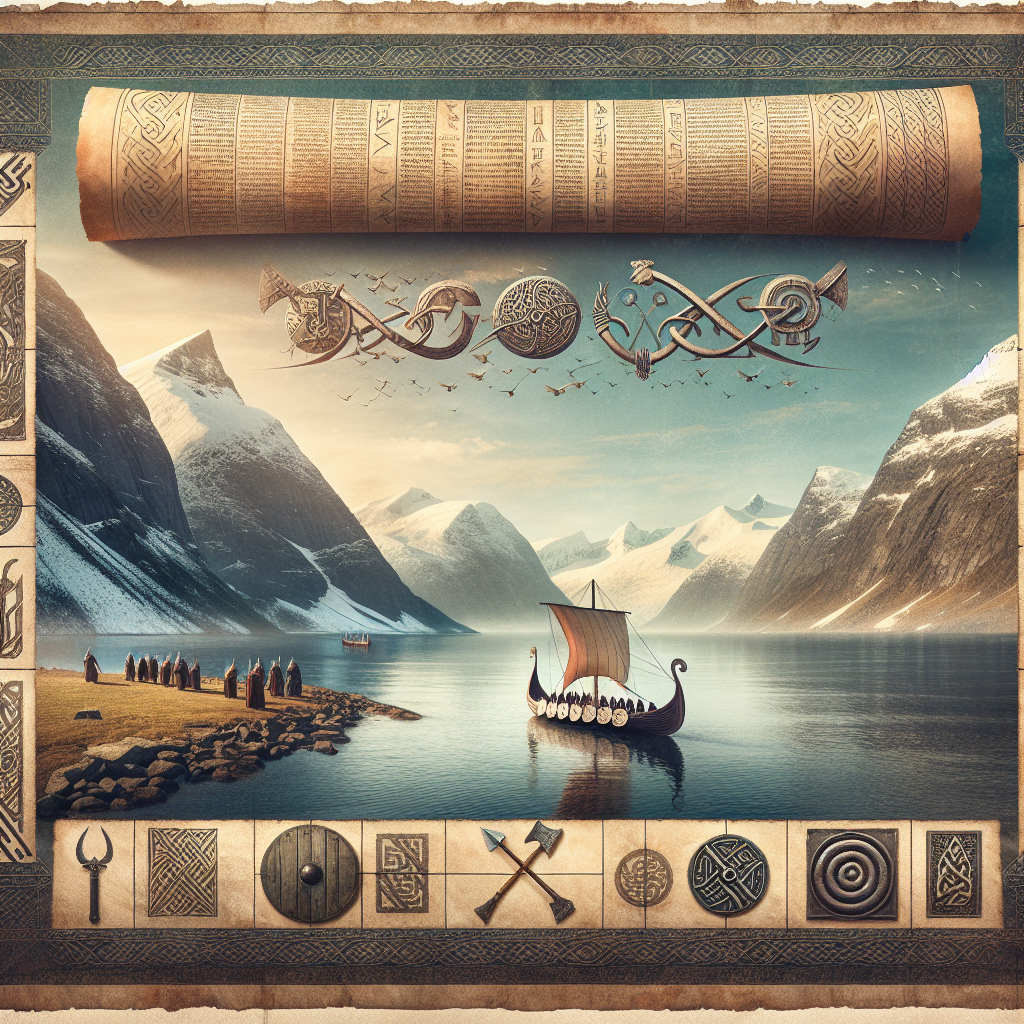
Norse mythology, often characterized by its majestic tales of gods and heroes, is an intricate tapestry woven from oral traditions that predates written records. Before the advent of the Viking Age and the subsequent Christianization of Scandinavia, ancient Norse societies relied heavily on oral storytelling to convey their beliefs, values, and history. The unwritten myths they carried in their minds and hearts served as both entertainment and a means of preserving their cultural identity in an ever-changing world.
The Nature of Oral Traditions
Oral traditions are communal stories, myths, and histories passed down from generation to generation through spoken word rather than written texts. They are characterized by their fluid nature; storytellers could adapt the tales to suit their audiences, making them dynamic and living manifestations of culture. This flexibility ensured that the stories remained relevant, reflecting the evolving societal norms and values of the Norse people.
The oral tradition served several purposes. It was a means of education, imparting moral lessons and societal values. It also functioned as a way to bond communities, as shared stories foster deep connections between individuals. In Norse culture, the communal aspect of storytelling was essential, as gatherings often centered around tales of gods, heroes, and legendary feats. The ebb and flow of oral storytelling created an environment rich in creativity and participation, allowing listeners to engage with the narrative actively.
The Role of the Skalds
At the heart of the Norse oral tradition were the skalds—poet-singers who held a revered position in society. These artists were not only entertainers but also historians and cultural custodians. The skalds were well-versed in a complex system of poetic forms and metaphors, often using kennings—compound expressions used in place of a name (like “whale-road” for ocean)—to enrich their storytelling.
Skalds played a crucial role in preserving the myths and legends of the gods and heroes. Their performances were integral to feasts and gatherings, where they recited long-form poetry that immortalized battles, raids, and the deeds of both historical and mythological figures. The skill of the skald was highly prized, as storytelling was seen as a noble pursuit that conveyed honor and valor.
The Gods and Their Tales
Central to Norse oral traditions are the stories of the gods—Odin, Thor, Freyja, and Loki, to name a few. These deities were not just distant figures; they were intimately tied to the everyday lives of the Norse people, embodying both human-like traits and the grandeur of the divine. Each god had rich narratives associated with them, filled with conflict, passion, and moral teachings.
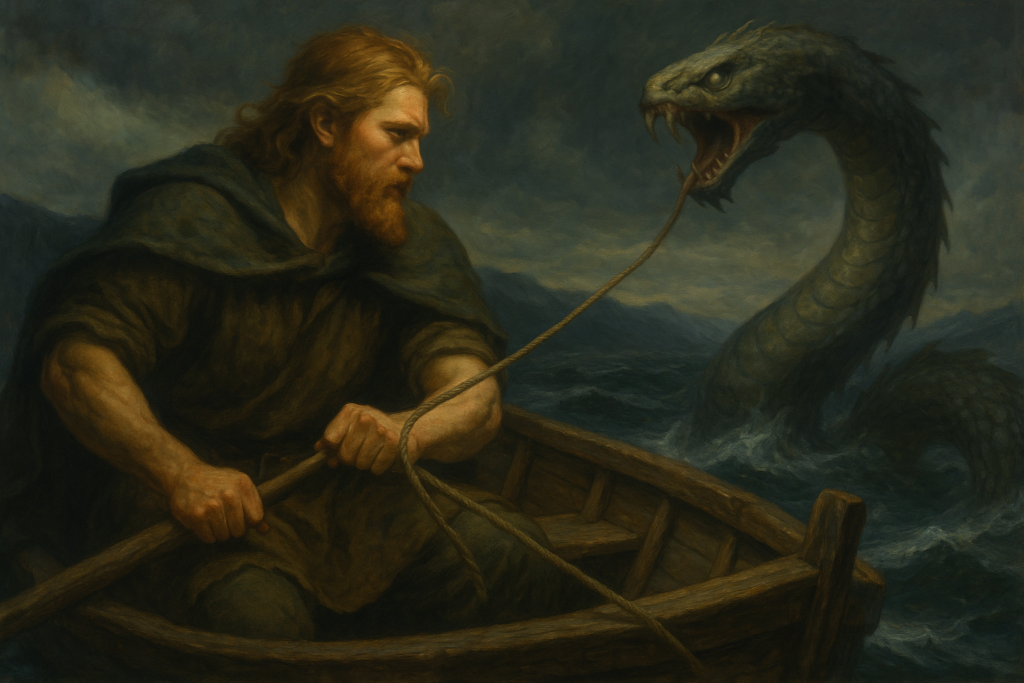
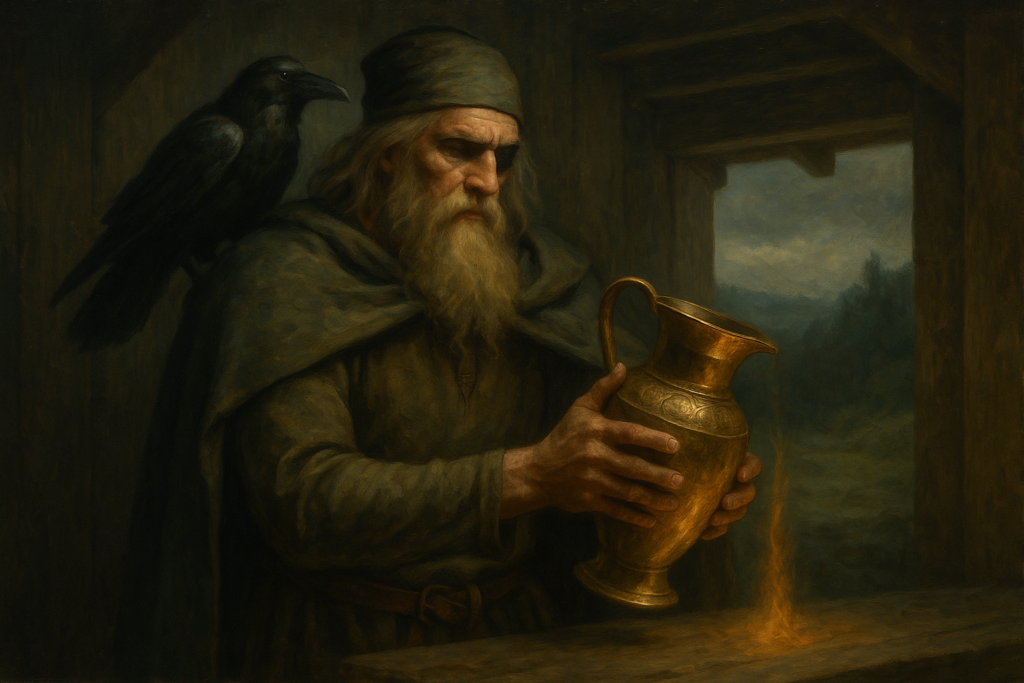
Take Odin, the Allfather, for instance. His tales often revolve around sacrifice, wisdom, and the quest for knowledge. He sacrificed an eye to drink from Mimir’s well, granting him unparalleled wisdom—a narrative that illustrates the value of knowledge and sacrifice in achieving one’s goals. Thor, the thunder god, represents strength and protection, with tales of his battles against giants embodying the eternal struggle between order and chaos.
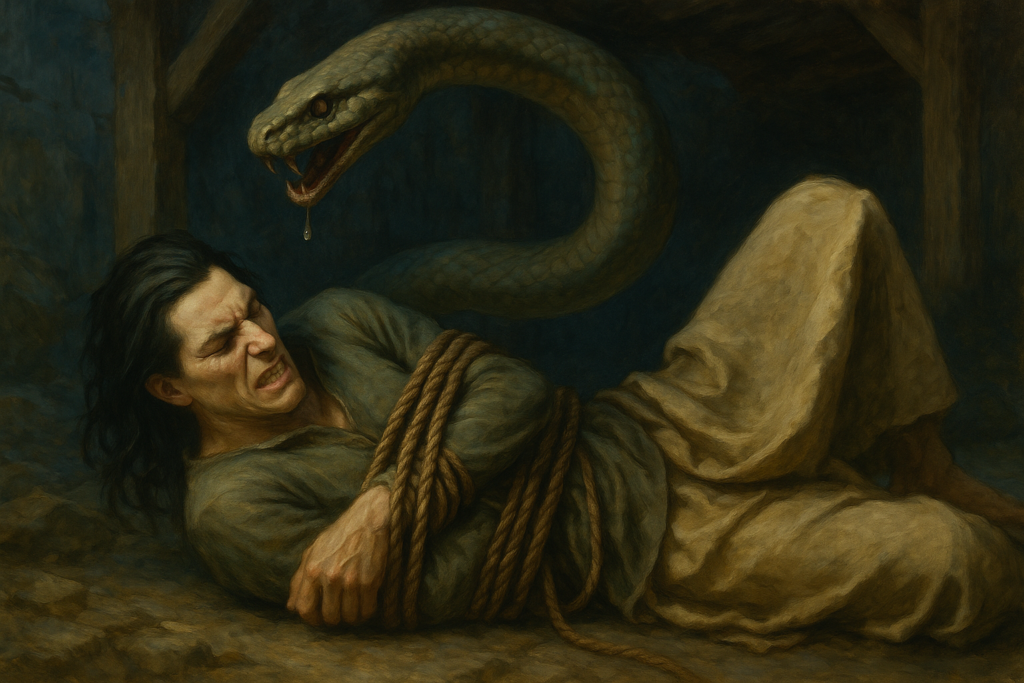
Loki’s stories, on the other hand, are rife with trickery and transformation, often highlighting the consequences of deceit and the unpredictable nature of existence. These narratives not only entertained but also provided moral lessons, elucidating the virtues and vices of human behavior within the framework of a complex divine hierarchy.
The Creation and End Times
The Norse cosmos is rich with tales of creation and destruction, interwoven with themes of fate and destiny. The creation myth, narrated in the Prose Edda, speaks of the emergence of the world from the body of the slain giant Ymir, a story that captures the essence of transformation and rebirth. This cyclical nature of existence is further emphasized in the narratives surrounding Ragnarök—the apocalyptic battle that signifies the end of the world and the subsequent rebirth of a new one.
Such staggering events in Norse mythic time reflect deep existential questions faced by the culture. The inevitability of fate—personified by the Norns who weave the fates of gods and men—meant that life was seen as both predestined and ponderous, echoing the human experience of navigating an uncertain world. These stories offered a framework for understanding life’s joys and tribulations, allowing a community to find solace in the shared experience of inevitable change.
Guardians of Memory: The Impact of Christianity
The arrival of Christianity altered the landscape of oral traditions and myth-making in Northern Europe. As Christian missionaries introduced a new set of beliefs, the importance of preserving traditional tales became paramount. In the face of this monumental cultural shift, the Norse people began to record their oral stories, leading to the creation of texts like the Eddas and sagas that we know today.
However, this transition did not entirely erase the oral tradition. Instead, it led to a fascinating dialectic where old myths were reframed, repurposed, and often blended with new Christian ideas. Elements of Norse mythology persisted in folklore, fairy tales, and popular culture, resonating through generations and ensuring that the essence of these ancient stories remained alive.
Conclusion: The Enduring Legacy
The unwritten myths at the core of Norse culture exemplify the power of storytelling as a form of cultural preservation. These oral traditions forged a rich narrative heritage that reflected the complexities of existence, community, and the human condition. Even in a modern context, the echoes of these tales resonate through literature, art, and popular media, capturing the imaginations of people worldwide.
In exploring the oral traditions of Norse culture, we gain insights into the values, fears, and aspirations of a society that utilized storytelling as both a means of understanding the world and a way to shape its future. These tales, carried by skalds, shaped not only the lives of those who heard them but also continue to inspire contemporary audiences, underscoring the timeless nature of myths and the enduring power of storytelling.