Feminine Power in Norse Mythology: Goddesses and Sorceresses

Norse mythology, rich in its tapestry of gods, heroes, and epic tales, presents a complex interplay of power that extends beyond mere masculinity. Among the pantheon, the feminine figures—goddesses and sorceresses—embody potent attributes that challenge traditional notions of strength and influence. Exploring the roles, characteristics, and stories of these formidable women illuminates the multifaceted nature of feminine power within this ancient belief system.
The Pantheon of Goddesses
Frigg: The All-Seer
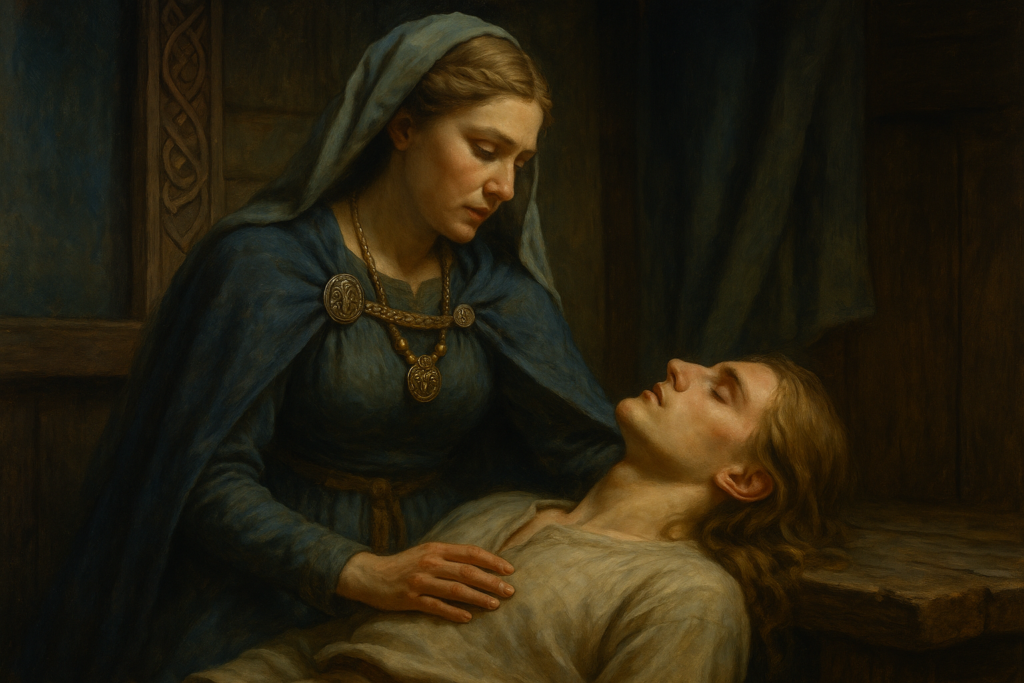
At the forefront of the Norse pantheon is Frigg, the wife of Odin and the queen of the Aesir. Known as the goddess of motherhood, marriage, and fidelity, Frigg also possesses the alarming ability to foresee the future. This gift, however, comes with significant burdens, as foreknowledge can often lead to despair. Her role illustrates the duality of feminine power—her wisdom both supports and isolates her. Frigg’s narrative exemplifies how women in Norse mythology wield power not just through direct action but also through insight and emotional depth.
Freyja: The Warrior and the Sorceress
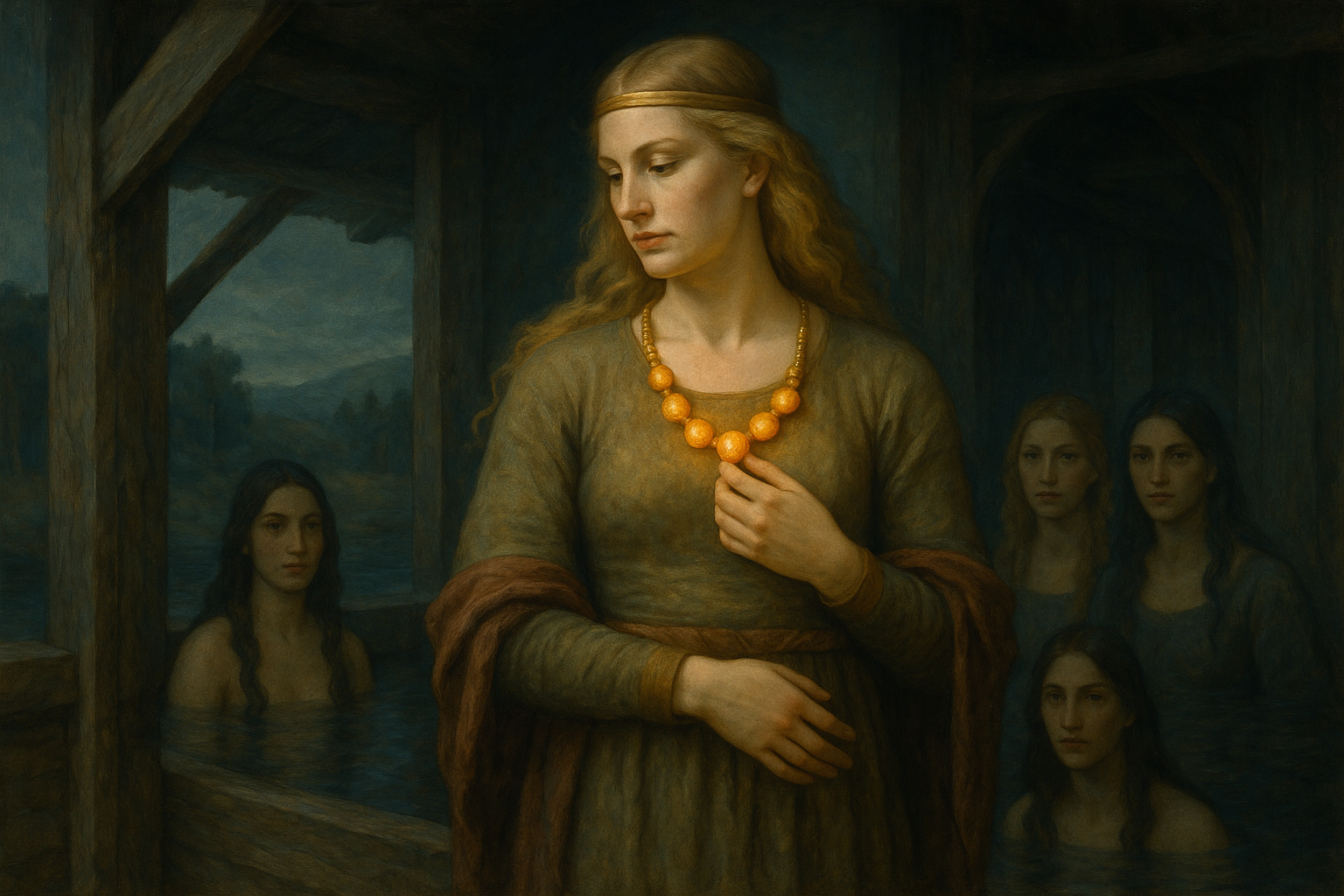
Freyja, another prominent goddess, embodies multiple aspects of femininity—love, beauty, fertility, and war. She is often depicted as a warrior, leading the Valkyries in battles and selecting those who would die or live. Freyja’s ability to wield swords and her command over Valkyries challenge the stereotypical image of women in ancient myths as passive figures. Moreover, Freyja is adept in seidr, a form of sorcery associated with fate and manipulation, which grants her not just warrior-like prowess but also cunning and intelligence. This complexity makes her one of the most compelling divine figures, bridging the worlds of love, war, and magic.
Skadi: The Huntswoman
Skadi, the goddess associated with winter and hunting, also lives on the fringes of traditional femininity. A giantess with immense strength, she defies expectations by choosing her own husband—Njord—through a contest that tested the prowess of the gods. Skadi’s narrative emphasizes autonomy and the ability to navigate one’s destiny, showcasing a powerful woman who transcends her circumstances and informs her choices. Her skills in hunting also highlight a connection to nature, revealing a different kind of feminine power rooted in survival, independence, and physical strength.
Sorcery and Mystique: The Role of Seeresses
The Völva: Oracle of Fate
Seeresses, or völvas, also emerge as central figures in Norse mythology. These women are often depicted as wise and mystical, possessing knowledge of the past, present, and future. With their innate connection to the spiritual realm, völvas are sought after for counsel in times of crisis. Their practices involve rituals and trance-like states, revealing a form of power derived from insight and spiritual wisdom. The völva embodies the archaic understanding of femininity as intuitiveness and connection to the cosmos, presenting femininity as mystical and powerful.
Hermod, the Seeress
Another significant sorceress figure is Hermod, known for her attempts to rescue the beloved god Baldr from the underworld. She exhibits bravery and determination, traversing the realms to seek out help. Though Hermod’s story is often overshadowed by the larger narratives of gods, her action reinforces the theme of women acting decisively in adversity. The courage she embodies is a reminder that feminine power includes agency, resourcefulness, and emotional strength.
Feminine Connections to Fate and Destiny
One of the defining features of feminine power in Norse mythology is the deep connection to fate. The Norns—representing past, present, and future—are three enigmatic female figures who weave the destiny of gods and men alike. With their significant control over the threads of life, the Norns stand as powerful arbiters of fate, emphasizing the idea that femininity is closely tied to the metaphysical realm.
The Norns: Wielders of Fate
In literature, the Norns—Urd, Verdandi, and Skuld—represent not just the threads of individual lives but also the collective destiny of the universe. Their role complicates the narrative of power; while they wield it, they remain bound by their fundamental purpose. Their nature signifies an acceptance that fate can both empower and constrain, giving depth to the notion of feminine power as not purely about agency but also about understanding one’s place within a larger cosmic order.
Cultural Impact and Legacy
The exploration of feminine power in Norse mythology does not exist in a vacuum. These narratives have permeated modern culture, influencing literature, film, and art. The complexities of female figures in these ancient stories continue to gain relevance, challenging patriarchal interpretations of power and agency. As modern readers reinterpret these themes, they find resonance in contemporary discussions of gender equality and the diverse forms of strength.
Reawakening Goddess Power
In recent years, there has been a resurgence of interest in feminine figures from Norse mythology. Artistic portrayals and literature often highlight goddesses and sorceresses as embodiments of resilience and independence. Social movements advocating for women’s rights align with these narratives, celebrating the multifaceted expressions of feminine power that exist historically and in contemporary society.
Conclusion
Feminine power in Norse mythology is a rich and nuanced concept. The stories of goddesses and sorceresses reveal complex portrayals of strength, autonomy, and insight that challenge traditional gender roles. Figures like Frigg, Freyja, and Skadi embody multiple dimensions of femininity—nurturing, warlike, or mystical—all valuable in their own rights. Through the lens of ancient narratives, we can glean vital insights about the nature of power, agency, and identity. As we elevate these voices, we contribute to a broader understanding of feminine dynamics that can inspire future generations to embrace a more inclusive view of strength and empowerment.