The Norse Creation Cycle: Life, Death, and Rebirth
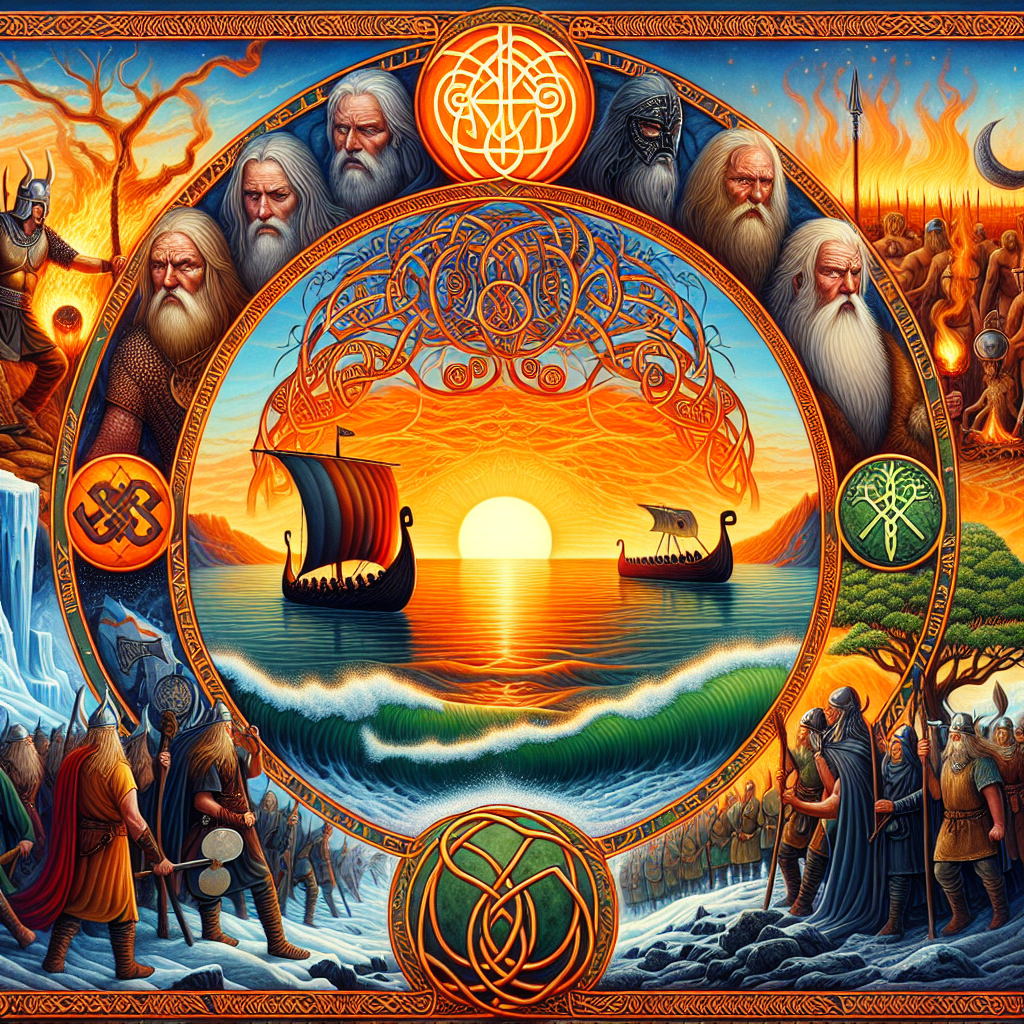
The rich tapestry of Norse mythology is woven with threads of creation, destruction, and renewal. Central to this cosmology is the concept of a cyclical existence where life, death, and rebirth are not just intertwined but fundamentally essential to the ongoing narrative of the cosmos. This article delves into the Norse creation cycle, exploring its beginnings in the void of Ginnungagap, the establishment of the Nine Realms, and the eventual doom and rebirth symbolized by Ragnarok.
The Beginning: Ginnungagap and the Emergence of Life
In the beginning, before the world as we know it existed, there was Ginnungagap, a vast, primordial void. According to Norse cosmology, this chasm lay between two worlds: the icy realm of Niflheim to the north, and the fiery realm of Muspelheim to the south. It was from this infinite emptiness that the creation of the world would unfold.
The interaction between the cold of Niflheim and the heat of Muspelheim gave rise to a primordial being named Ymir, the frost giant. His sweat and bodily fluids facilitated the emergence of life. From his flesh came the land; from his bones, the mountains; and from his skull, the sky. The first gods, Odin, Vili, and Ve, emerged as a result of Ymir’s ultimate demise. They killed him, and in their quest to create a habitable world, they fashioned Midgard—the realm of humanity—out of his remains.
The three brothers shaped the world not just from his body, but also imbued it with life. They created the first humans, Ask and Embla, from two tree trunks, instilling them with breath, understanding, and the gift of consciousness. This moment of creation signifies life emerging from the abyss—a common motif across various mythologies, signifying how life can arise even in the most chaotic and inhospitable conditions.
The Cycle of Existence: Life in the Nine Realms
The Nine Realms, as defined in Norse mythology, include Midgard (the human world), Asgard (the realm of the gods), Vanaheim (the realm of fertility), Alfheim (the realm of elves), Niflheim (the realm of ice), Muspelheim (the realm of fire), Svartalfheim (the realm of dwarves), Helheim (the realm of the dead), and Jotunheim (the realm of giants). Each realm serves a unique purpose and contributes to the interconnectedness of life, death, and rebirth.
Life in these realms is marked by duality and balance. The gods, particularly Odin, Thor, Freyja, and Loki, navigate complex relationships with giants, elves, and other creatures. The promotion of life is often met with threats of chaos and destruction. Concepts like fate and the Norns (the three female entities who govern destiny) weave a thread of inevitability through individual existence, emphasizing that life is transient and filled with struggle.
Death: The Underworld and Hel
Death occupies a significant place within Norse mythology. It is not seen merely as an end but as a transition within the continuous cycle. Upon death, souls are believed to journey to different realms based on their deeds in life. Brave warriors who die in battle find themselves in Valhalla, where they prepare for Ragnarok, while those who lead less valorous lives might end up in Hel—ruled by the eponymous goddess Hel, a solemn realm where their existence aligns with their choices.
This notion of death expands the understanding of life. It reinforces the idea that actions carry weight and consequences. The fear of death is counterbalanced by the hope of legacy and remembrance. In a culture that cherished valor, the notion of dying in battle furnished a kind of immortality; thus, death was not the end, but a transformation leading to a continuation in a different realm.
The Cataclysm: Ragnarok
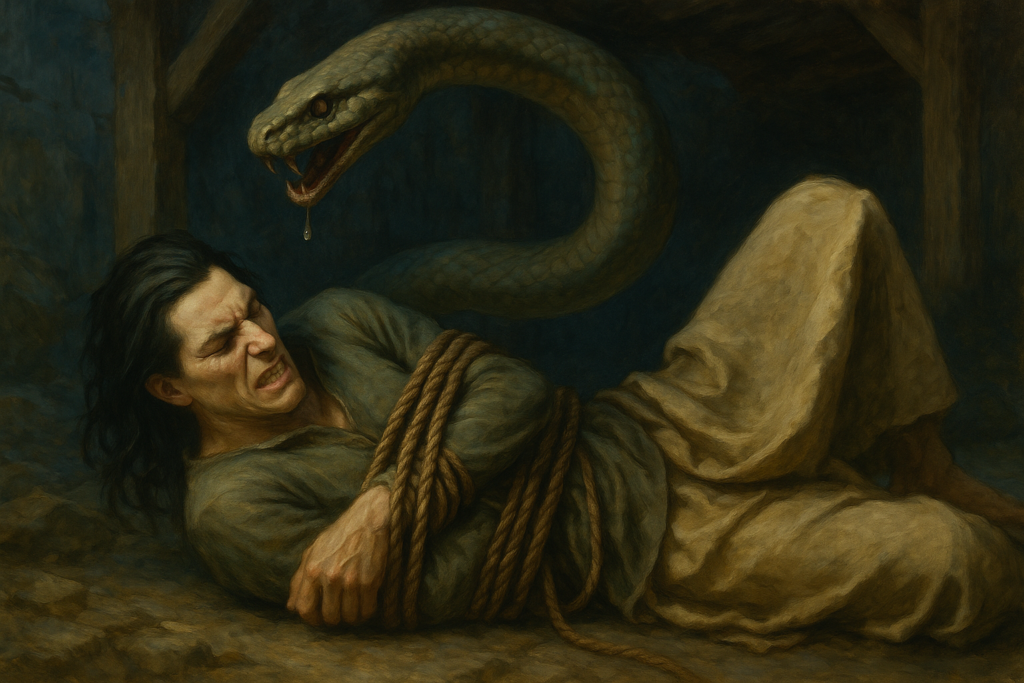
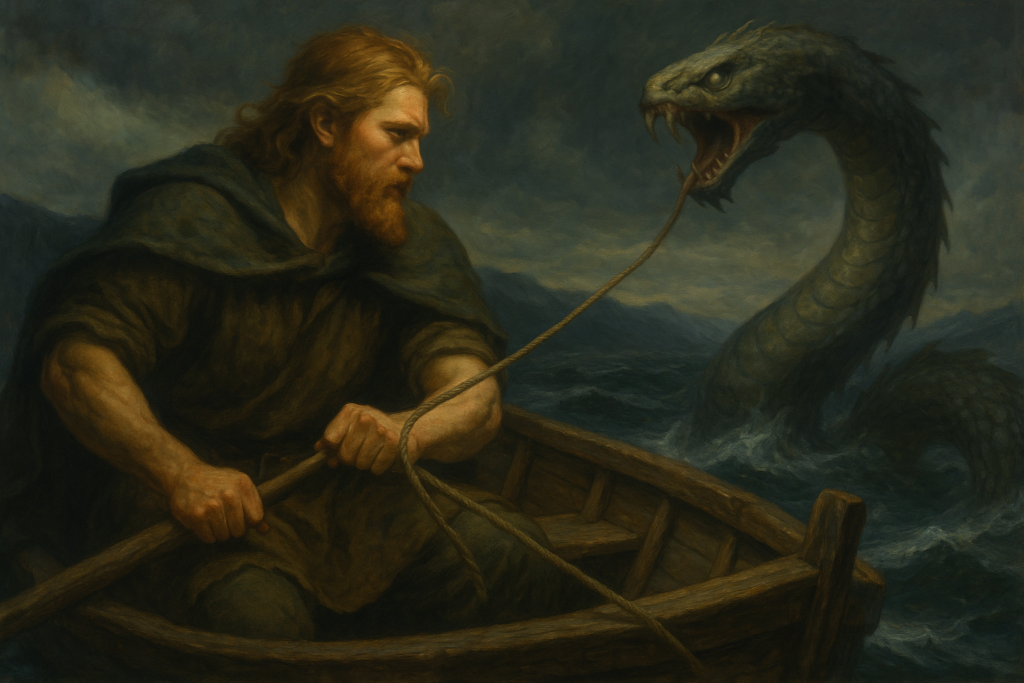
The Norse creation cycle inevitably leads to its own undoing in a cataclysmic event known as Ragnarok. This “Twilight of the Gods” represents not merely destruction but a necessary step toward renewal. The prophesized battle marks the end of many gods, including Odin, Thor, and Loki, against monstrous figures like Fenrir the wolf, Jormungandr the serpent, and the giants of Jotunheim.
Ragnarok symbolizes the cyclical nature of existence. The conflicts result in a devastating end, highlighted by fire and water cleansing the world, leading to destruction. However, this event is not viewed pessimistically. Instead, it sets the stage for rebirth. Following the calamity, Norse mythology describes a rebirth of the world: lush, fertile lands emerge from the ashes, and the surviving gods, along with two human survivors, embark on the task of reestablishing order and populating the Earth anew.
The cycle of life, death, and rebirth culminates in this interconnected narrative, signifying that every end begets a new beginning. Just like the changing of seasons, the Norse believed that existence unfolds in cycles that embrace both destruction and regeneration.
Conclusion: The Enduring Legacy of the Creation Cycle
The Norse creation cycle embodies more than a series of mythological events; it reflects deeper truths about existence, the struggles of life, the inevitability of death, and the hope of rebirth. It reiterates the importance of understanding our place within a larger cosmic order while acknowledging the transience of existence.
Today, these themes resonate deeply, reminding us that life is a continuous journey shaped by our actions, relationships, and the rhythms of nature. In exploring the Norse creation cycle, we find not just myth but profound wisdom about the human experience, an eternal dance of life that underscores the beauty, tragedy, and ultimately, the hope that arises from destruction. As we face our own endings and beginnings, the teachings of Norse mythology endure, urging us to embrace both the momentary and the eternal.