The Deity of the Harvest: Njord and Farm Life
The Deity of the Harvest: Njord and Farm Life
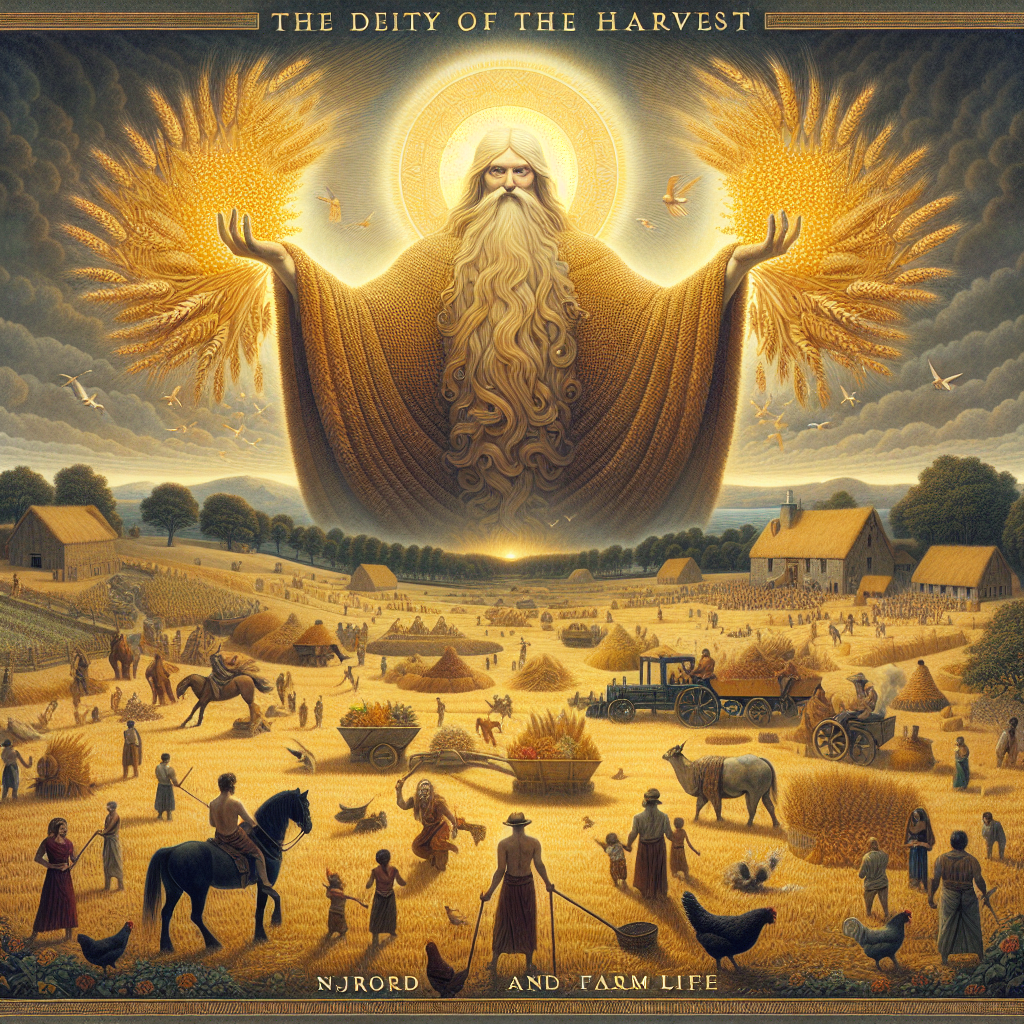
The Norse pantheon is rich with deities that govern various aspects of existence, and among them stands Njord, the god of the sea, winds, and fertility. While he is primarily associated with maritime activities, Njord’s influence extends deeply into agrarian life, particularly in how he affects harvests and farming practices. In Norwegian and other Scandinavian cultures, agricultural success was inextricably linked to spiritual forces, making Njord a significant figure in rural life. This article explores Njord’s role in farm life, examining his symbolic connections to harvests, fertility, and the community’s spiritual practices.
The Spiritual Landscape of Farming
In traditional agrarian societies, the success of the harvest held profound implications for survival, prosperity, and social order. Farmers recognized that their labors could be bolstered or thwarted by forces beyond their control. Therefore, invoking the favor of deities like Njord was essential. Njord, being a god intimately linked with fertility and bounty, provided farmers with a channel to seek blessings for their fields.
Njord’s relationship with the elements—particularly wind and water—was crucial in temperate Northern Europe, where weather patterns could make or break a farming season. Farmers offered sacrifices and performed rituals during pivotal points in the agricultural calendar, such as the sowing of seeds and the harvest. These practices were aimed at securing Njord’s goodwill, ensuring favorable conditions for growth.
Njord’s Symbolic Representation
Njord is often depicted as a handsome and robust figure, embodying the vitality of life. His attributes, including a boat that sails swiftly through the waves and a deep connection to the sea, symbolize abundance and prosperity. While his maritime associations are evident, the sea also represents a broader concept tied to fertility and growth—elements essential for successful agricultural practices.
In various myths, Njord is mentioned as a father of Freyr and Freyja, two deities of fertility and prosperity. This familial connection further cements his role as a central figure in agricultural prosperity. The offerings made to Njord were often accompanied by the ritualistic invocation of his children, reinforcing the triangular relationship between the god, his offspring, and the community’s farming endeavors.
Farming Rituals and Ceremonies
Rituals honoring Njord are documented in various sagas and folklore, indicating that agricultural communities had a rich tapestry of ceremonial practices dedicated to him. The “blóts,” or sacrificial offerings, held during the spring equinox and the harvest festival were crucial. These ceremonies often involved feasting, singing, and dancing, as well as the sacrifice of animals to secure hearty crops.
The importance of communal participation in these rituals cannot be overstated. Farming in Norse society was a communal activity, with families and neighbors often collaborating in the sowing and harvesting of crops. Festivals dedicated to Njord would serve to strengthen social ties, foster cooperation, and reinforce cultural identity.
In addition to blóts, the ancient Norse practiced “sumbels,” ritual toasts to deities and ancestors, during which they would raise a horn or a cup and call upon Njord’s blessings. These communal gatherings typically sought to ensure a bountiful harvest while fostering a spirit of gratitude and acknowledgment of the divine forces at play in their lives.
Njord and Agricultural Cycles
Njord’s influence in agriculture reflects the cyclical nature of farming, with an intrinsic tie to seasonal changes. Each season brought its own set of rituals aimed at harnessing Njord’s blessings. Spring, the time for sowing, was significant, as farmers would pray for enough rain and sunshine to nurture the seeds. Njord was often invoked at this time, reflecting a deep understanding of the interconnectedness of all life.
As summer approached, the commitment to Njord continued through maintenance rituals aimed at promoting growth and health for the developing crops. It was believed that misalignment with Njord’s desires could bring crop failure or pestilence, further emphasizing the urgency of these observances.
Finally, during the harvest season, farmers would express gratitude for the abundance bestowed upon them. Celebrations would typically include communal feasting, where the fruits of labor would be shared, honoring Njord for his role in ensuring a successful season. The cycle culminated in the acknowledgment of Njord’s divine presence, a relationship built on trust, respect, and reciprocity between the deity and the farming community.
Legacy and Cultural Implications
As the agrarian lifestyle gave way to urbanization and modernization, the explicit worship of Njord waned. Yet, echoes of his influence remain embedded in cultural rituals and expressions surrounding farming. Harvest festivals, even today, display remnants of agricultural practices that echo Njord’s blessings.
Folktales, music, and literature often reference Njord as a symbol of prosperity and bounty, reminding contemporary audiences of the ancient beliefs that once shaped rural life. In addition, Njord’s narrative resonates within environmental movements today, which often highlight the interconnectedness of nature, human endeavor, and the need for sustainable farming practices.
Conclusion
Njord’s significance in the realm of farming warrants recognition beyond mere mythology. His role reflects a broader understanding of how ancient cultures engaged with their environment and the spiritual dimensions that surrounded their existence. The rituals, ceremonies, and communal practices that honored Njord underscore a deep respect for the cycles of nature and the unseen forces that govern them.
As we navigate modern agriculture and its challenges, the lessons of Njord and the ancient Norse can provide us with insights into sustainable practices rooted in gratitude and reverence for the earth. In a world increasingly disconnected from agricultural roots, the legacy of deities like Njord serves as a profound reminder of the symbiotic relationship between humanity and nature.