Reconstructing Norse Mythology: Challenges and Approaches
Reconstructing Norse Mythology: Challenges and Approaches
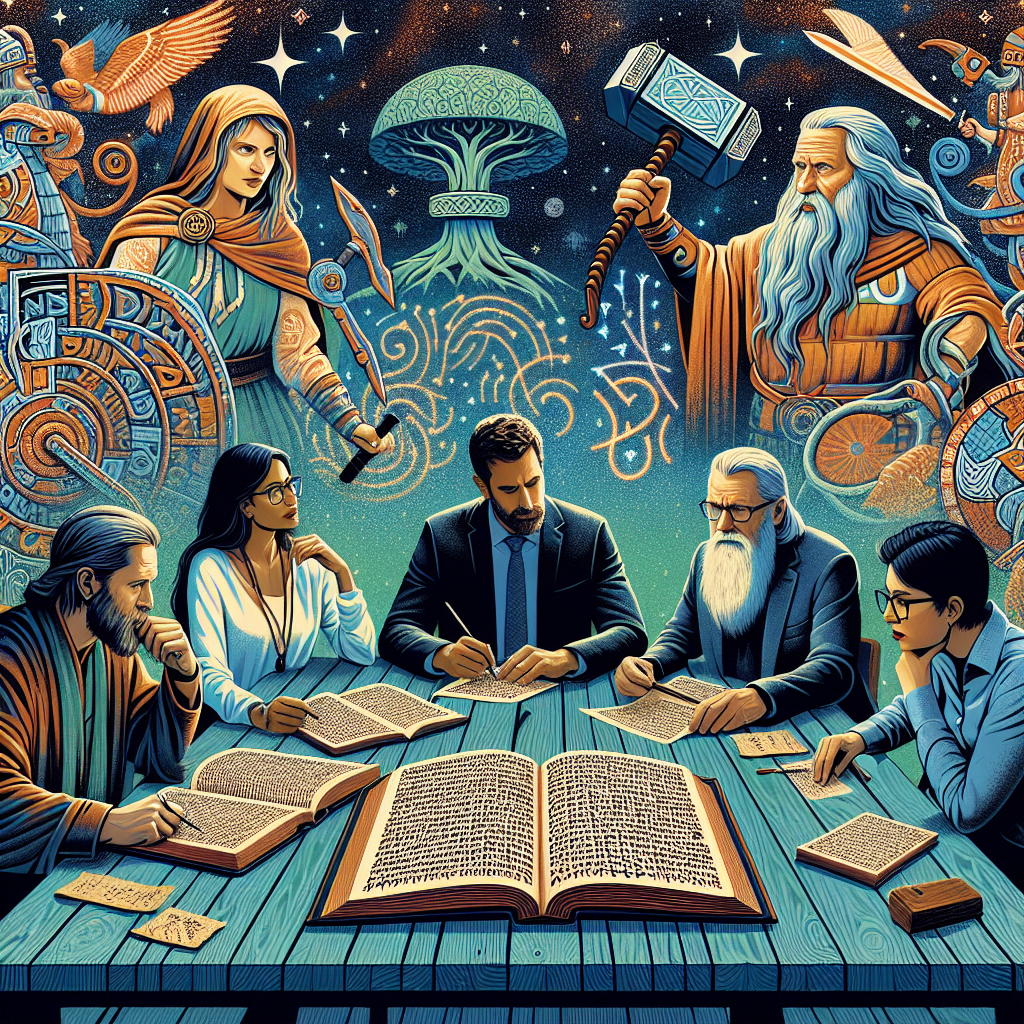
Norse mythology, a rich tapestry of gods, heroes, and cosmic narratives, has captivated scholars, enthusiasts, and the general public alike. With its origins in the oral traditions of pre-Christian Scandinavia, the Norse mythos offers insights into the values, beliefs, and worldview of the Norse people. However, reconstructing this mythology poses unique challenges, compounded by the fragmented nature of the sources available to scholars. This article examines the obstacles involved in reconstructing Norse mythology and the various approaches that have been employed to address these complexities.
The Sources of Norse Mythology
The primary sources for Norse mythology include the Poetic Edda, a collection of verses compiled in the 13th century, and the Prose Edda, a narrative work by Snorri Sturluson, also written in the 13th century. These texts were produced after the Christianization of Scandinavia, leading to various interpretations and distortions of the original myths. Additionally, sagas, archaeological findings, and place names provide supplementary materials, yet each source presents its own limitations and biases.
-
Fragmentation of Sources: The Eddas are not exhaustive; many myths are only partially preserved, leaving gaps that modern scholars must fill in. This fragmentation complicates efforts to create a cohesive narrative of Norse cosmology, as overlapping stories or themes may be found across different sources. Scholars must carefully sift through these layers to differentiate between authentic archaic elements and later interpolations.
-
Interpretation Challenges: The Eddas are written in Old Norse, a language that poses significant translation challenges. Subtle nuances, connotations, or double meanings can be lost or misinterpreted in translation. Furthermore, the medieval context in which these texts were written can obscure their original intent and meaning.
-
Christian Influence: The shift to Christianity in Scandinavia fundamentally transformed the cultural landscape, leading to adaptations of former beliefs. The Christian scribes who recorded these myths often sought to reinterpret them through a Christian lens. As a result, what remains may reflect more the biases of the medieval writers than the actual beliefs of pre-Christian Scandinavians.
Approaches to Reconstruction
Despite these challenges, several approaches have emerged in the scholarly community to aid in the reconstruction of Norse mythology.
-
Comparative Mythology: Scholars often employ comparative methods to draw parallels between Norse myths and those of other cultures. This approach can reveal shared motifs, archetypal characters, and narrative structures, providing greater context for understanding Norse mythological elements. By comparing texts from Indo-European and other mythological traditions, researchers can trace the evolution of specific themes and motifs, offering insights into their origins and significance.
-
Archaeological Evidence: Excavations of burial sites, temples, and artifacts contribute to the understanding of Norse beliefs and practices. Decorative elements, runestones, and religious artifacts can provide tangible links to the mythological traditions. For instance, the discovery of a Viking burial ship laden with symbolic items offers material evidence of the beliefs surrounding the afterlife, hinting at narratives that may have been part of the oral tradition.
-
Linguistic Analysis: Studying the etymology of Old Norse words can also shed light on mythological meanings. Words derived from ancient roots may reveal deeper cultural significance or associations that were lost in translation. Understanding the linguistic evolution of mythological terms can help illuminate the ways in which they were conceptualized and understood.
-
Interdisciplinary Approaches: A multidisciplinary framework can enhance our understanding of Norse mythology. By incorporating insights from anthropology, sociology, and psychology, scholars can explore how these myths functioned within their societal context. This approach delves into how myths informed social structures, moral codes, and cultural identity, thereby broadening the scope of reconstruction efforts.
-
Creative Interpretation: Literature, art, and popular culture frequently reimagine Norse mythology, providing modern interpretations that resonate with contemporary audiences. While not historically accurate, these adaptations can inspire interest in the original myths and stimulate scholarly dialogue. For example, the surge in popularity of Norse themes in modern fantasy literature and film has rekindled interest in the source material, leading new generations to engage with ancient narratives.
The Role of Community and Tradition
It’s essential to acknowledge modern Norse pagan communities, such as Ásatrúarfélagið in Iceland, which seek to revive and practice ancient traditions. These communities often rely on reconstructed mythologies drawn from available historical evidence, personal inspiration, and contemporary spiritual needs. Their interpretations reflect a dynamic and evolving understanding of Norse mythology, contributing to its living tradition.
However, it is crucial for scholars to approach these communities with caution and respect, ensuring that their academic rigor is balanced with an understanding of the spiritual significance that these myths hold for practitioners today.
Concluding Thoughts
Reconstructing Norse mythology is a complex, multilayered endeavor fraught with challenges. Through careful examination of primary sources, interdisciplinary approaches, and engagement with modern interpretations, scholars strive to piece together an understanding of the rich pantheon and narratives that shaped Norse culture.
Ultimately, the effort to reconstruct Norse mythology is not solely an academic pursuit; it is a means to explore the human experience across time, to connect with ancient narratives that continue to resonate today, and to reflect on how myths shape our identities and worldviews. As new discoveries emerge and perspectives evolve, the journey of understanding these ancient stories is an ongoing and ever-enriching process.