Tragic Heroes and Antiheroes in Norse Lore
Norse mythology is a rich tapestry of stories that encompass a wide array of characters, ranging from the noble to the villainous. Among these, the concepts of tragic heroes and antiheroes stand out, offering compelling narratives that explore the human condition, moral ambiguity, and the consequences of hubris. This article delves into the complex figures within Norse lore, examining the traits that define them and the universal themes that resonate through their tales.
Defining Tragic Heroes and Antiheroes
Tragic Heroes are typically characterized by their noble qualities, yet they possess a flaw, or “hamartia,” that leads to their downfall. This is a central theme in many ancient narratives, wherein the hero’s tragic fate evokes a sense of pity and fear.
Antiheroes, on the other hand, challenge the traditional notion of heroism. Unlike the noble tragic hero, an antihero may lack conventional traits of courage or morality. They often operate in morally gray areas, complicating the audience’s understanding of heroism and righteousness.
In Norse mythology, both figures illustrate profound lessons about fate, sacrifice, and the complexities of human nature.
Tragic Heroes in Norse Lore
1. Sigurd the Dragon Slayer
One of the most iconic tragic heroes in Norse mythology is Sigurd (or Siegfried in Old German texts). Sigurd is renowned for slaying the dragon Fafnir, an act that grants him both glory and immense treasure. However, his story is riddled with tragedy. The kiss of the valkyrie Brynhildr, the ominous prophecy surrounding him, and ultimately, betrayal by those he trusted lead to his demise. Sigurd’s tragic flaw lies in his naivety and his inability to escape the fate set before him.
His tale warns of the dangers of pride and the inescapability of destiny, exemplifying how even the mightiest warrior cannot avoid the consequences of their actions.
2. Baldr the Beautiful
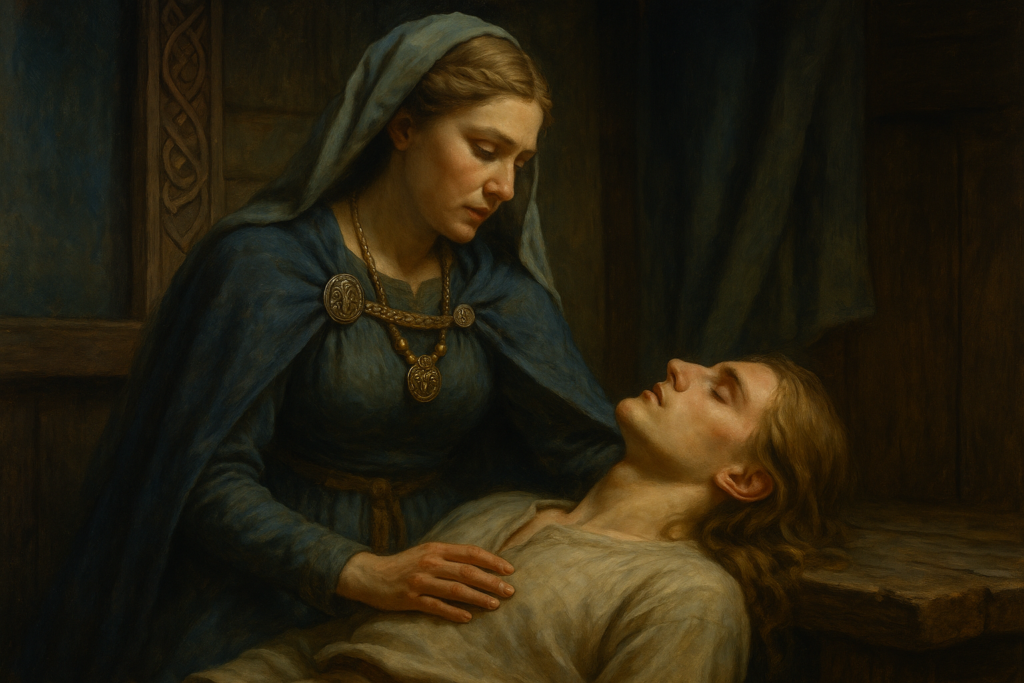
Baldr, the god of light and purity, is another quintessential tragic hero. Beloved by all, his downfall is prophesied when he experiences a series of disturbing dreams that foreshadow his death. The attempts to protect him, ironically, set the stage for his tragic fate when Loki deceives Hodr, Baldr’s blind brother, into killing him with a mistletoe dart.
Baldr’s death triggers a cataclysmic series of events, leading to Ragnarok—the end of the world in Norse cosmology. His character encapsulates the theme of inevitable fate, showcasing how even those who are pure and beloved can fall victim to tragic circumstances.
Antiheroes in Norse Lore
1. Loki
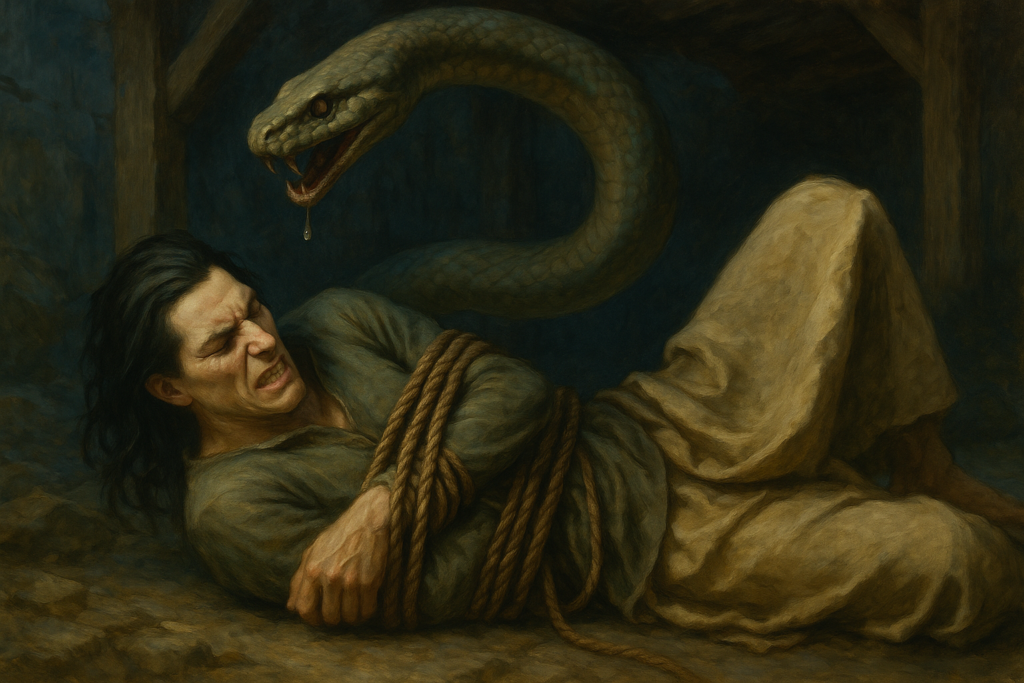
Perhaps the most notorious antihero of Norse mythology is Loki. A complex figure, Loki embodies the duality of chaos and cunning. As a trickster god, he often bends the rules of morality, causing havoc for both gods and mortals. His actions, from the humiliation of the gods to the murder of Baldr, illustrate his moral ambiguity.
While he is responsible for a multitude of mischief, he also helps the gods in their struggles against various foes. Loki’s character allows for exploration of themes such as chaos versus order, highlighting how antiheroes often reflect the darker facets of humanity. Ultimately, his betrayal culminates in him being bound as punishment, highlighting the eventual consequences of unchecked ambition and moral disregard.
2. Hel
Another intriguing antihero is Hel, the ruler of the underworld. Born of Loki and the giantess Angerboda, she is often depicted as being half-living and half-dead, embodying the themes of duality and death. Unlike many traditional views of villainy, Hel possesses a sense of justice and order in her own realm, overseeing the souls who enter her domain.
Her story invites contemplation of death and the afterlife, challenging conventional notions of heroism. Hel acts out of necessity and duty rather than malice, serving as a reminder that antiheroes can fulfill essential roles in the grand narrative.
Universal Themes in Norse Lore
The exploration of tragic heroes and antiheroes in Norse lore reveals several universal themes that resonate beyond the context of mythology.
1. The Inescapability of Fate
A prevailing theme in Norse mythology is the inevitability of fate. Sigurd, Baldr, and even Loki demonstrate the notion that no matter how heroic or cunning one may be, they remain subject to the whims of destiny. This theme serves as a reminder of the limitations of human agency and the complex interplay between choice and predestination.
2. Moral Ambiguity
The characters of Loki and Hel illustrate the idea that morality is not always black and white. Antiheroes often reflect the complexity of human nature, where motivations and actions can be conflicted and contradictory. This moral ambiguity challenges audiences to reconsider their definitions of heroism and villainy.
3. Sacrifice and Loss
Both tragic heroes and antiheroes endure significant loss, whether it be through their own failings or the repercussions of their actions. The stories of Baldr and Sigurd highlight the idea of sacrifice, not only of oneself but also of loved ones. These narratives echo the universal experience of loss and the emotional weight that accompanies it.
Conclusion
Tragic heroes and antiheroes play integral roles in Norse mythology, serving as vessels for profound truths about human nature, morality, and the inexorable march of fate. Through figures like Sigurd, Baldr, Loki, and Hel, these tales invite audiences to grapple with the complexities of existence, challenging preconceived notions of good and evil.
As we reflect on these characters’ journeys, we realize that they resonate beyond their mythological origins, echoing the eternal struggles faced by humanity throughout time. Thus, the legacy of tragic heroes and antiheroes in Norse lore offers timeless lessons on courage, sacrifice, and the enigmatic forces that shape our lives.