Legendary Norse Women: More Than Just Goddesses
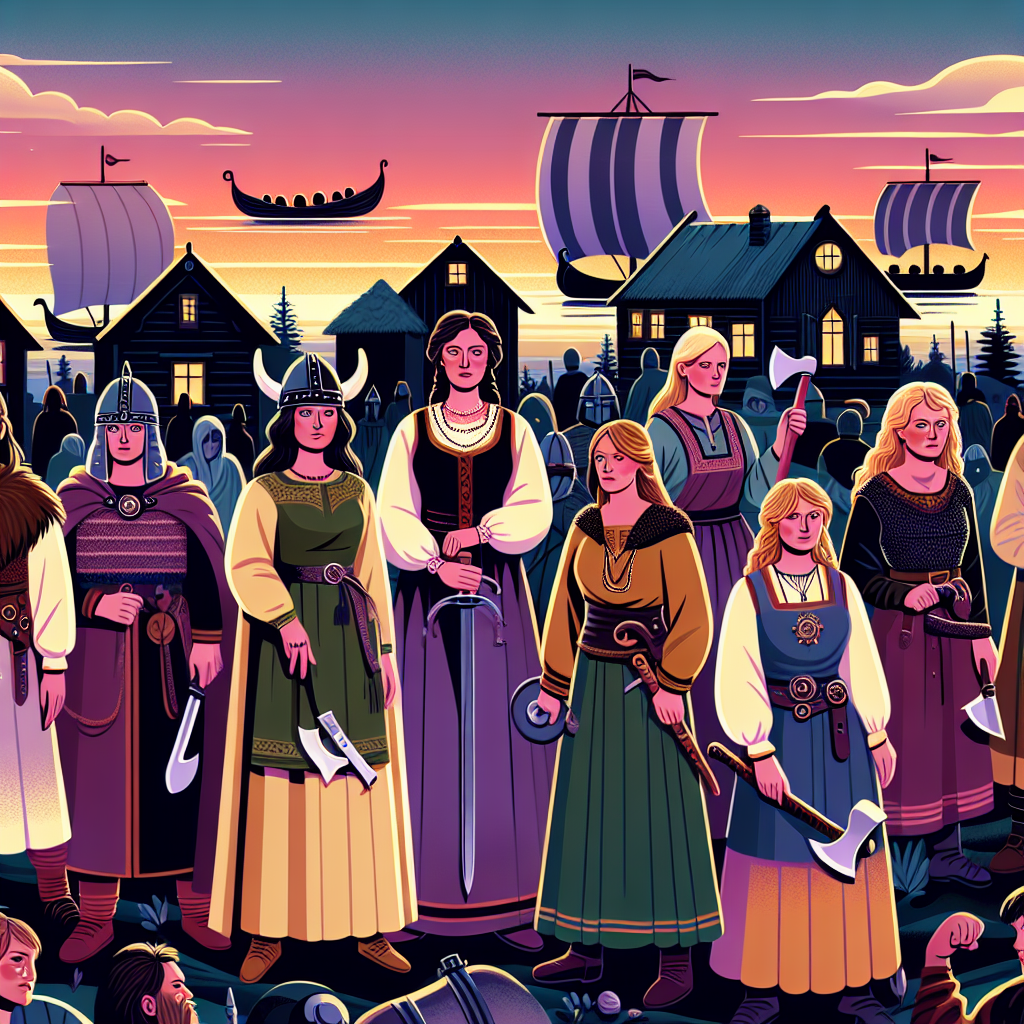
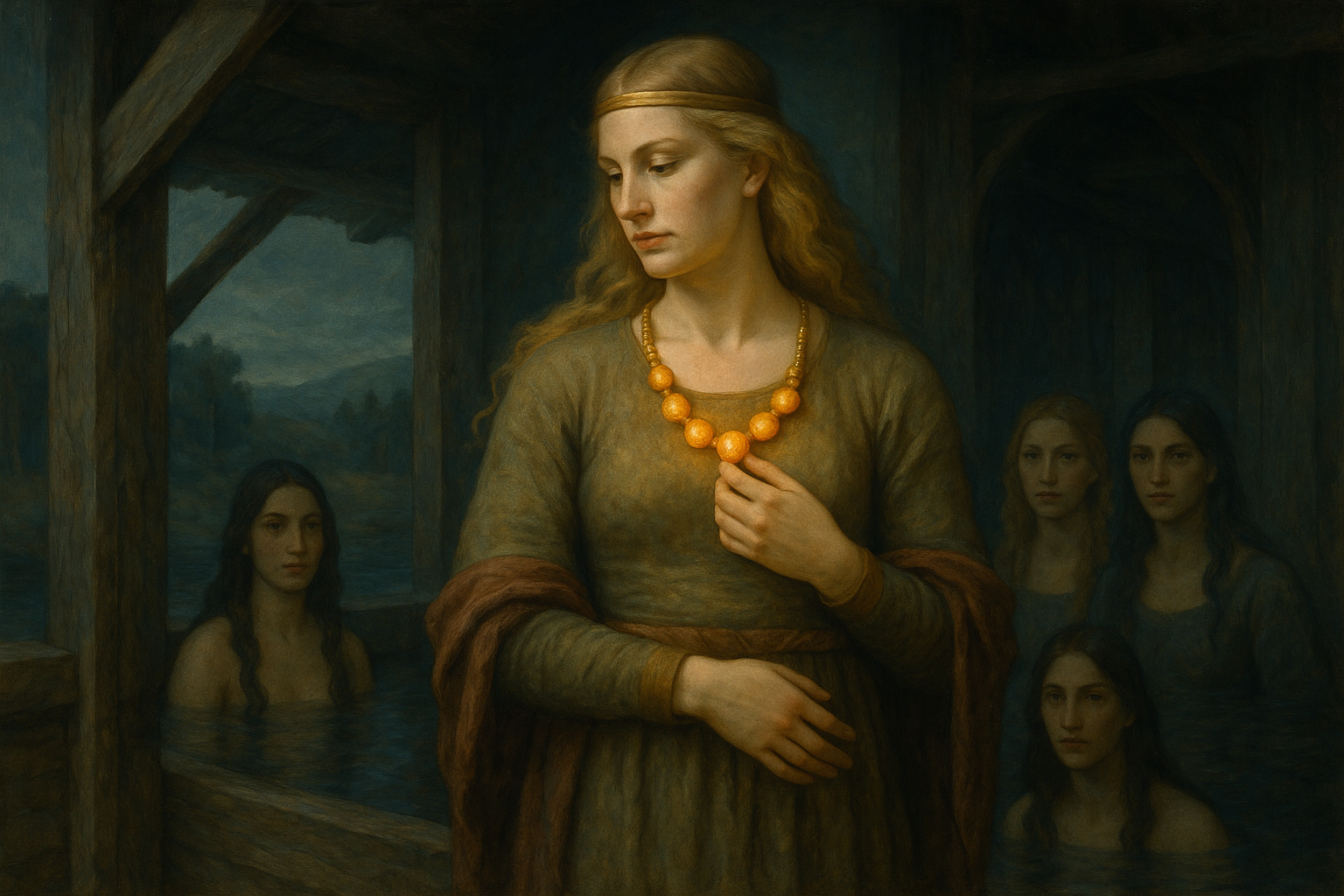
When most people think of Norse mythology, they often envision mighty gods like Odin and Thor wielding their hammers and engaging in epic battles. However, Norse women hold an equally significant yet often underrepresented place in this rich tapestry of myth and history. From fierce shieldmaidens to wise seeresses and influential queens, these legendary women were far more than mere adornments to their male counterparts; they were powerful figures who shaped their worlds and defied societal norms.
Valkyries: The Choosers of the Slain
Among the most iconic figures in Norse mythology are the Valkyries, warrior maidens who served Odin. Their primary role was to choose those who would die in battle and those who would live. This was not merely a role of selecting the fallen; it embodied immense power. Valkyries would escort the souls of the fallen to Valhalla, where they would prepare for Ragnarok, the final battle between gods and giants.
The Valkyries were not merely ethereal beings; they were depicted as strong-willed and courageous. Figures like Brynhildr and Gudrun appear in various sagas as embodiments of valor and complexity. Brynhildr’s tragic story in Volsunga Saga highlights her fierce independence and the consequences of love and betrayal, showcasing a woman who challenges the traditional roles ascribed to femininity in her time.
Shieldmaidens: Warriors in Their Own Right
The concept of shieldmaidens—female warriors who fought alongside men—has captured the imagination for centuries. While there is much debate among historians regarding their historical existence, numerous sagas and archaeological findings suggest that some Norse women indeed took up arms. These women often fought in battles, wielding spears and shields with the same ferocity as their male counterparts.
Figures like Lagertha, a legendary warrior associated with Ragnar Lothbrok, epitomize the fierceness attributable to shieldmaidens. Historical texts describe her as a skilled fighter and a leader, suggesting that women could rise to prominence in a patriarchal society. The idea of women stepping out of traditional roles to become warriors challenges contemporary preconceived notions of gender and warrior culture.
Seeresses: Keepers of Wisdom
In Norse society, women were also revered as seeresses, individuals believed to possess the power of foresight. One of the most famous seeresses is the figure of the völva, who appears in various texts, including the Poetic Edda. Völvas were considered wise women who would practice the art of seidr, a form of sorcery that involved the manipulation of fate and destiny.
The tale of the völva in Völuspá, one of the most important poems in Norse mythology, takes center stage in the narrative of creation and destruction. Through her prophecies, she elucidates the past, present, and future to Odin, showcasing the significant role women played in the spiritual and philosophical dimensions of Norse culture. This connection to the divine and the ability to shape destinies implies that women not only had agency, but their voices were crucial in understanding the cosmos.
Queens and Rulers: Political Powerhouses
While mythological figures like the Valkyries and völvas portray mythical prowess, historical women also made significant contributions to the political landscape of Norse society. Queens such as Thora and Astrid are not only recognized for their marriages to kings but also for their intelligence, diplomacy, and occasional roles as rulers in their own right.
Thora, for instance, played a key role in uniting tribes and negotiating with leaders during her husband’s absence. This ability to influence and rule is exemplified in several sagas where women wield political power, often guiding men and shaping the course of history through their wisdom and strategy.
Moreover, archaeological evidence from burial sites indicates that some women were interred with grave goods typically associated with warriors, suggesting they might have had roles in warfare or leadership, thereby challenging the notion of strictly defined gender roles in Viking Age Scandinavia.
The Idea of Gender and Agency
The valorization of Norse women sheds light on broader themes of gender and agency in ancient cultures. While it is essential to acknowledge that the patriarchal framework pervades Norse society, the existence of these powerful women allows us to reconstruct a more nuanced narrative.
Women in Norse mythology and history carved out spaces for themselves, often defying societal expectations. Their stories urge us to rethink the limitations placed upon women in historical contexts. As leaders, warriors, and seers, these legendary figures serve as vital reminders that female empowerment has roots in every culture, including those considered “barbaric” or “primitive” by contemporary standards.
Conclusion: A Legacy Beyond Legends
The portrayal of legendary Norse women transcends mere mythology; it reflects the complexities and multifaceted roles women played in shaping not just their narratives but the broader cultural context of their time. These women—whether they were Valkyries, shieldmaidens, völvas, or queens—defied the conventions of their society, embodying courage, wisdom, and agency.
As we delve into their stories, we uncover the threads that connect past and present, illustrating that the struggle for recognition, power, and agency among women is a timeless narrative. Their legacies remind us not only of the rich tapestry of Norse mythology but also of the fundamental strength that women possess—an enduring legacy that continues to inspire generations today.