Norse Myths in Popular Media: From Comics to Cinema
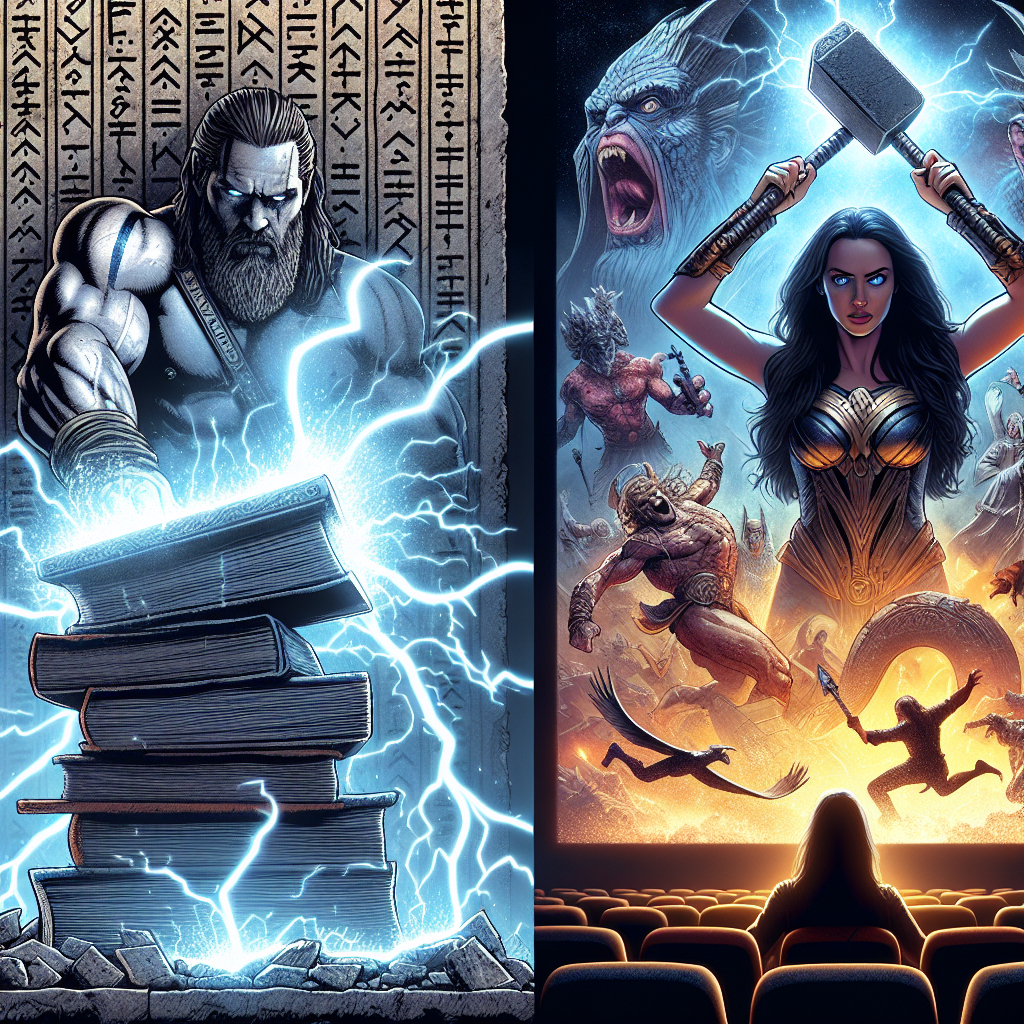
Norse mythology, with its pantheon of gods, intricate tales of heroism, and vivid narratives, has fascinated audiences for centuries. These ancient stories have not only captivated scholars but have also made profound impacts on popular culture, most notably within the realms of comics, cinema, and other media. From the comic book pages showcasing mighty gods to blockbuster films bringing these tales to life, Norse myths offer rich material that continues to inspire modern storytelling.
The Origins of Norse Mythology
Before delving into its contemporary representations, it’s essential to briefly overview Norse mythology. Centered around the Scandinavian region, these myths feature a diverse collection of gods, such as Odin, Thor, Loki, and Freya, along with creatures like giants, elves, and dwarfs. The mythology is primarily documented in texts like the Poetic Edda and the Prose Edda, which narrate epic tales of creation, heroism, betrayal, and the eventual apocalypse known as Ragnarök.
The Rise of Norse Mythology in Comics
Norse mythology found its way into the world of comics in the early 1960s with the introduction of Marvel’s Thor, a character created by writer Stan Lee, scripter Larry Lieber, and artist Jack Kirby. Debuting in Journey into Mystery #83 in 1962, Thor, the God of Thunder, became an indispensable part of the Marvel Universe. His character was reimagined, blending the classic Norse traits with a modern superhero narrative.
Marvel’s Thor maintained many elements from the original myths. He wielded his legendary hammer, Mjölnir, and battled foes from both the mythical realms and modern ones. However, the comics also introduced new characters and storylines, creating an expansive universe that resonated with readers. This portrayal inspired a whole new generation to engage with Norse mythology, encouraging an exploration into the original texts and tales.
Marvel Cinematic Universe and the Resurgence of Interest
The 2011 film Thor, directed by Kenneth Branagh, brought the character from the comic book pages to the big screen, marking the beginning of a renewed interest in Norse mythology. The film’s success led to the character appearing in multiple sequels and crossover films within the Marvel Cinematic Universe (MCU), including The Avengers and Thor: Ragnarok.
Each film interpreted various aspects of Norse mythology while blending them with contemporary themes. In Thor: Ragnarok, director Taika Waititi infused humor and vibrant visuals, adapting the mythological tale of Ragnarok and reimagining it through a comedic lens. This blend not only introduced audiences to Norse myths but also presented them in a way that was relatable and entertaining.
The impact of the MCU on Norse mythology cannot be overstated. It ignited a cultural renaissance, leading to increased interest in Norse themes across various media. Merchandise, video games, and even literature saw an influx of Norse-inspired content, effectively bringing the ancient stories into the pop-culture consciousness.
Video Games: Engaging with Mythology
The video game industry has also turned to Norse mythology, with titles like God of War (2018) making significant waves. The game focuses on Kratos, a character previously associated with Greek mythology, who now traverses the realms of Norse mythology alongside his son, Atreus. The game thoughtfully explores themes of fatherhood, destiny, and myth, while integrating characters and tales from Norse lore.
Players navigate immersive environments inspired by Viking culture, encounter mythological creatures, and witness the intricacies of the Norse gods. This combination of interactive storytelling and engaging gameplay provides a unique avenue for audiences to explore and understand Norse myths more intimately.
Television: Dynamic Representations
Television has also embraced the Norse mythological elements through various shows that portray characters and narratives from these ancient tales. Series like Vikings, created by Michael Hirst, delve into the lives of legendary Norse figures, blending historical elements with mythological aspects. This show not only captivated audiences but also spurred interest in Norse culture and history.
Another notable series is American Gods, adapted from Neil Gaiman’s novel, which presents a modern-day conflict between the old gods of mythology, including Nordic deities like Odin, and the new gods of contemporary society. The series intertwines threads from various mythologies, including Norse, showcasing the relevance of these ancient tales in understanding modern life and belief systems.
Literature and Other Mediums
Beyond comics and visual media, Norse mythology has made its mark on literature. The resurgence of interest has led to a variety of retellings, adaptations, and explorations of Norse myths in novels. Works such as Neil Gaiman’s Norse Mythology deftly retell classic tales with a modern narrative style, making the myths accessible to a broader audience.
Moreover, the influence extends to music, art, and even fashion, with symbols and motifs derived from Norse mythology appearing widely. Bands draw inspiration from myths for their lyrics and imagery, while artists create works that celebrate the grandeur of these ancient tales.
The Cultural Impact: Fostering a Mythological Revival
The integration of Norse mythology into popular media reflects a broader trend of revisiting ancient narratives for contemporary insights. It allows audiences to engage with the themes of heroism, morality, identity, and fate, resonating with modern perspectives and dilemmas.
As Norse myths continue to evolve through comic books, films, video games, and literature, they serve as a bridge between the ancient and the modern. This revival not only entertains but also educates audiences about a rich cultural heritage that shapes our understanding of the world today.
Conclusion: A Timeless Legacy
Norse mythology’s journey from ancient texts to modern media is a testament to the timelessness of these narratives. The blend of fantasy with relatable themes ensures their relevance for generations to come. As creators continue to draw inspiration from these ancient tales, the rich tapestry of Norse mythology will remain woven into the fabric of popular culture, waiting to enchant and inspire new audiences around the world. Whether through the flashy battles of superhero films, the intricate narratives of video games, or the visually stunning storytelling of television series, Norse myths are far from forgotten—they are alive and thriving in an ever-evolving medium.