Exploring the Underworld: Hel’s Domain
In Norse mythology, Hel is a fascinating and often misunderstood figure. Often conflated with the Christian idea of Hell, Hel is a deity, the ruler of the underworld realm also named Hel, where those who die of illness or old age reside. Unlike the fiery pits of hell depicted in other mythologies, Hel’s domain is a place of shadows and cold, offering a nuanced perspective on death and the afterlife in Norse culture.
The Myth of Hel
Hel is the daughter of Loki, the trickster god, and the giantess Angerboda. When the Aesir gods learned of her birth, they were apprehensive. They foresaw that Hel would inherit a significant role in the fate of both gods and men. In an act of foresight and caution, Odin cast her into the underworld, assigning her the responsibility of overseeing the realm of the dead.
The very name “Hel” is derived from the Old Norse word hellir, meaning “cliff” or “hollow,” which paints a picture of a dark, cavernous space that echoes the somber nature of the afterlife. This aligns with the thematic elements of the Norse belief system, where death is not seen as an end but as a transition—a new beginning.
The Realm of Hel
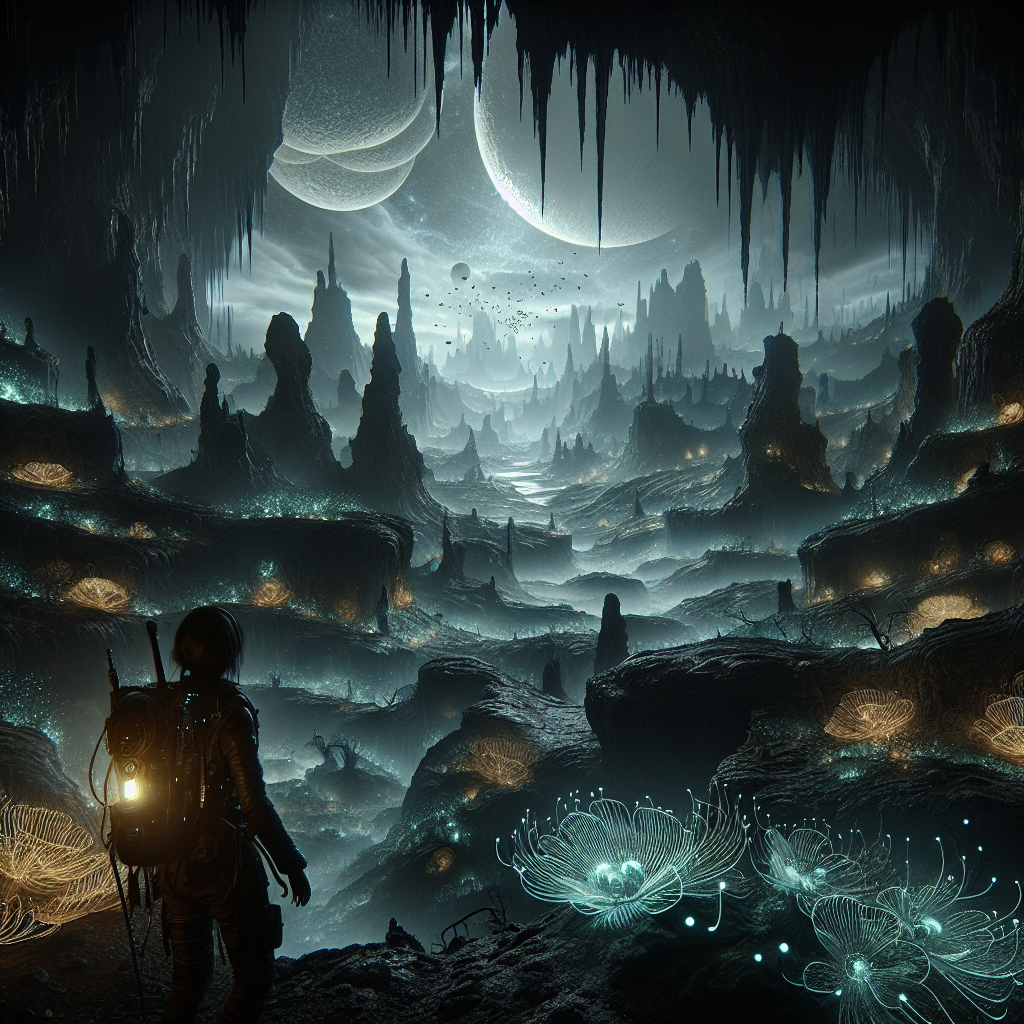
Hel’s domain is often depicted as a cold, desolate place located beneath the roots of Yggdrasil, the World Tree that connects the nine realms of Norse cosmology. The realm is said to be characterized by its bleak landscape, often described as a region of mist and shadows. Unlike the heroic afterlife of Valhalla, where brave warriors are rewarded for their valor in battle, Hel serves as a resting place for those who die from natural causes—elderly individuals or those who succumb to illness.
The Structure of Hel
Hel’s realm is divided into various regions, each with specific meanings and significance. The entrance to Hel is guarded by a massive and imposing gate, over which Hel herself presides. This gate is inscribed with runes and ancient warnings, suggesting that entering this realm is not without its consequences.
Inside, the landscape is dotted with homes that are more like tombs. The inhabitants, mainly those who did not die a heroic death, live in a state of semi-consciousness. Contrary to a place of torment, Hel is more akin to a dream-like state. Death here is treated not as punishment but as a necessary passage.
The Inhabitants of Hel
The souls who inhabit Hel come from various walks of life, signifying an organic acceptance of death. Petty criminals, the unremarkable, and even those who lived life kindly yet without grandeur find their final resting places here. They are not eternally tormented but live in a state of peaceful oblivion, eternally reflecting on the lives they led.
In this way, Hel embraces the transitory nature of life—it does not discriminate but welcomes all who seek rest. Hel’s role as the underworld’s ruler evokes an idea of compassion and understanding rather than outright judgment, contrasting sharply with other mythological interpretations of the afterlife.
Hel and the Cycle of Life
In Norse culture, life and death are interlinked, forming a cycle that emphasizes the continuity of existence. The notion of Hel aligns perfectly with this understanding. Death is not an end; rather, it is a step towards transformation. Understanding Hel invites a shift in perspective toward mortality, urging a respectful acknowledgment of life’s transience.
This cyclical idea is reflective in various Norse texts, including the Prose Edda, where Hel’s significance and the realms of the dead are explored. The narratives often illustrate that even heroes must face death, a fate that aligns them with the common folk and reinforces the inevitability of mortality.
Myths and Legends Involving Hel
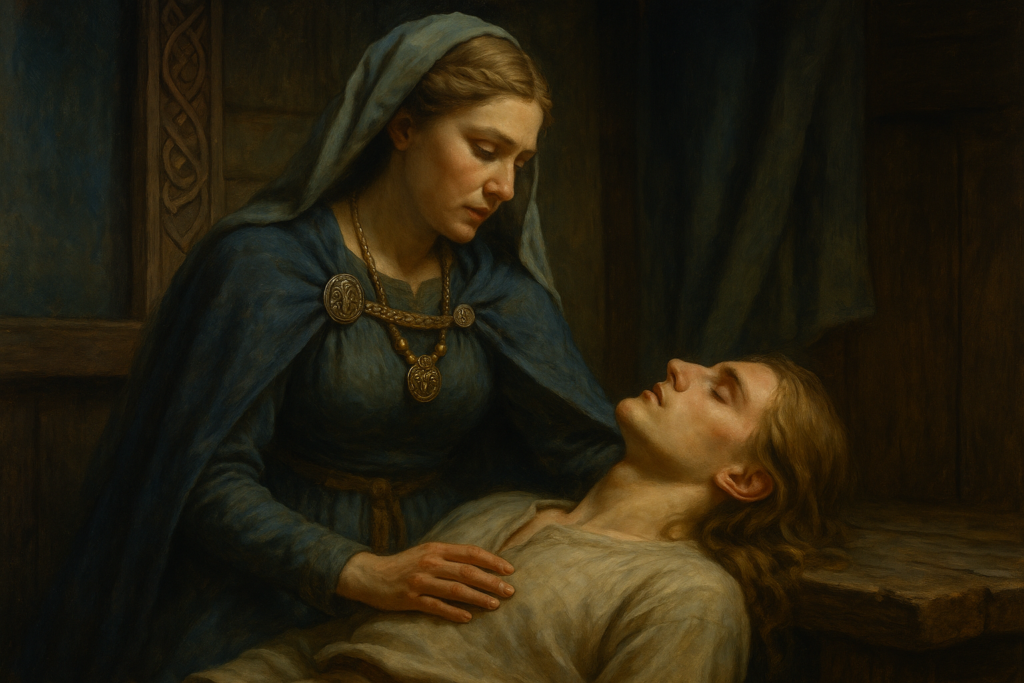
One of the most famous tales involving Hel is the story of Baldr, the god of light and purity. Baldr’s death was prophesied, and his mother, Frigg, sought to protect him. However, Loki’s treachery led to Baldr’s demise. Following Baldr’s death, his grieving mother traveled to Hel in a desperate attempt to bring her son back.
Hel agreed to release Baldr but posed a challenge: if every being in the cosmos wept for him, he could return. While many wept, a giantess named Thokk refused, dooming Baldr to remain in Hel’s domain. This story exemplifies the harsh realities of death within Norse belief, with Hel playing a pivotal role that emphasizes her association as both a guardian and a figure of resolution.
Hel in Modern Culture
In contemporary culture, Hel remains a potent symbol in literature and art. From graphic novels to films, Hel has evolved beyond her mythological roots into a more multifaceted character, often explored in stories that deal with themes of identity, transformation, and acceptance of mortality. Her portrayal has evolved from a mere ruler of the dead to a figure that carries deeper emotional and philosophical weight.
Conclusion
Hel’s domain serves as a powerful reminder of the Norse understanding of life and death. In a culture that cherishes bravery and might, Hel represents a compassionate acknowledgment of the ordinary human experience. Exploring Hel’s domain allows us to confront our own notions of death, life, and what lies beyond, emphasizing that in the dance of existence, every being holds significance in the grand tapestry of life and death. Through her cold, shadowy realm, Hel teaches us that there is dignity in life’s passage and beauty in accepting our fates—no matter how unremarkable they may seem.