Ancient Norse Mythology vs. Modern Interpretations
Ancient Norse Mythology vs. Modern Interpretations
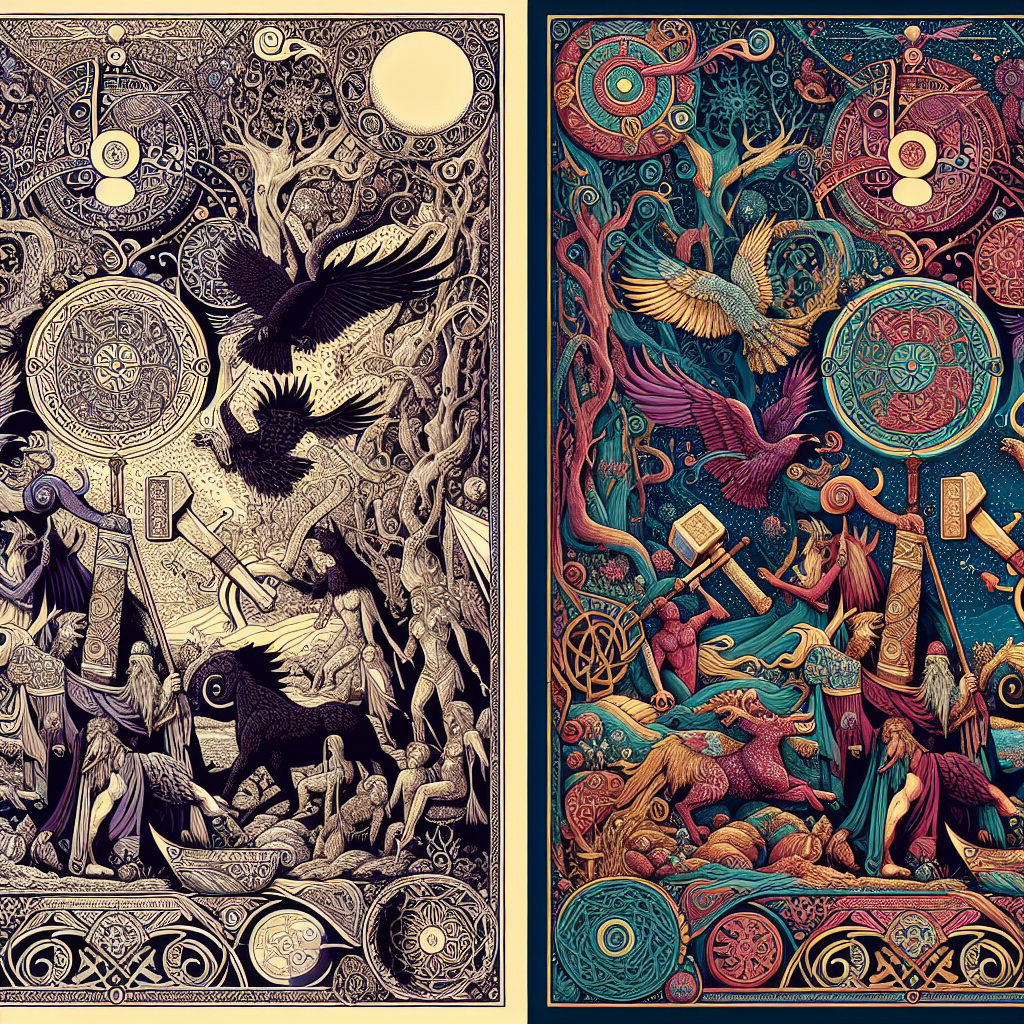
Norse mythology, the rich tapestry of stories from the Nordic countries, has fascinated scholars, writers, and enthusiasts for centuries. Rooted in the oral traditions of the ancient Norse people, these myths offer a glimpse into a fascinating worldview filled with gods, heroes, and creatures that both inspire and intrigue. While the ancient texts like the Poetic Edda and Prose Edda provide us with foundational stories, modern interpretations reflect the changing dynamics of society, culture, and literature. In this exploration, we will delve into the core components of ancient Norse mythology and juxtapose them with contemporary adaptations and reinterpretations.
The Core of Ancient Norse Mythology
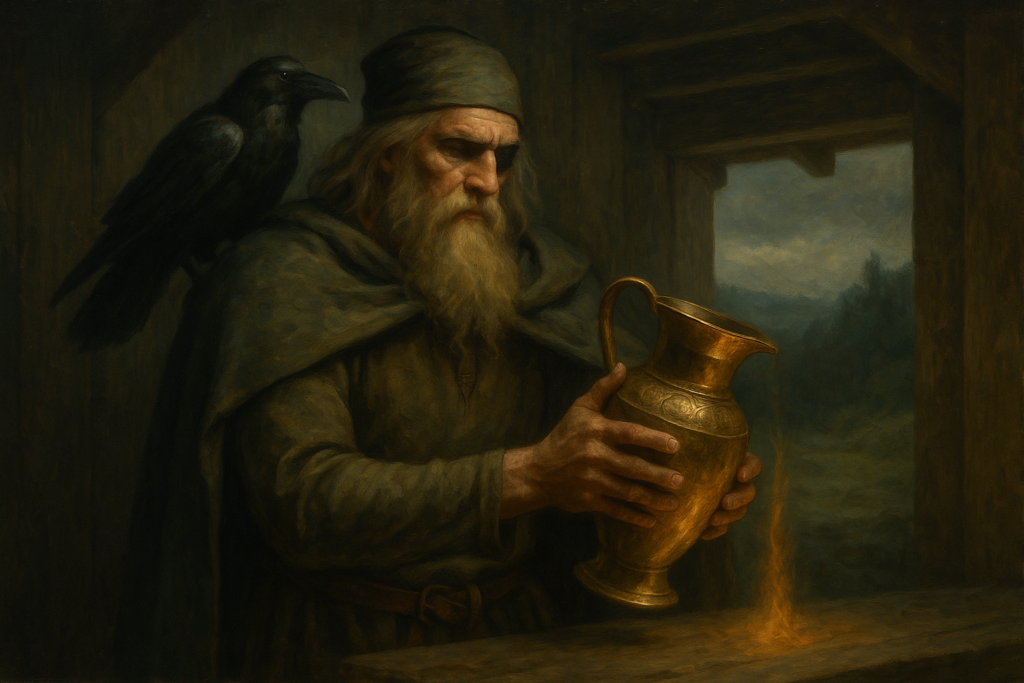
At its heart, Norse mythology revolves around a pantheon of gods, each with distinct personalities and domains. Key figures include Odin, the wise yet often ruthless Allfather; Thor, the thunder god known for his strength and protection; and Freyja, the goddess of love and fertility. These deities navigate a universe defined by cosmic struggles, destined battles (like Ragnarok), and an intricate intermingling of fate and free will.
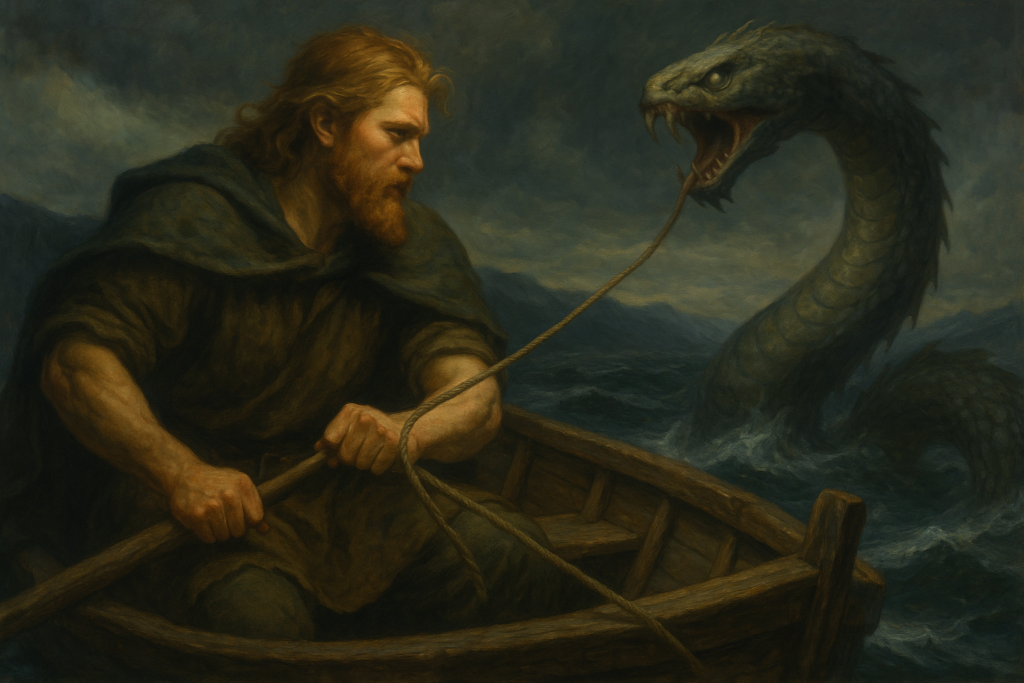
The ancient Norse worldview was deeply embedded in nature, with the nine realms—Midgard (Earth), Asgard (realm of the gods), Hel (land of the dead), and others—illustrating a cosmos that was both beautiful and treacherous. Myths highlight the importance of honor, loyalty, and bravery, essential virtues for navigating a harsh Viking Age reality.
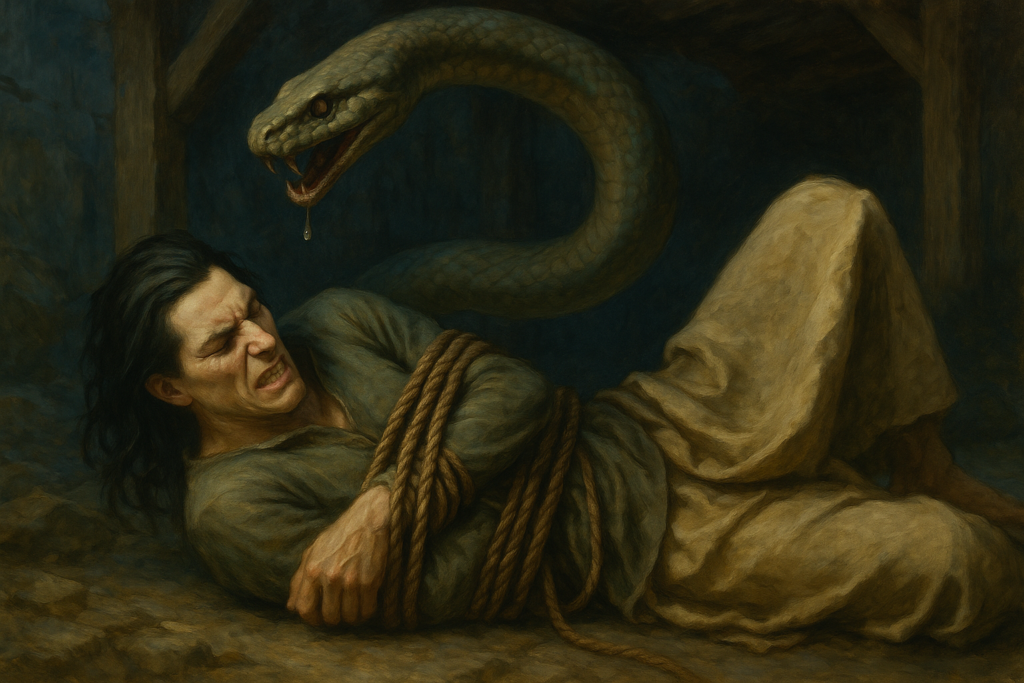
In this ancient framework, even the flawed characters possessed depth. Loki, a god of mischief, is both a friend and a foe to the other gods, adding complexity to the narratives. The cyclical nature of life and death, triumphs and tragedies, is pivotal, with stories often culminating in unresolved tensions, similar to real life.
Modern Interpretations: A New Lens
In contrast, contemporary interpretations of Norse mythology often focus on retelling these ancient stories through different cultural lenses—through fantasy literature, cinema, and even popular culture. Works such as Neil Gaiman’s “Norse Mythology,” Marvel’s cinematic universe, and various video games have transformed these ancient tales into accessible narratives appealing to a broad audience.
Literature and Adaptations
Neil Gaiman’s retelling presents Norse gods in captivating prose, yet he infuses the narrative with modern sensibilities, making it relevant to contemporary readers. His portrayal of Odin as a complex individual grappling with loss and purpose resonates more strongly today than it might have in its ancient context.
Similarly, Rick Riordan’s “Magnus Chase” series combines ancient Norse mythology with elements of young adult fiction, engaging a younger audience interested in epic storytelling and modern themes. By integrating authentic mythological elements into contemporary settings—like high school experiences—Riordan has managed to both educate and entertain.
Film and Television
The modern adaptation of Norse mythology in films is perhaps most notably represented by Marvel’s Thor franchise. While the characters maintain some ties to their ancient roots, they are reimagined to fit into an expansive superhero universe. Thor is portrayed as a charismatic, heroic figure, while Loki is both a villain and a charming anti-hero. This duality resonates with modern audiences struggling to navigate moral complexities in contemporary society.
Video Games and Interactive Media
Video games like “God of War” (2018) provide an interactive way for audiences to engage with Norse mythology. Players are introduced to a universe where old gods clash with new challenges, exploring themes of father-son relationships and the consequences of legacy. The engaging gameplay coupled with rich storytelling allows for an immersive experience that enables players to actively participate in the mythological narrative.
The Divergence of Themes
While ancient narratives often glorify the hero’s journey and the inevitability of fate, modern interpretations tend to emphasize personal choice, morality, and emotional complexity. The darker themes of ancient myths—betrayal, sacrifice, and the inevitability of death—are sometimes softened or reinterpreted, with modern tales often focusing on redemption and the possibility of altering one’s path.
Moreover, the role of women in Norse myths has been re-examined. Figures like Freyja and Idun are frequently depicted as strong, capable deities, but their ancient representations often limited them to subservient roles. Contemporary interpretations tend to elevate these characters, exploring their agency and influence within the mythological framework.
Cultural Impact and Re-evaluation
As interest in Norse mythology has surged in recent years, there is an increasing need to contextualize these stories within a modern framework. This resurgence can partly be attributed to the rise of neo-pagan movements and cultural re-evaluations of Viking heritage that reject racist interpretations of their past. Understanding the ancient myths as part of a broader human narrative allows for a nuanced exploration of themes like identity and resilience that resonate across cultures.
Educators and historians are beginning to highlight the significance of Norse mythology in understanding Nordic cultures, language, and societal values. Workshops, literature courses, and public talks increasingly incorporate the intersection of ancient beliefs with modern societal challenges, emphasizing inclusivity and diverse interpretations.
Conclusion
The interplay between ancient Norse mythology and modern reinterpretations underscores the timeless relevance of these myths. While the core stories remain intact, their retelling reflects changing societal values, cultural expectations, and moral complexities. From Gaiman’s prose to Marvel’s cinematic universe, contemporary adaptations invite new generations to engage with these age-old tales, ensuring that Norse mythology endures in the collective imagination.
As we continue to explore these narratives, we might ask ourselves: How do these ancient stories shape our understanding of ourselves today? The answer lies in the enduring power of myth to resonate across time, illuminating the human experience in all its complexity. Norse mythology, whether in its ancient form or as a modern reinterpretation, remains a significant part of our cultural fabric, challenging and inspiring us to contemplate the profound mysteries of existence.