The Power of Prophecy in Norse Stories
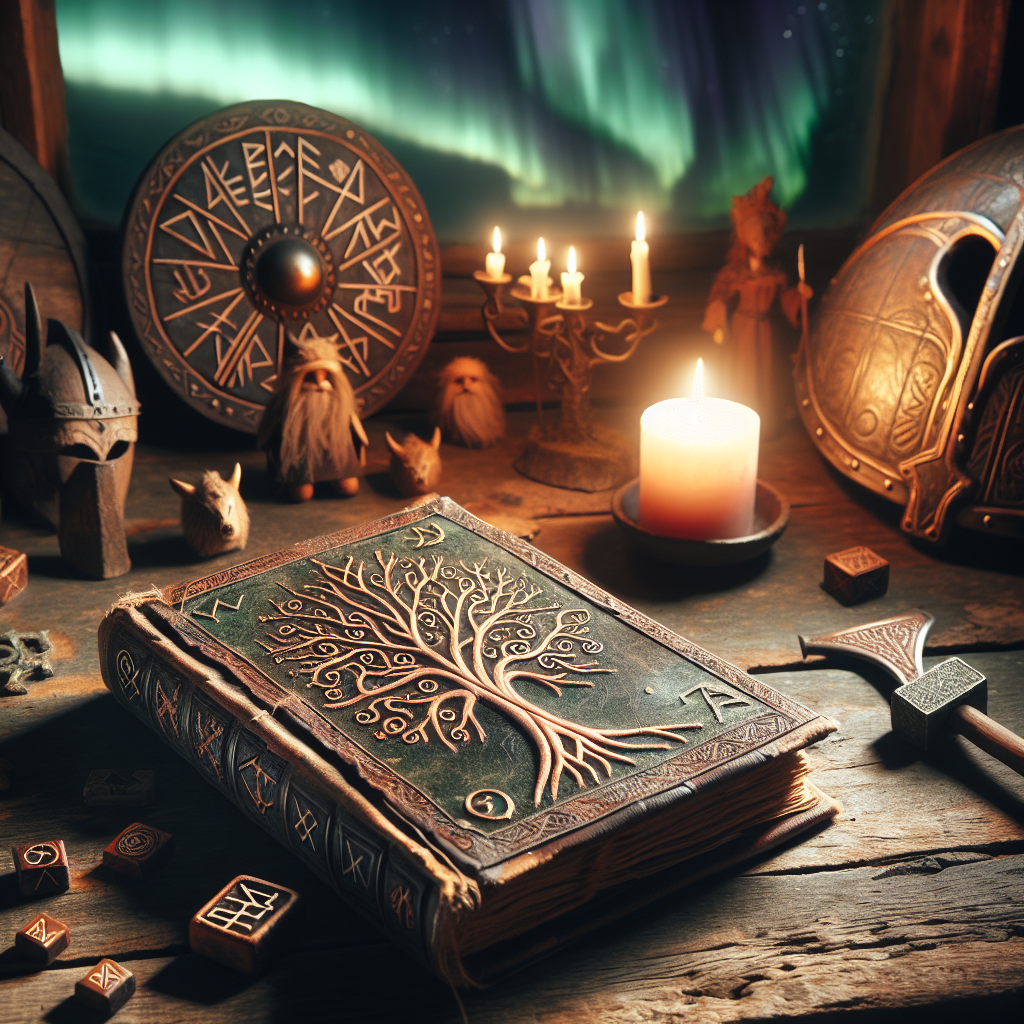
Norse mythology is replete with tales of gods, giants, and mortals, all interwoven with themes of fate and prophecy. Central to the richness of these narratives is the concept of prophecy, which shapes destinies and drives characters toward their inevitable ends. This article delves into the significance of prophecy in Norse stories, exploring its manifestations, purposes, and the philosophical questions it raises about fate and free will.
The Nature of Prophecy in Norse Mythology
In Norse stories, prophecy often serves as a harbinger of events that shape the world. The Norns, three female figures who weave the fate of every being, embody the inescapable nature of destiny. Urd, Verdandi, and Skuld represent the past, present, and future, respectively. They sit by Yggdrasil, the World Tree, casting their threads to establish the destinies of gods and mortals alike. This powerful symbolism illustrates how deeply ingrained the concept of fate is in the Norse worldview.
Prophecies in Norse mythology come in various forms, including omens, dreams, and spoken words from seers and wise figures. One of the most prominent examples comes from the tale of the seeress in the Völuspá, part of the Poetic Edda. In this poem, the seeress recounts the creation of the world, the lives of the gods, and the cataclysmic events leading to Ragnarök—essentially, the end of days. Her vision underscores how prophecies are not just predictions of the future but also reflections of the past and present.
Prophecy as a Motivating Force
The narrative of prophecy propels characters in Norse mythology to action. The foretelling of a certain fate can elicit a range of responses—fear, defiance, and sometimes acceptance. For instance, in The Saga of the Volsungs, the character Sigurd learns of his destiny through various prophecies, including the fate of his ancestors and the power of the cursed gold. His journey to fulfill, confront, or avoid these prophecies becomes the core of the narrative, highlighting that prophecies can inspire both courage and folly.
One notable example is the prophecy received by King Hrolf in Hrolf Kraki’s Saga. King Hrolf is foretold to face great struggles, yet he chooses to embrace his fate rather than evade it. His journey exemplifies how prophecy can serve as a guiding force, compelling individuals to confront challenges rather than succumb to despair.
The Duality of Fate and Free Will
Norse mythology presents a complex interplay between fate and free will. While the Norns weave the fates of all beings, characters often exhibit agency in how they respond to their prophecies. The gods themselves grapple with their destinies, illustrating that even divine beings are bound to the threads of fate. This duality invites contemplation on the limits of free will within the framework of a preordained universe.
Take, for instance, the story of Odin, the All-Father, who seeks knowledge about the future to avert disaster. His quest for wisdom ultimately leads him to the realization that many events are unavoidable, encapsulating the tension between knowing one’s fate and the inability to alter it. Odin’s pursuit reflects a desire not only for control but also for understanding the nature of existence—a theme that resonates with audiences across time and cultures.
The Role of Female Figures in Prophecy
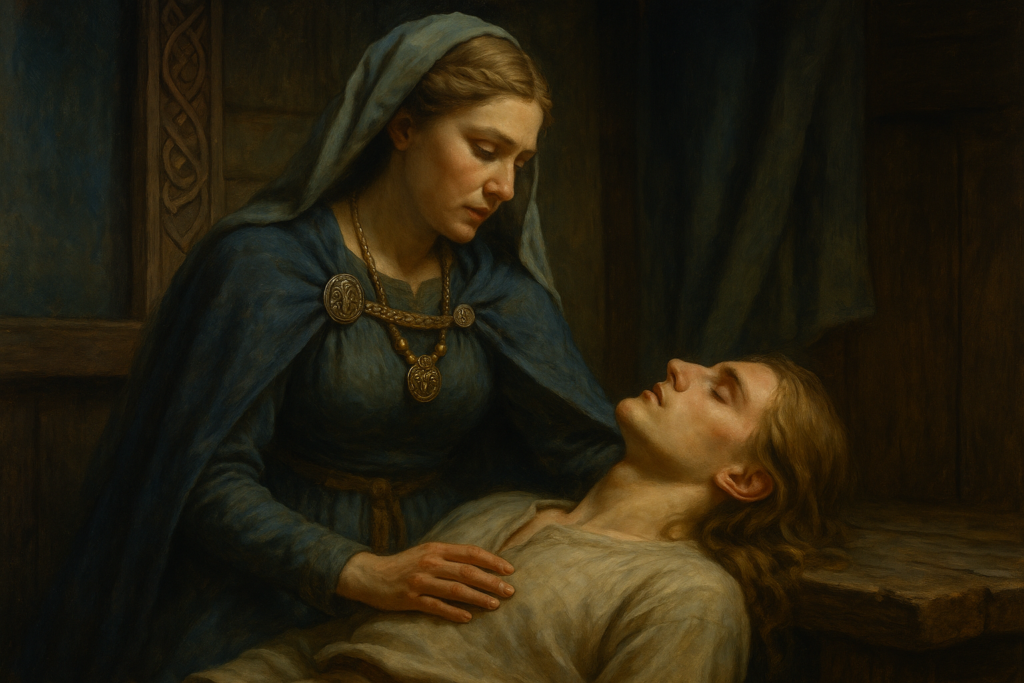
Female figures in Norse mythology often serve as the vessels of prophecy and wisdom. In addition to the Norns, we meet other pivotal characters, such as the seeress in Völuspá. These women are not merely passive beings; instead, they wield considerable power through their foresight. Their prophecies can bring clarity or chaos, impacting the lives of gods and humans alike.
The Valkyries, warrior maidens who choose those who will live or die in battle, also play a prophetic role. They are intimately involved in the fate of warriors, guiding souls to Valhalla—a reflection of the intertwined fates of life and death in Norse culture. Their duality as both harbingers of death and hopeful guides to an afterlife adds another layer to the complex nature of prophecy.
The Consequences of Ignoring Prophecy
In many Norse stories, ignoring or attempting to circumvent prophecy leads to tragic outcomes. This motif reinforces the overarching theme that fate is inescapable. The tale of the tragic hero Sigurd illustrates this point. Sigurd’s attempts to defy prophetic warnings lead to catastrophic events, culminating in betrayal and death. His story serves as a cautionary tale about the dangers of hubris and the folly of believing one can escape destiny.
Prophecy often serves as a warning, a guiding light that characters must heed if they wish to avoid dire outcomes. The repeated cycles of ignoring prophecies followed by terrible consequences have led many scholars to explore the moral implications embedded within these narratives.
The Enduring Legacy of Prophecy
The concept of prophecy in Norse stories extends beyond ancient texts; it continues to resonate in modern literature, film, and art. Works that explore the tension between fate and free will often draw inspiration from these ancient tales. Authors and creators invoke the narrative complexities of prophecies to explore human experiences, from the burdens of foreknowledge to the quest for meaning within the constraints of existence.
The stories serve as a reminder of the power of narratives in shaping our understanding of destiny. They challenge us to confront our own beliefs about fate and choice, ultimately questioning whether our paths are determined or self-chosen.
Conclusion
Prophecy in Norse stories embodies a multifaceted force that shapes characters and events while exploring profound themes of fate and free will. As we experience the intertwining destinies of gods and mortals, we’re invited to ponder our place in the tapestry of existence. The compelling nature of these tales transcends time, affirming the power of storytelling in grappling with the complexities of life, destiny, and the human condition. Through the lens of Norse mythology, we come to appreciate the intricate dance between prophecy and agency, a theme as relevant today as it was in the ancient world.