The Return of the Forgotten: Rediscovering Lost Myths

Throughout human history, myths have served as cultural touchstones, offering explanations for the unexplainable and embedding moral and ethical lessons within compelling narratives. However, as societies evolve, certain myths fade into obscurity, leaving behind only whispers of their once-vibrant existence. In recent years, there has been a significant resurgence of interest in rediscovering these lost myths, reconnecting with our ancestral roots, and examining how these ancient stories can inform contemporary life.
The Importance of Myths
Myths are more than mere tales; they are the foundational structures of culture. They provide frameworks that help individuals navigate their personal and societal experiences. Myths can explain natural phenomena, impart spiritual beliefs, and codify social orders. As sociologist Joseph Campbell famously noted, myths are “the stories we tell to make sense of our lives.” They forge connections between generations, enabling values, traditions, and collective wisdom to transcend time.
In our modern, fast-paced world, the sheer volume of information can overcrowd our appreciation for these stories. The proliferation of digital media often overshadows traditional narratives, resulting in a collective amnesia regarding the significance of many forgotten myths.
The Search for Rediscovery
The process of rediscovering lost myths involves a multifaceted approach, merging archaeological research, anthropology, and modern storytelling. Scholars explore ancient texts, oral traditions, and artifacts to piece together narratives that may have been overlooked. The advent of digital mediums allows for this information to be shared globally, prompting renewed interest in the traditions of diverse cultures.
The Role of Archaeology
Archaeologists play a critical role in unearthing clues to forgotten myths. The excavation of sites, such as the ancient Mesopotamian city of Uruk, has revealed cuneiform tablets containing stories and hymns dedicated to deities like Inanna, shedding light on their complex relationships with humanity and the cosmos. Such discoveries offer insights into the values and beliefs of ancient peoples, inviting contemporary audiences to explore the significance of these narratives.
The Power of Oral Traditions
In addition to archaeological evidence, the revival of oral traditions has been pivotal in the rediscovery of lost myths. Many cultures, particularly Indigenous groups, have preserved their histories through storytelling. These narratives adapt and evolve but hold seeds of ancient knowledge and values. The act of sharing these stories not only revitalizes the myths themselves but also fosters intergenerational dialogue, allowing younger audiences to engage with their cultural heritage.
Literature and documentary filmmaking often serve as platforms for these oral histories. Authors and filmmakers synthesize traditional narratives with modern interpretations, creating accessible formats that resonate with contemporary audiences. For example, the retelling of Native American myths in a modern context allows for deeper reflection on current societal issues such as environmental stewardship and social justice.
Modern Context: Relevance of Lost Myths
The rediscovery of lost myths doesn’t just serve a nostalgic purpose; it has profound implications for contemporary society. Many of these myths grapple with timeless human concerns: love, loss, morality, the quest for identity, and the relationship between humanity and nature. Engaging with these age-old narratives can provide insight into today’s complexities, offering guidance and perspective.
Lessons in Environmentalism
Many ancient myths highlight the intricate bond between people and nature. For instance, Native American myths often emphasize the interconnectedness of life, arguing that humanity must live in harmony with the earth. With the urgent issues of climate change and environmental degradation looming over society, these narratives can inspire a renewed commitment to conservation and sustainability.
Gender Roles and Justice
Lost myths can also challenge contemporary perceptions of gender roles. Many ancient stories feature powerful female deities and figures who subvert traditional expectations. Rediscovering and elevating these narratives allows for a reevaluation of modern gender norms, advocating for equality and justice in our communities.
Consider the tales of matriarchal societies or archetypes of warrior goddesses; these stories can inspire movements for gender equity and empowerment. They remind us of a time when women were revered as leaders and warriors, counteracting the often patriarchal narratives that dominate modern storytelling.
Personal Identity and Cultural Heritage
For many individuals, reconnecting with lost myths can illuminate their personal identities and cultural heritage. As globalization erodes local traditions, there is an increasing desire to reclaim ancestral stories. By embracing these myths, individuals can cultivate a sense of belonging and pride in their cultural lineage.
The Therapeutic Value of Myths
Psychologically, engaging with myths has therapeutic benefits. Storytelling has long been a tool for healing, allowing individuals to process emotions, confront fears, and find meaning in their struggles. Myths resonate on a deep emotional level, acting as mirrors that reflect our personal journeys. They provide archetypes that can aid in self-discovery and personal development, enabling individuals to navigate their life paths with greater clarity.
Conclusion: A Collective Journey Forward
The rediscovery of lost myths is not merely an academic endeavor; it is a collective journey that invites us to explore our roots and engage with fundamental human concerns. As we uncover these stories, we also reclaim the lessons they impart—lessons on love, resilience, and the interconnectedness of life.
In an age characterized by rapid technological advancement and global interconnectedness, the wisdom of forgotten myths can illuminate our path forward. By embracing these narratives, we acknowledge the rich tapestry of human experience, fostering empathy and understanding across cultures and generations. The return of the forgotten serves not only as a testament to our shared humanity but also as a guide for navigating the complexities of modern life. As we delve into these age-old tales, we may very well find that the wisdom of our ancestors is precisely what we need to forge a more compassionate and equitable future.
Recommended reading
These are affiliate links. If you buy through them, we may earn a commission at no extra cost to you.
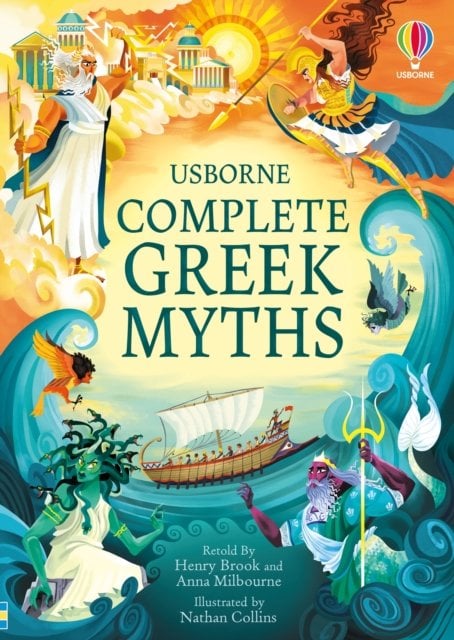
Complete Greek Myths: An Illustrated Book of Greek Myths
Featuring detailed retellings, beautiful character illustrations, and cultural background, this comprehensive volume brings the best-known and obscure Greek myths to life for readers of all ages. Complete with maps, a glossary, and a QR code for pronunciation guides and extra resources, it is an essential addition to any family bookshelf.
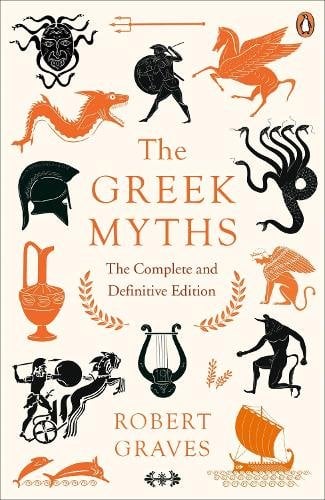
The Greek Myths: The Complete and Definitive Edition
Robert Graves’s definitive edition weaves the classic Greek myths, from the Labours of Hercules to the Trojan War, into one sweeping, authoritative narrative. Perfect for both first-time readers and classicists, this comprehensive volume combines engaging storytelling with detailed scholarly commentary and a complete index of names.
The Odyssey
Homer’s timeless epic The Odyssey follows the hero Odysseus on a perilous decade-long journey home from Troy, facing mythical monsters and divine wrath. Meanwhile, his wife Penelope and son Telemachus defend their kingdom against ruthless suitors in this classic tale of loyalty and endurance.