Lesser-Known Greek Myths That Deserve Attention

Greek mythology is a vast and rich tapestry of stories that have shaped literature, art, and culture for millennia. While figures like Zeus, Athena, and Achilles are well-known, countless lesser-known myths weave intricate tales filled with adventure, tragedy, and moral lessons. These stories may not have the notoriety of their more famous counterparts, but they still hold significant insights into human nature, the divine, and the unknown. In this article, we will explore several lesser-known Greek myths that deserve a place in the spotlight.
1. The Tragic Tale of Arachne
Often overshadowed by the grandeur of Athena, the goddess of wisdom and crafts, is the story of Arachne, a skilled mortal weaver. Arachne possessed such extraordinary talent that she proudly challenged Athena to a weaving contest. Confident in her abilities, she wove scenes depicting the gods in unflattering and often humiliating situations. Athena, incensed by Arachne’s audacity and hubris, transformed her into a spider as punishment.
This myth serves as a cautionary tale about pride and respect. Arachne’s story is not just about talent; it’s a reminder of the fine line between confidence and hubris. Though met with a harsh fate, Arachne’s transformation allowed her to weave indefinitely, a fitting end for someone who truly loved her craft.
2. The Heartbreaking Story of Niobe
Niobe, queen of Thebes and daughter of Tantalus, is a figure deeply entrenched in tragedy. Proud of her fourteen children, Niobe boasted that she was superior to the goddess Leto, who had only two children, Apollo and Artemis. Infuriated by Niobe’s arrogance, Leto sent her children to exact vengeance. Apollo killed all of Niobe’s sons, while Artemis slaughtered her daughters.
In her grief, Niobe was turned to stone, yet her tears continued to flow, symbolizing eternal sorrow. This myth delves into themes of jealousy and the repercussions of boasting. Instead of celebrating her children, Niobe’s overreach led to her downfall, presenting a profound message about humility and the fragility of pride.
3. The Story of Erysichthon
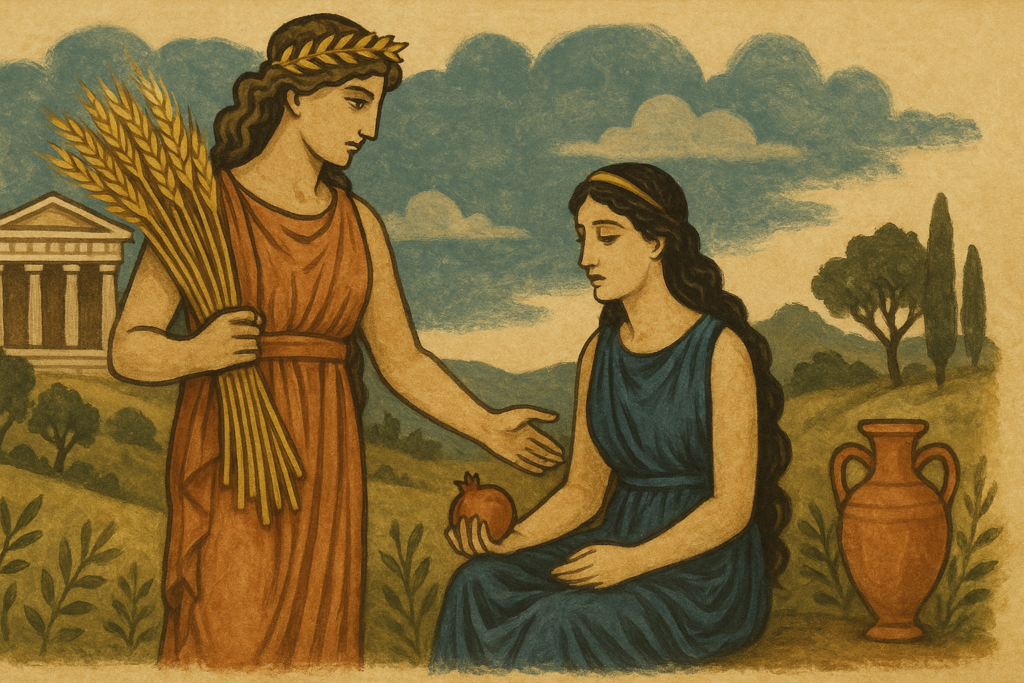
Erysichthon was a Thessalian king who had a profound disregard for the gods, particularly Demeter, the goddess of the harvest. His hubris peaked when he cut down a sacred grove dedicated to her. In retaliation, Demeter cursed him with insatiable hunger. No matter how much he consumed, his hunger only intensified, leading him to deplete his resources in an attempt to satiate himself.
Erysichthon’s tale illustrates the devastating consequences of disrespect toward the divine and the environmental consequences of greed. His hunger reflected not just a physical need but a deeper spiritual emptiness, showing how hubris can lead to self-destruction.
4. The Enigmatic Fate of Actaeon
A lesser-known story that resonates with themes of voyeurism and punishment is that of Actaeon, a skilled hunter. One fateful day, he stumbled upon Artemis bathing in a secluded pool. Rather than face her fury for witnessing her naked form, Artemis transformed him into a stag. In this new form, Actaeon was hunted down and killed by his own hounds, who could not recognize their master.
Actaeon’s tragic fate serves as a poignant commentary on respect for boundaries and the consequences of intruding upon privacy. It also highlights the turning of natural instincts—how easily something can become destructive when influenced by the eyes of the divine.
5. The Dionysian Dereliction of Pentheus
In contrast to many myths centered on mortals who fall in favor, the story of Pentheus serves as a reminder of the dangers of denying one’s instincts. The young king of Thebes, Pentheus, dismissed the cult of Dionysus, the god of wine and revelry, in favor of sober order. His refusal to recognize Dionysian celebrations ultimately led him to spy on a Bacchic ritual, resulting in his demise at the hands of his own mother and her female followers, who were driven to madness in ecstasy.
This myth embodies the conflict between rationality and primal intuition. Pentheus’ brutal end warns against the dangers of repression and the chaotic nature of unchecked desire. It demonstrates how ignoring essential components of human experience can lead to tragedy.
6. The Tale of Orpheus and Eurydice
While Orpheus and Eurydice are more recognizable, their myth delves into lesser-explored facets of love and loss. Orpheus, a legendary musician, lost his beloved wife, Eurydice, to a snake bite. He ventured into the Underworld, enchanting Hades and Persephone with his music to plead for her return. They agreed but set one crucial condition—he must not look back at her until they reached the surface.
Sadly, Orpheus’ trust faltered, and as he turned to gaze at Eurydice, she vanished forever. This myth speaks to the complexity of love, trust, and the pain of loss. It emphasizes that love can be both a source of incredible strength and a cause of profound sorrow, showcasing the fragile nature of human connections.
7. The Mystery of Heracles and the Nemean Lion
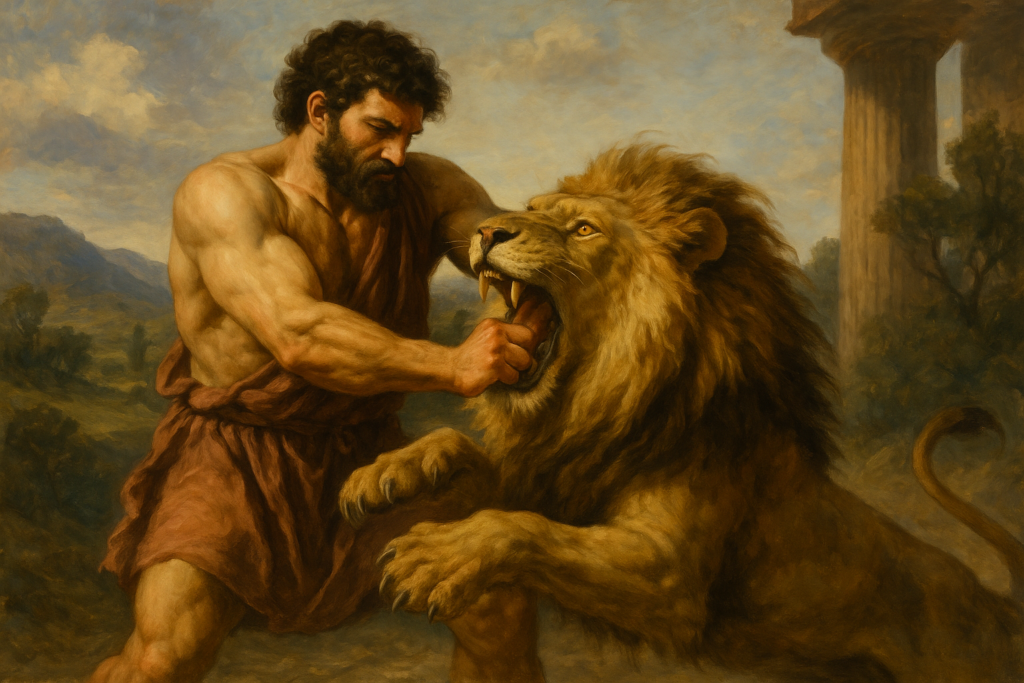
Not all myths about Heracles revolve around his legendary twelve labors. One lesser-known aspect is the Nemean Lion’s skin, which was impenetrable. After defeating the lion, instead of using regular weapons, Heracles strangled it with his bare hands. He then wore its skin as armor, rendering himself nearly invulnerable.
The Nemean Lion’s tale emphasizes resilience. While many legends focus on strength and valor, this story showcases cleverness and unconventional tactics, an essential aspect of true heroism.
Conclusion
The lesser-known myths of Greek mythology offer rich narratives and profound lessons that deserve our attention. They remind us that wisdom often lies in the margins of our understanding. These tales of hubris, love, tragedy, and the complexities of human nature resonate just as potently as the stories of more famed heroes and gods. By exploring these tales, we enrich our understanding of the myths that have shaped not just Greek culture, but humanity itself. Whether cautionary or inspirational, these stories illuminate the timeless truths that continue to guide us through our modern lives.
Recommended reading
These are affiliate links. If you buy through them, we may earn a commission at no extra cost to you.
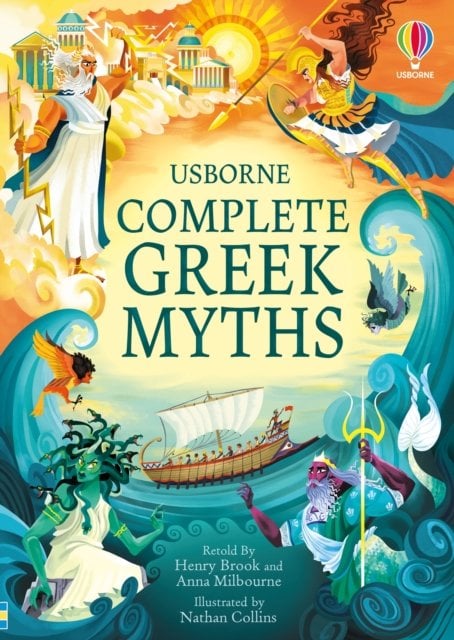
Complete Greek Myths: An Illustrated Book of Greek Myths
Featuring detailed retellings, beautiful character illustrations, and cultural background, this comprehensive volume brings the best-known and obscure Greek myths to life for readers of all ages. Complete with maps, a glossary, and a QR code for pronunciation guides and extra resources, it is an essential addition to any family bookshelf.
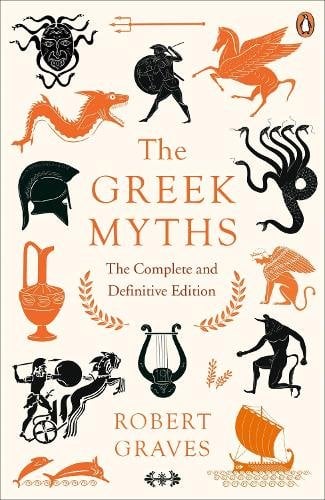
The Greek Myths: The Complete and Definitive Edition
Robert Graves’s definitive edition weaves the classic Greek myths, from the Labours of Hercules to the Trojan War, into one sweeping, authoritative narrative. Perfect for both first-time readers and classicists, this comprehensive volume combines engaging storytelling with detailed scholarly commentary and a complete index of names.
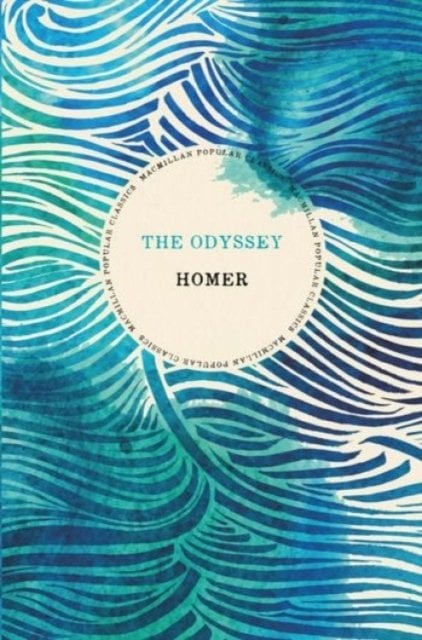
The Odyssey
Homer’s timeless epic The Odyssey follows the hero Odysseus on a perilous decade-long journey home from Troy, facing mythical monsters and divine wrath. Meanwhile, his wife Penelope and son Telemachus defend their kingdom against ruthless suitors in this classic tale of loyalty and endurance.