The Significance of Myths in Ancient Greek Education

Myths have played a pivotal role in shaping the cultural, social, and educational landscape of ancient Greece. The intertwining of myth with daily life, religion, and the educational systems showcases the profound significance these stories held in nurturing the intellect and moral compass of Greek youth. This article explores the multifaceted roles myths played within the realm of ancient Greek education, highlighting their influence on values, philosophy, and societal structure.
1. Myths as Pedagogical Tools
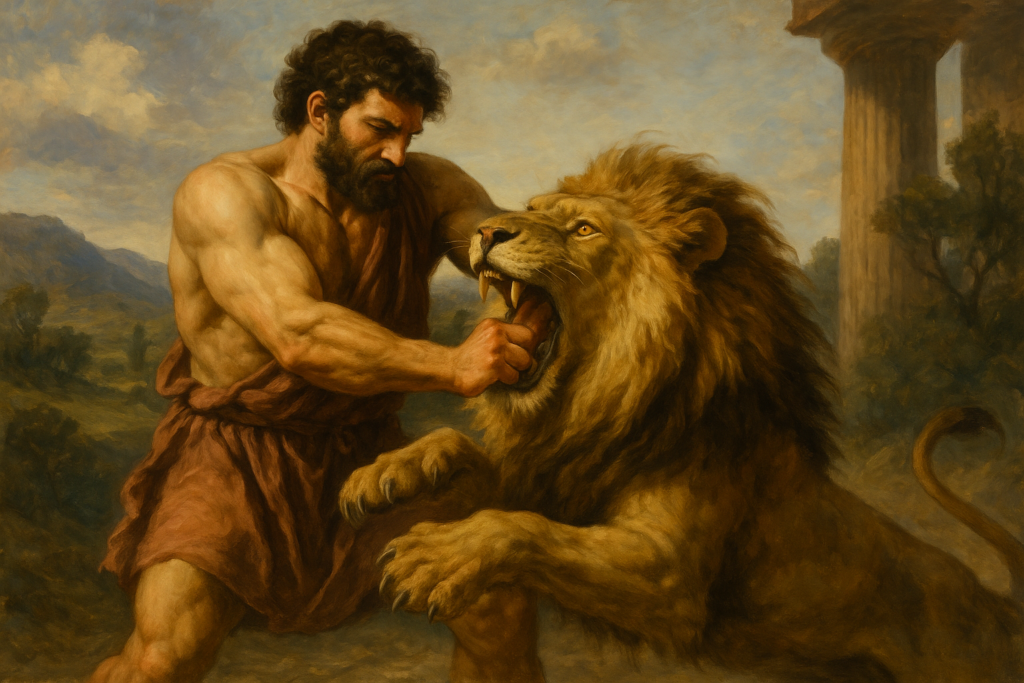
In ancient Greece, myths served as vital educational instruments, transmitting knowledge and values to young learners. Teachers utilized mythological narratives to teach lessons in ethics, heroism, and human behavior. Through stories of gods, heroes, and mythical creatures, students learned about virtues such as bravery, wisdom, humility, and justice. For instance, the tales of Hercules presented themes of courage and perseverance, while those of Prometheus emphasized the significance of intellect and the consequences of defiance.
The allegorical nature of myths allowed educators to convey complex ideas in a manner that was accessible and engaging for young minds. Children were captivated by tales of divine beings and epic struggles, facilitating memory retention and comprehension. In this way, myths transcended mere storytelling; they became vehicles of moral instruction and philosophical inquiry.
2. The Influence of Mythology on Moral and Ethical Education
Greek mythology is rife with narratives highlighting moral dilemmas and the consequences of individual choices. Through the stories of figures like Odysseus, whose cunning often led him into predicaments, students gleaned essential lessons about the human condition, the impact of fate, and the importance of making wise decisions.
For example, the myth of Pandora—not only compelling as a story—serves as a cautionary tale about curiosity and disobedience, teaching the virtues of restraint and forethought. Such narratives fostered ethical discussions in the classroom, prompting students to consider the ramifications of their actions and the nature of virtue, making moral philosophy an integral part of the educational process.
3. Myths as Reflections of Societal Values
Ancient Greek myths often mirrored the values and norms of the society from which they originated. Stories of gods like Zeus, who epitomized authority and order, reinforced the cultural respect for hierarchy and leadership. Myths encapsulated the ideals of courage, hospitality, and honor, offering insights into what it meant to be a good citizen in the Greek polis.
These narratives served as a means of social cohesion, unifying communities under a shared understanding of their heritage, values, and spiritual beliefs. In the context of education, this connection was crucial. By learning through myths, students not only absorbed knowledge but also internalized the collective values of their society, preparing them to become contributing members of their communities.
4. The Intersection of Mythology and Philosophy
The philosophical discourse of ancient Greece cannot be separated from its myths. Philosophers like Plato utilized mythological narratives to explore complex ideas about the human experience, existence, and ethics. The “Allegory of the Cave,” found in Plato’s “Republic,” can be seen as a modern reinterpretation of traditional myths, employing mythological structures to discuss enlightenment and knowledge.
Education in ancient Greece was closely linked to philosophical inquiry, and myths provided a platform for exploring these abstract concepts. When students engaged with myth, they learned to question the narratives and explore the deeper truths they contained. This critical thinking was fundamental to their development, preparing them not just for civic life but also for intellectual exploration.
5. Myths as Cultural Transmission
The transmission of knowledge was not limited to formal education; myths played a vital role in oral traditions and communal gatherings, facilitating learning within the broader context of society. As myths were narrated during festivals, gatherings, and rituals, they fostered a communal sense of identity and continuity. Through collective storytelling, knowledge was preserved and disseminated, ensuring that the youth learned not only from texts but also from the living traditions of their culture.
The artistry of these myths provided both entertainment and education, allowing youths to embrace their cultural heritage while also reinforcing a sense of belonging. Festivals such as the Dionysia celebrated these mythic stories, reinforcing their significance in shaping cultural identity and collective memory.
6. The Role of Myths in Gender Education
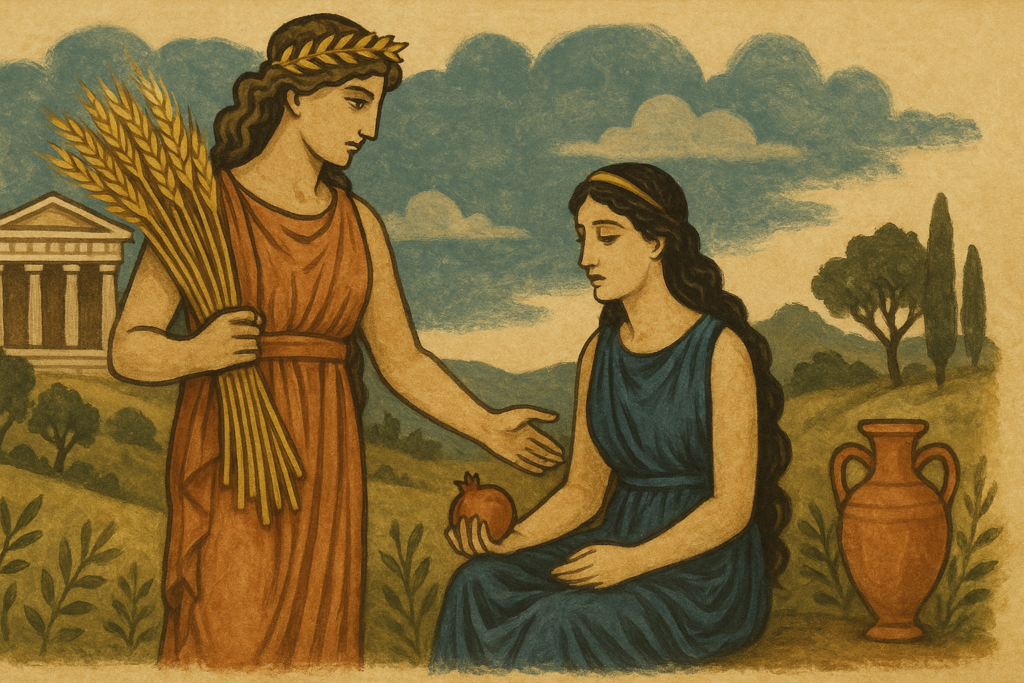
Myths also played a crucial role in shaping perceptions of gender within ancient Greek society. The portrayal of female figures in mythology—such as Athena, who represented wisdom and strategic warfare, and Demeter, who symbolized fertility and agricultural bounty—provided models of different virtues associated with gender. Through these narratives, young boys and girls were educated about their respective roles and expectations within Hellenic society.
The dichotomy in the portrayal of male and female heroes, however, also prompted discussions around gender dynamics and the complexities of human behavior. The ethical and moral lessons encoded in these myths helped shape societal expectations, often reinforcing traditional gender roles while also allowing for reflection on humanity beyond those constraints.
Conclusion
The significance of myths in ancient Greek education transcends mere storytelling; they served as essential pedagogical tools deeply woven into the fabric of societal values, ethical teachings, philosophical inquiry, and cultural transmission. Through myths, Greek youth were not only educated about the world around them but also instilled with the moral frameworks necessary for ethical living in their communities.
In a broader context, the study of these myths provides contemporary educators and scholars with insights into the power of narrative as a form of instruction—an enduring legacy that continues to resonate in modern educational methodologies. The ancient Greek approach to education through myth reveals the timeless potential of stories to shape identity, impart wisdom, and illuminate the human experience, an influence that reverberates through the ages.
Recommended reading
These are affiliate links. If you buy through them, we may earn a commission at no extra cost to you.
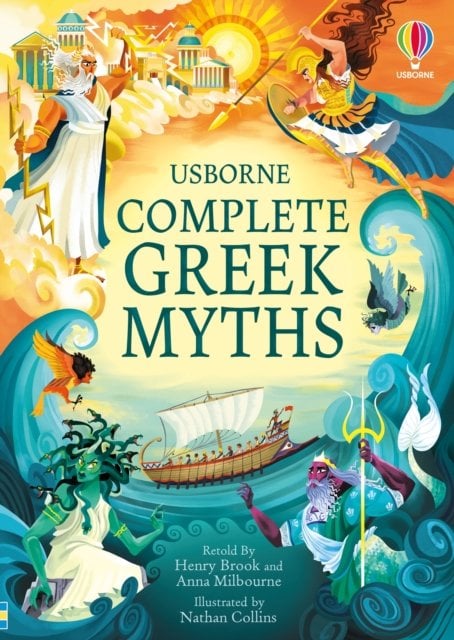
Complete Greek Myths: An Illustrated Book of Greek Myths
Featuring detailed retellings, beautiful character illustrations, and cultural background, this comprehensive volume brings the best-known and obscure Greek myths to life for readers of all ages. Complete with maps, a glossary, and a QR code for pronunciation guides and extra resources, it is an essential addition to any family bookshelf.
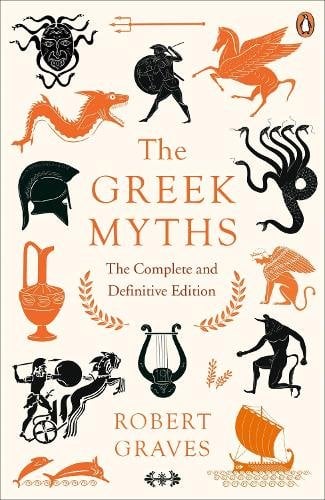
The Greek Myths: The Complete and Definitive Edition
Robert Graves’s definitive edition weaves the classic Greek myths, from the Labours of Hercules to the Trojan War, into one sweeping, authoritative narrative. Perfect for both first-time readers and classicists, this comprehensive volume combines engaging storytelling with detailed scholarly commentary and a complete index of names.
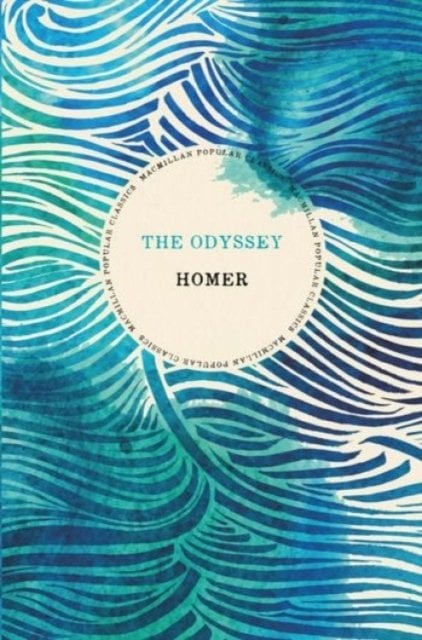
The Odyssey
Homer’s timeless epic The Odyssey follows the hero Odysseus on a perilous decade-long journey home from Troy, facing mythical monsters and divine wrath. Meanwhile, his wife Penelope and son Telemachus defend their kingdom against ruthless suitors in this classic tale of loyalty and endurance.