The Influence of Egyptian Myth on Modern Literature
Egyptian mythology, a rich tapestry of gods, goddesses, and mystical tales, has captivated imaginations for millennia. The ancient Egyptians’ beliefs about life, death, and the cosmos not only shaped their civilization but have also permeated modern literature, inspiring writers across various genres. This article explores the profound influence of Egyptian myth on contemporary storytelling, illustrating its themes, symbols, and characters that resonate with today’s audiences.
The Core Elements of Egyptian Mythology
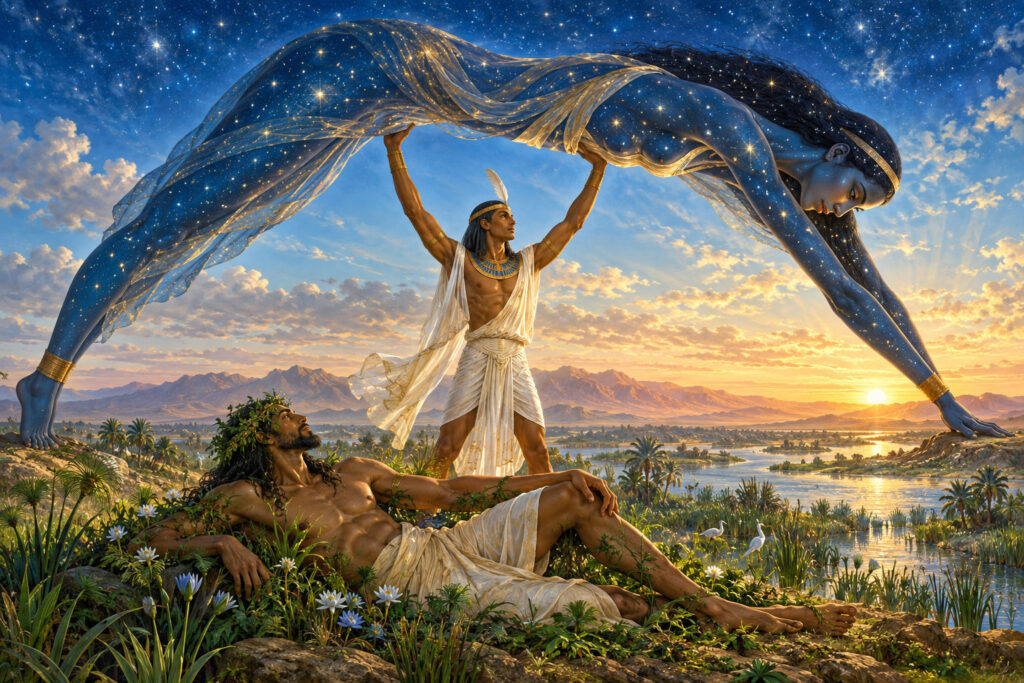
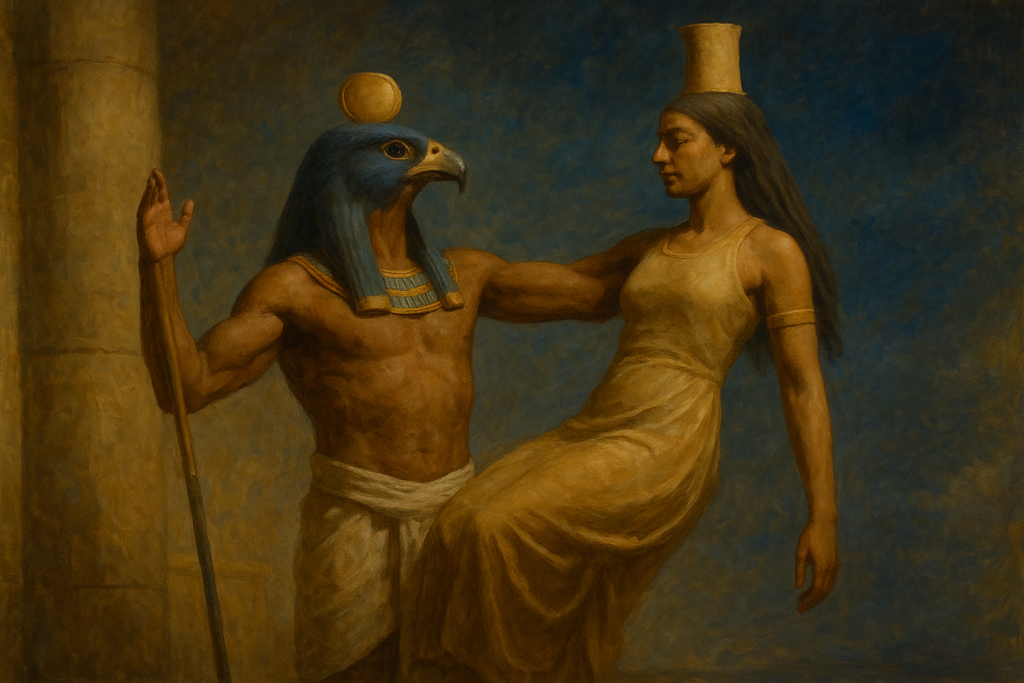
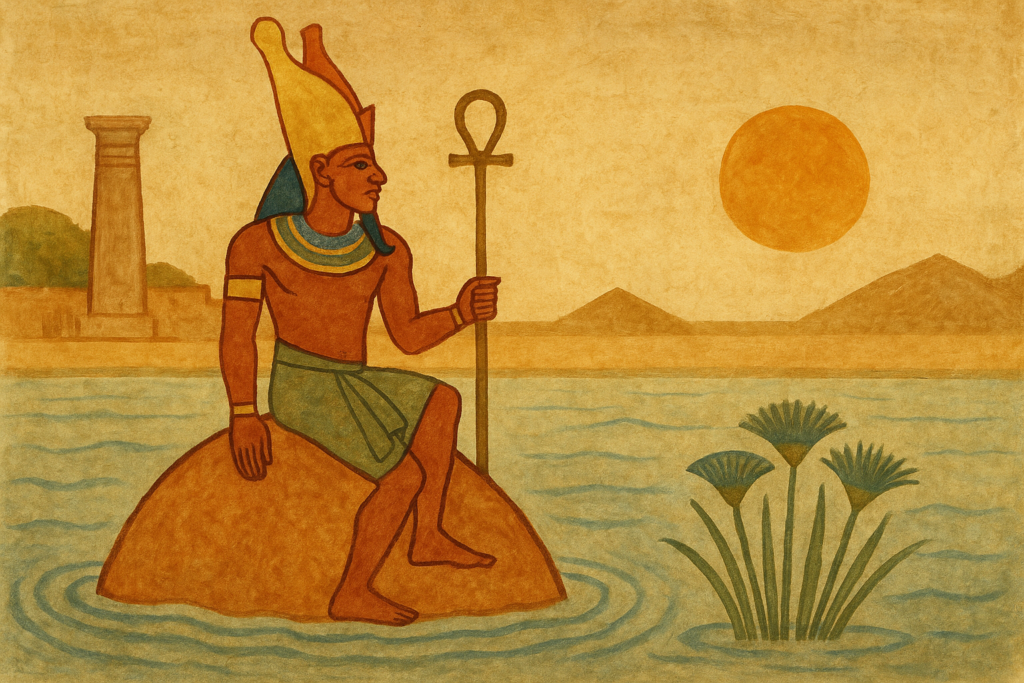
Before delving into its influence on modern literature, it’s essential to understand the foundational elements of Egyptian mythology. Ancient Egyptian lore encompasses a pantheon of deities—each embodying different aspects of life and nature. Gods like Osiris (the god of the afterlife), Isis (the goddess of magic and motherhood), and Ra (the sun god) offer a rich narrative framework characterized by themes of resurrection, duality, and cosmic order.
Additionally, concepts like the afterlife, moral judgment, and the cyclical nature of time play vital roles in these myths. The story of Osiris, who was killed and resurrected by Isis, serves as a poignant allegory for rebirth and eternal life. Such motifs have found their way into various literary works, echoing through the ages and weaving themselves into modern storytelling.
Egyptian Myth in Fantasy Literature
Fantasy literature, a genre inherently steeped in myth and magic, often draws upon Egyptian mythology for inspiration. One of the most notable examples is Rick Riordan’s The Kane Chronicles, a series that intertwines Egyptian gods with modern-day adventures. The series features siblings Carter and Sadie Kane, who discover their links to ancient magic and must navigate the complexities of gods like Anubis and Horus, all while combating ancient evils. Riordan’s work embodies the notion that ancient myths can coexist with contemporary narratives, blending humor with profound themes of identity and family.
Similarly, authors like N.K. Jemisin have brought elements of Egyptian mythology into their speculative fiction. Jemisin’s The Broken Earth trilogy employs mythological constructs to explore themes of oppression, power dynamics, and the cyclical nature of suffering. Although not directly retelling Egyptian myths, Jemisin’s use of culturally rich narratives echoes the broader influence of ancient mythologies, demonstrating how they inform character development and world-building in modern literature.
The Psychological Appeal of Egyptian Myths
The influence of Egyptian mythology also extends into psychological themes that resonate with contemporary readers. The gods and goddesses often represent human-like qualities and struggles, such as love, betrayal, and the quest for knowledge. Authors utilize these archetypes to explore the depths of human experience, tapping into universal emotions that transcend time and culture.
Neil Gaiman’s American Gods dares to examine the relevance of ancient deities in a modern context. Gaiman draws inspiration from a range of mythologies, including Egyptian, to characterize gods who become weakened by the neglect of worship. The Egyptian god Anubis appears in the narrative, symbolizing the timelessness of death and the ever-present need to grapple with mortality. Gaiman’s emphasis on the power dynamics between old gods and new reflects a fundamental aspect of human existence, showing that ancient myths are more than mere tales—they are intrinsic to understanding our place in the world.
Symbolism in Egyptian Myth and Its Literary Echoes
The symbols associated with Egyptian mythology—such as the ankh (symbol of life), the scarab beetle (representing rebirth), and hieroglyphs—have made indelible marks on literature. These symbols often serve as metaphors for deeper existential themes. For instance, the heart—central to the judgment of souls in the afterlife—can symbolize morality or conscience in various literary contexts.
In The Secret History by Donna Tartt, themes of ancient knowledge, morality, and rebirth echo the journeys and tribulations faced by the characters. Though not exclusively based on Egyptian mythology, the book parallels the moral complexity and depth inherent in these ancient stories. The author’s exploration of guilt and redemption subtly resonates with mythological themes of judgment and the consequences of one’s actions.
The Romanticization and Modern Adaptations of Myths
Flipping the narrative, Egyptian mythology is also romanticized in modern adaptations. Works like The Mummy franchise portray ancient Egypt through a cinematic lens that combines adventure, romance, and fantasy. Although these portrayals often prioritize entertainment over accuracy, they serve to maintain public interest in Egyptian mythology, influencing literary narratives that seek to explore or reinterpret these ancient tales.
Moreover, romance novels and young adult fiction frequently incorporate elements from Egyptian myths, often as backdrops to modern love stories. This blending of genres allows authors to explore themes of love, sacrifice, and destiny against the backdrop of ancient mysteries, appealing to readers’ fantasies while introducing them to the complexities of historical narratives.
Conclusion: The Everlasting Influence of Egyptian Mythology
The enduring influence of Egyptian mythology on modern literature illustrates the timelessness of these ancient stories and themes. From fantasy series to psychological explorations and romantic adaptations, the rich tapestry of Egyptian lore continues to inspire authors, offering them a wealth of characters, symbols, and ethical dilemmas to explore.
As readers navigate contemporary texts infused with these ancient tales, they not only engage with the narratives but also connect with the underlying human experiences depicted in myth. The influence of Egyptian mythology serves as a reminder that while times may change, the core themes and moral questions inherent in these myths remain relevant, shaping narratives that resonate across generations. In this way, Egyptian mythology is not merely a relic of the past but a living, breathing entity that continues to inform and inspire literature in profound ways.