Exploring the Myths of Sun Worship in Ancient Egypt

Sun worship in ancient Egypt embodies a rich tapestry of mythology, religion, and cultural practices that defined one of the most influential civilizations in human history. The sun, seen as a life-giving force, was central to many aspects of daily life, societal structure, and spiritual practices. This article delves into the myths surrounding sun worship in ancient Egypt, exploring the significance of solar deities, their mythology, and how these beliefs influenced the Egyptian worldview.
The Role of the Sun in Ancient Egyptian Culture
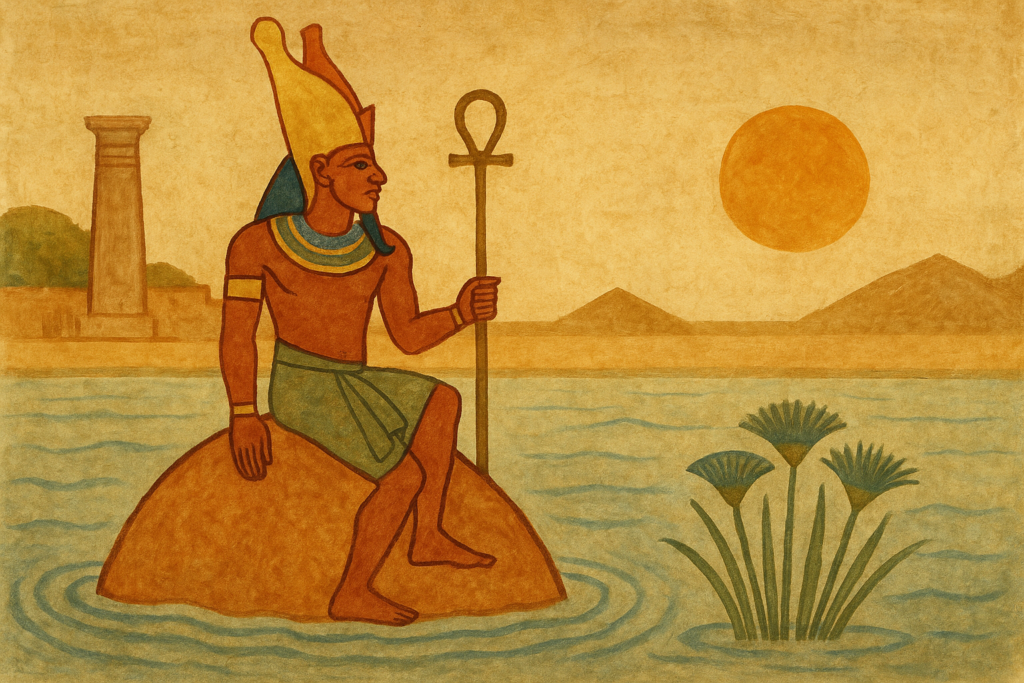
In ancient Egypt, the sun was not merely a celestial body; it was imbued with divine qualities. The Egyptians observed the sun’s vital role in agriculture, marking the cycles of planting and harvesting that dictated their lives. The sun’s predictable journey across the sky mirrored the rhythms of the Nile and reinforced the belief in a natural order, which was essential to the stability of Egyptian society.
Ra: The Supreme Solar Deity
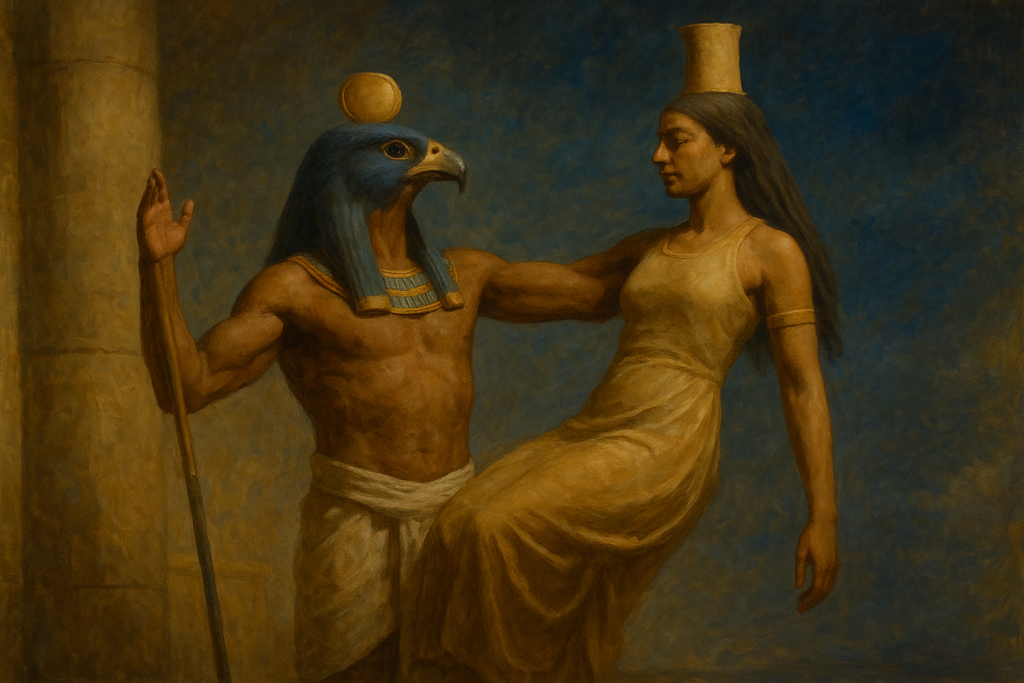
At the heart of Egyptian sun worship was Ra, arguably the most significant deity in the pantheon. Represented as a falcon-headed man adorned with a sun disk, Ra was regarded as the god of the sun and one of the creators of the world. According to myth, Ra sailed across the sky each day in his solar barque, illuminating the earth and nurturing life.
The daily journey of Ra symbolized the cyclical nature of life, death, and rebirth—a theme prevalent in Egyptian mythology. Each night, he journeyed through the underworld, battling the serpent Apep, representing chaos and darkness. The continued triumph of Ra over Apep reinforced the concept of order prevailing over chaos, emphasizing the Egyptians’ belief in the importance of maintaining ma’at, or cosmic order.
Other Solar Deities
While Ra was the principal solar deity, the Egyptians recognized several other goddesses and gods associated with the sun. One important figure was Aten, represented as a sun disk emitting rays of life. During the reign of Akhenaten, Aten was elevated to supreme status, reflecting a significant theological shift in ancient Egyptian religion. This period, known as the Amarna Period, marked a departure from traditional polytheism toward a form of monotheism centered on Aten.
Another significant deity was Horus, the god of kingship and the sky. Sometimes associated with the sun, particularly in his aspect as Horus the Elder, he represented the pharaoh’s divine right to rule. Through these various deities, the Egyptians personified the sun’s dual nature—both as a provider of life and as a force of power and authority.
Religious Practices and Rituals
Sun worship encompassed a range of religious practices and rituals, revealing how the Egyptians integrated their beliefs into daily life. Temples dedicated to solar deities were pivotal in Egyptian society. One of the most famous was the solar temple at Heliopolis, a major center of sun worship. The site housed the Benben stone, a sacred relic believed to mark the spot where the sun first emerged.
Rituals typically involved offerings of food, incense, and prayers to appease the deities, particularly at sunrise when the sun was seen as newly reborn. The symbolism of the sun rising and setting connected closely with concepts of mortality and immortality. Many funerary practices were designed to ensure continuity in the afterlife, highlighting the integral relationship between solar cycles and the beliefs surrounding death and rebirth.
The Pharaohs and Solar Worship
The pharaohs, as both political and spiritual leaders, played a crucial role in the worship of the sun. They were considered the living embodiment of Horus and the appointed successors of Ra, which granted them divine authority. This belief justified their power and reinforced the pharaohs’ responsibilities in maintaining ma’at.
In many tombs, pharaohs included inscriptions and artwork depicting their connection to solar deities, signifying their role in reinforcing the cosmic order. Temples often contained murals depicting the pharaoh being welcomed into the heavens by Ra, illustrating the belief that kingship extended beyond mortal life.
Myths and Symbolism
The myths surrounding sun worship are rich in symbolism and narrative depth, reflecting a complex understanding of the world. The daily cycle of the sun’s journey across the sky was reflected in various myths that explained natural phenomena and the human experience.
For instance, the story of Ra’s nightly journey through the underworld represents the struggle against chaos and the inevitability of death. The rising sun symbolizes resurrection and renewal, reinforcing the intricate bond between solar phenomena, life cycles, and the divine.
Symbolism of the Sun Disc
The sun disc itself, often depicted in Egyptian art, represented not only the physical sun but also the divine presence of the gods. It was commonly shown being offered to pharaohs, symbolizing granted favor and the assurance of protection in both earthly endeavors and the afterlife. The sun disk’s rays, which often ended in hands, offered an invitation to receive blessings, emphasizing the reciprocity between the gods and humanity.
The Decline of Sun Worship
The worship of the sun in ancient Egypt faced challenges over the centuries. Towards the end of the New Kingdom, the traditional pantheon began to shift, with the rise of other religious beliefs and external influences, particularly during the reign of Akhenaten, who promoted exclusive worship of Aten.
Despite these shifts, the legacy of sun worship persisted in various forms throughout Egyptian history. Even as the religious landscape evolved, the sun’s imagery remained potent in art, literature, and monument construction, symbolizing resilience, continuity, and divine favor.
Conclusion
The myths and practices surrounding sun worship in ancient Egypt reflect a robust belief system that significantly influenced their civilization. The sun, as a symbol of life, renewal, and divine authority, formed the cornerstone of Egyptian spirituality and societal structure. Through the lens of solar mythology, we gain insight into how the ancient Egyptians understood their world—a world governed by the perpetual cycles of nature, the interplay between order and chaos, and the divine forces that shaped their existence. As we explore these ancient beliefs, we uncover the enduring significance of the sun in the human experience, a force that unites us across time and cultures.