Divination in Ancient Egypt: Myths of Prophecy

Divination, the practice of seeking knowledge of the future or the unknown through supernatural means, holds a prominent place in the ancient Egyptian belief system. This ancient civilization, rich in mythology, religion, and culture, engaged in various forms of divination that intertwined with their daily lives, governance, and understanding of the cosmos. The practice of divination served as a bridge between the divine and human realms, enabling the Egyptians to access knowledge beyond their mortal comprehension.
Historical Context of Divination
Divination in ancient Egypt can be traced back to the Early Dynastic Period (c. 3100-2686 BCE), where various forms of prophecy and omens emerged. The pivotal role of religion in everyday life meant that Egyptians looked to the divine for guidance on personal matters, national affairs, and spiritual questions. Most importantly, divination aligned neatly with the ruling ideology, showcasing the Pharaoh’s divine connection to the gods.
The written records, including texts on papyrus and inscriptions on temple walls, revealed the multifaceted nature of divination. Such practices were often sanctioned by the ruling elite, serving both religious and political purposes, reinforcing the belief that future events could be influenced or anticipated through divine means.
Forms of Divination
-
Omen Reading: Omen interpretation was one of the earliest forms of divination practiced in ancient Egypt. Egyptians would observe natural phenomena, such as the flight of birds, the behavior of animals, or even environmental occurrences, interpreting these as messages from the gods. For instance, witnessing a specific bird in a particular context might predict good fortune or warn of impending disaster.
-
Dream Interpretation: Dreams held great significance in ancient Egyptian culture and were often considered prophetic. The Egyptians believed that the gods communicated with individuals through their dreams, imparting messages that needed to be unlocked. Dream interpreters, often priests or specialists, would analyze the symbols and narratives within dreams to provide clarity or guidance. The “Dream Book,” a collection of interpretations, served as a manual and was often consulted by those seeking insight.
-
Astrology: Ancient Egyptians devoted significant attention to astrology, which blended astronomy and divination. The rising and setting of stars, particularly the heliacal rising of Sirius (associated with the goddess Isis), was crucial for determining agricultural cycles and predicting floods. The alignment of planetary bodies was also believed to influence earthly events, including the birth of rulers. Thus, astrology functioned as both a scientific and a divine tool.
-
Augury: This practice involved interpreting the behavior of birds, chiefly vultures, as omens of the will of the gods. High-ranking officials often sought augurs’ expertise to interpret these signs when making decisions about war or governance.
-
The Casting of Lots: Similar to dice-throwing, the casting of lots was a common practice for making decisions or uncovering truths. Lots would be inscribed with messages or symbols, and the outcome would be interpreted by priests or diviners. This method was often employed in judicial contexts or determining leadership positions.
Myths of Prophecy
Divination was deeply ingrained in Egyptian mythology, where gods and goddesses often embodied prophetic insights. Various myths narrated instances of divine prophecy that not only shaped the spiritual landscape but influenced the sociopolitical sphere.
The Myth of Isis and Osiris
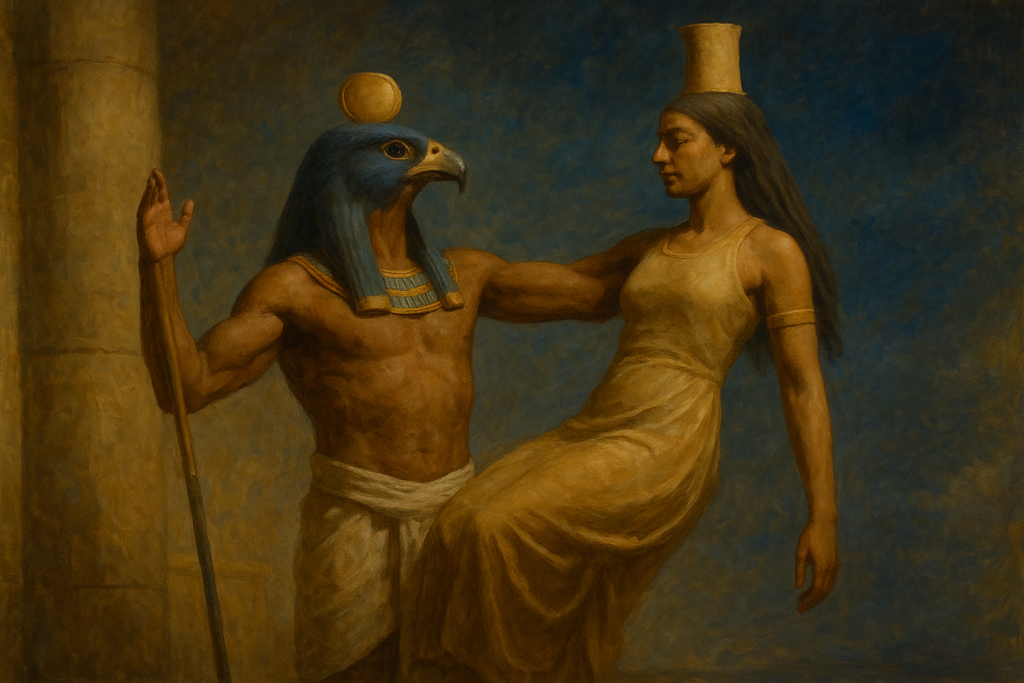
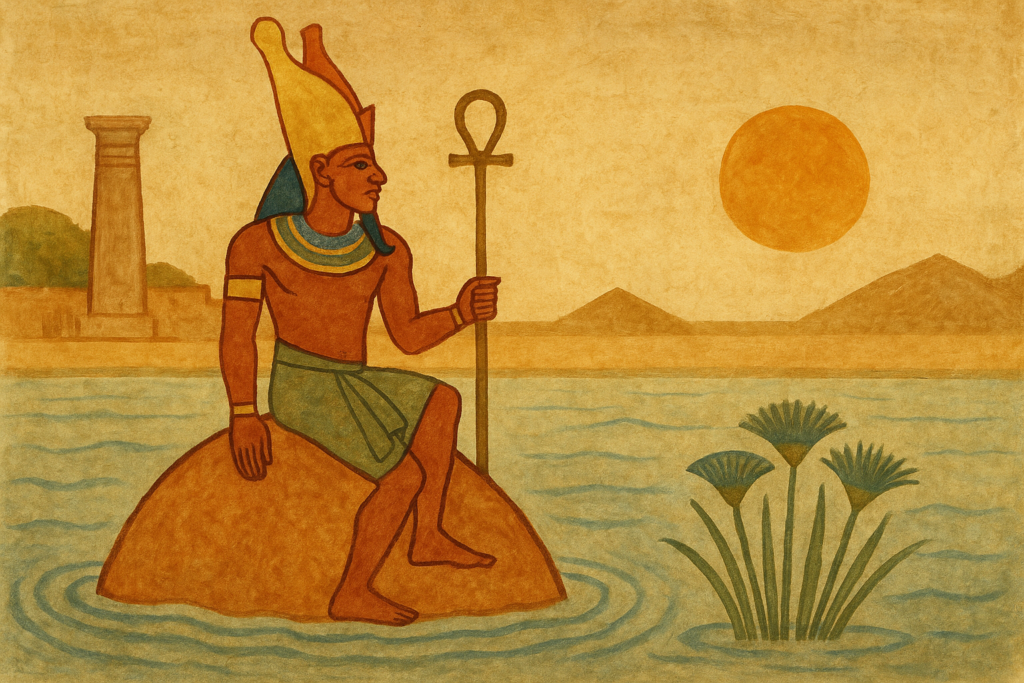
One of the most famous myths associated with prophecy is the story of Isis and Osiris. When Osiris was betrayed and killed by his brother Set, Isis sought to resurrect him using a series of divine rites and messages from the gods. Her efforts involved extensive interpretation of omens and dreams. Ultimately, Osiris was resurrected, leading to the establishment of the Osirian cult and the belief in the afterlife. This myth illustrated the power of divine knowledge and the importance of interpreting signs to restore balance and order in the world.
The Prophecy of the Pharaoh
Pharaohs often relied on diviners to interpret dreams that were believed to foretell significant events for the nation. The biblical character Joseph, for example, interpreted Pharaoh’s dreams of seven lean cows and seven fat cows, forecasting years of abundance followed by famine. In ancient Egyptian lore, there were similar instances where the Pharaoh would consult divine prophets to fortify their reign or prepare for inevitable changes, underscoring the divine right to rule.
The Book of the Dead
The “Book of the Dead,” a compilation of spells and instructions for the afterlife, contained elements of prophecies and divination that guided souls through the underworld. It included knowledge about the judgment process after death, where the heart was weighed against the feather of Ma’at. The success or failure of this judgment determined the soul’s fate, emphasizing the connection between prophecy and the moral order the Egyptians aspired to maintain.
Conclusion
Divination in ancient Egypt represented a complex interplay of beliefs, practices, and myths that shaped their understanding of existence and governance. It was not simply about predicting the future; rather, it served as a mechanism for seeking guidance, bolstering authority, and navigating the human experience in a world governed by the whims of divine powers. From augurs to dreams, the various forms of divination highlighted the Egyptians’ desire to connect with the cosmos and reaffirm its underlying order.
The myths associated with prophecy provided a cultural framework for interpreting reality, and these stories continue to resonate through history, reminding us of humanity’s timeless quest for knowledge and the mysteries that lie beyond the scope of our understanding. In many ways, divination was a reflection of the Egyptians’ intrinsic belief in a universe steeped in divine order, where knowledge and prophecy offered the potential for influence, hope, and, ultimately, a sense of certainty against the inevitable uncertainties of life.