The Norse Gods and Their Human Connections

The Norse pantheon, steeped in myth and legend, presents a rich tapestry of deities, each embodying unique characteristics and domains. The gods and goddesses of Norse mythology are not just distant figures residing in Asgard; they share profound connections with humanity, reflecting the complexities of human nature, society, and the struggles of existence.
The Pantheon of Asgard
The Norse gods are predominantly divided into two families: the Aesir and the Vanir. The Aesir, including Odin, Thor, and Frigg, represent war, governance, and order. The Vanir, like Njord and his children Freyr and Freyja, symbolize fertility, prosperity, and nature. This division showcases a duality in Norse culture, reflecting both the martial and nurturing aspects of life.
Odin: The Allfather
Odin, the chief of the Aesir, is often portrayed as a seeker of wisdom. His relentless pursuit of knowledge, which led him to sacrifice an eye for a drink from the Well of Mimir, resonates deeply with human aspirations for understanding. Odin’s myriad quests and complex personality demonstrate the ambition, curiosity, and sacrifice inherent in the human condition. His relationship with humanity is further illustrated through his role as a god of war; he selects warriors for Valhalla, symbolizing the valor and honor that permeate human struggles.
Thor: The Protector
Thor, perhaps the most recognizable Norse god, embodies strength, protection, and loyalty. As the god of thunder, his battles against giants signify the eternal struggle against chaos and destruction. Thor’s character resonates with the average human’s desire for security and justice. His protective nature is seen as a cornerstone of community and familial bonds, drawing parallels with the human instinct to safeguard loved ones and uphold social order.
Frigg: The Nurturer
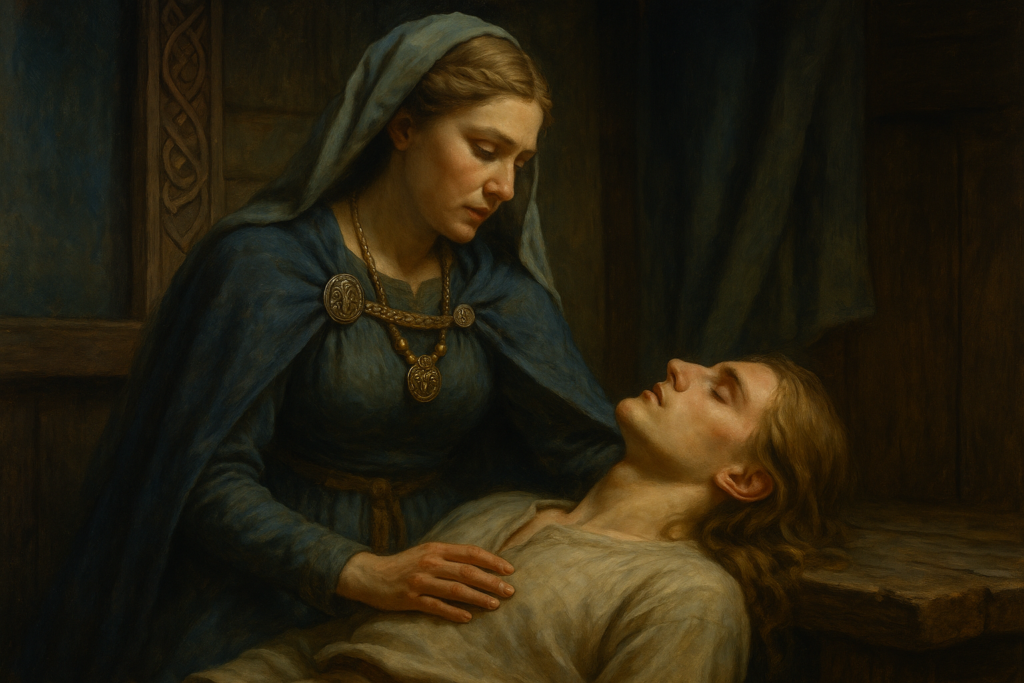
Frigg, Odin’s wife and the goddess of marriage and motherhood, represents compassion and foresight. Her ability to see the future, yet remain powerless to change fate, reflects the human experience of foresight intermingled with the acceptance of destiny. She embodies the maternal instincts, nurturing not just her family but also the realms of human social structures. The connection between Frigg and the human experience of love, loss, and resilience makes her a central figure in understanding the depth of familial ties in Norse culture.
The Vanir: Nature and Prosperity
The Vanir gods, though distinct from the Aesir, play a crucial role in the balance of life and nature. Njord, the god of the sea and wind, and his children Freyr and Freyja offer glimpses into humanity’s relationship with nature.
Njord: The Seafarer
Njord governs the elements of the sea and prosperity, representing humanity’s reliance on nature for survival. His association with both seafaring and wealth underscores the symbiotic relationship between humans and their environment. The animalistic aspects of Njord’s domain remind humans of their dependence on the natural world, and his worship reflects agricultural and maritime practices central to Norse culture.
Freyr and Freyja: Duality of Love and Fertility
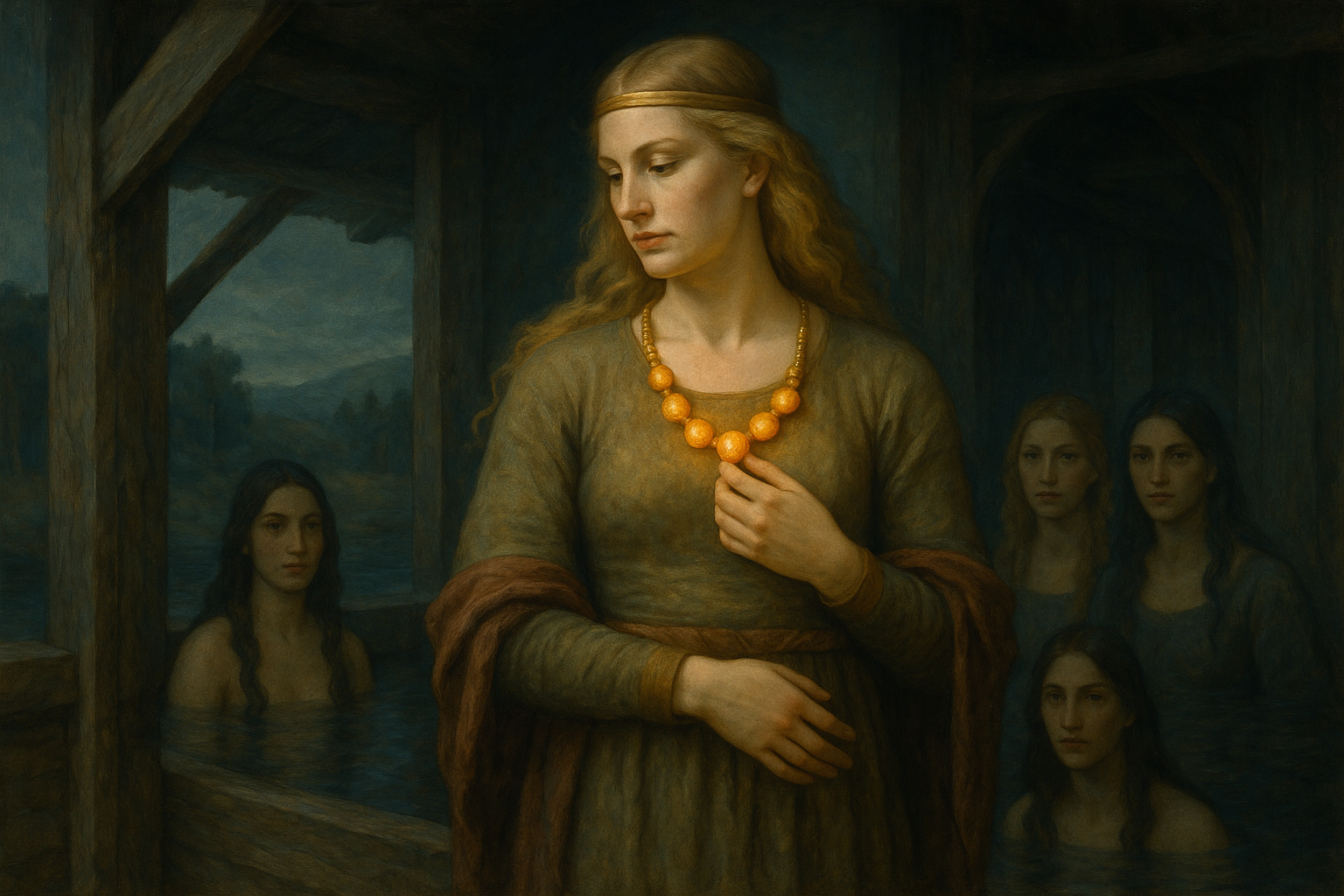
Freyr and Freyja, twins embodying love, beauty, and fertility, are essential for understanding human connections. Freyja’s role as a goddess of love signifies the complexities of human relationships, encompassing romance, longing, and even loss. Her pursuit of true love and her willingness to commune with humanity mirrors the joys and challenges of human emotion.
Freyja’s duality with Freyr, who represents agricultural fertility, captures the balance between desire and abundance. Together, they symbolize the necessity of both emotional and material sustenance, reinforcing the idea that love and prosperity are intertwined in the human experience.
The Interplay of Fate: Norns and Human Destiny
In Norse cosmology, the Norns — three female beings who govern fate — further exemplify the connection between the divine and the human experience. Urd (the past), Verdandi (the present), and Skuld (the future) weave the threads of destiny, guiding not just the gods but every individual’s life journey. This concept reflects humanity’s innate concern with fate and free will, illustrating how Norse mythology grapples with the age-old questions of destiny and choice. Just as the Norns influence the lives of the gods, so too do they shape the path of every human, promoting the understanding that individuals are both creators and prisoners of their fate.
The Human Condition in Norse Myths
Norse myths encapsulate the human experience in its entirety — love, ambition, betrayal, sacrifice, and tragedy. The gods, with their strengths and flaws, provide a mirror for humanity. Fenrir and Loki, often perceived as antagonists, highlight the chaos and darkness within human nature. Their stories reflect the internal struggles individuals face — the temptation of betrayal, the weight of anger, and the search for identity.
Loki: The Trickster God
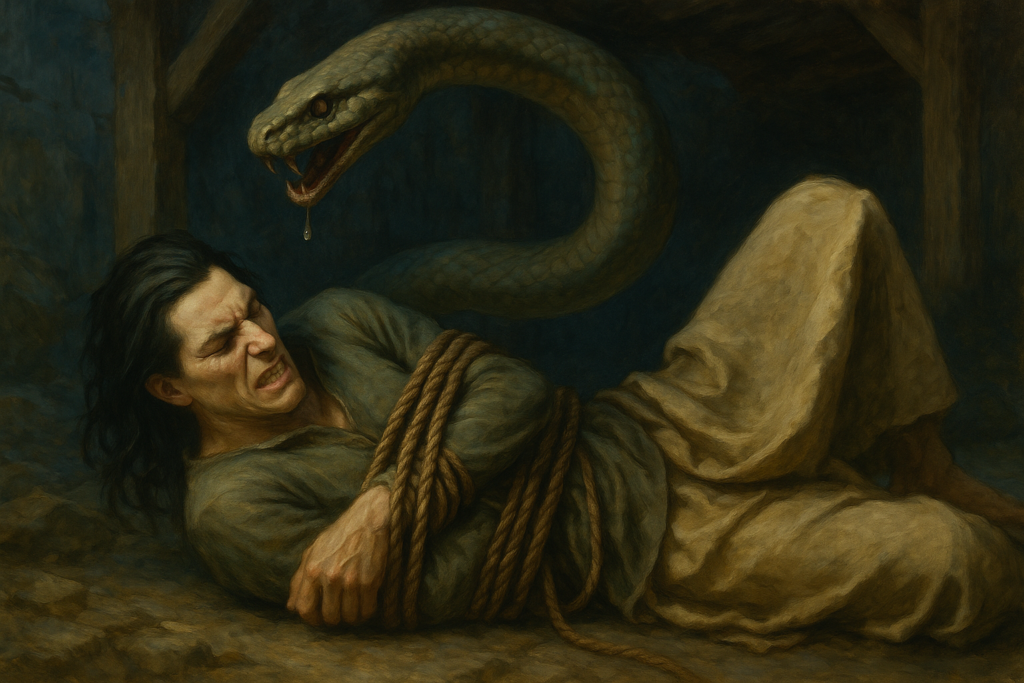
Loki, the shapeshifting trickster, embodies the chaotic elements of human nature. His cleverness and ability to manipulate reflect the unpredictable aspects of life and relationships. Though often perceived negatively, Loki’s existence demonstrates that chaos can lead to growth and transformation, mirroring the human journey through adversity.
Ragnarok: The Cycle of Renewal
Ragnarok, the end of the world in Norse mythology, symbolizes cycles of destruction and rebirth. This cataclysmic event embodies the struggles and trials that individuals face repeatedly in life. It illustrates that endings, while often painful, are necessary for new beginnings, reflecting humanity’s resilience and capacity for renewal in the face of adversity.
Conclusion
The Norse gods, with their rich narratives and intricate relationships with humanity, provide profound insights into human nature. Through tales of triumph, sorrow, conflict, and courage, these deities resonate deeply, making them timeless symbols of our struggles and aspirations. They remind us that, much like the gods, we are all navigating a complex world, searching for meaning, balance, and connection. The tapestry of Norse mythology weaves these universal experiences into a narrative that transcends time, making the gods ever-relevant to the human experience.