Exploring Asgard: The Home of the Aesir

In Norse mythology, Asgard stands as one of the most intriguing and complex realms. Often perceived as the celestial fortress of the Aesir gods, Asgard serves as a symbol of power, conflict, and the eternal connection between the divine and mortal realms. This exploration invites you to delve into the mythology surrounding Asgard, its significance in Norse culture, and its depiction in various media.
The Structure of Asgard
Asgard is one of the Nine Realms in Norse cosmology, positioned high above Midgard (Earth) and interconnected through the Bifrost, the shimmering rainbow bridge. The architecture of Asgard is grand and impressive, characterized by majestic halls and towers constructed from the strongest materials. One of the most notable structures is Valhalla, the hall of the slain, where warriors who died heroically in battle are honored. It is said to be an enormous, grand hall with a roof adorned in shields and where endless feasting and combat training occur.
The Main Gods of Asgard
Asgard is home to the Aesir, a group of powerful deities that play pivotal roles in Norse mythology. Prominent figures include:
-
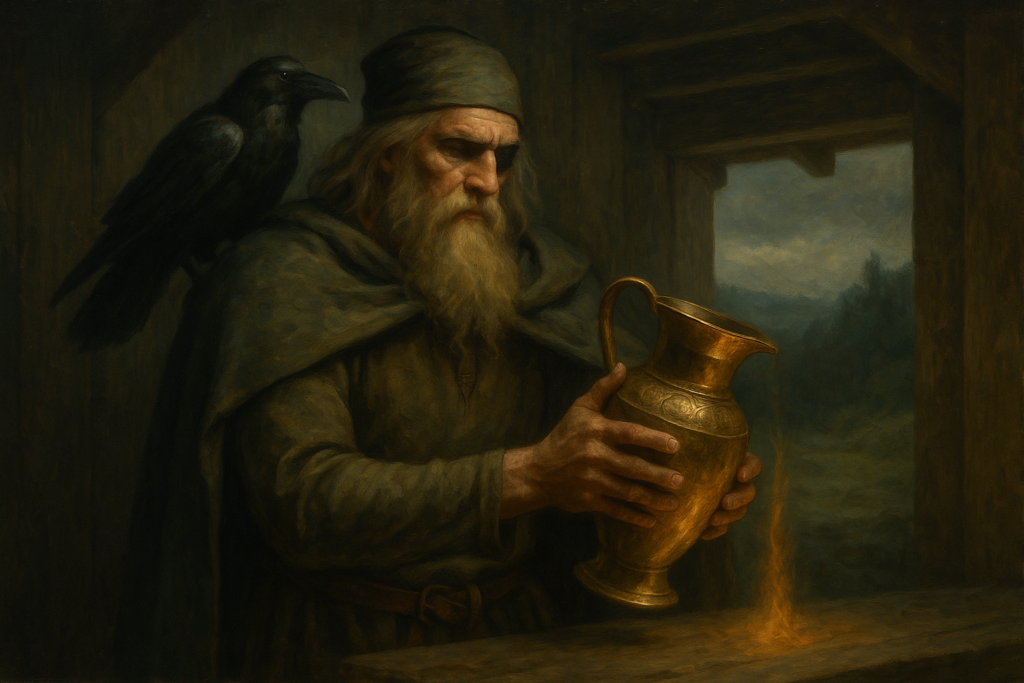
Odin: The All-Father and the chief of the Aesir, Odin is associated with wisdom, healing, death, and war. His pursuit of knowledge is relentless; he’s known to sacrifice an eye for wisdom and hang on Yggdrasil, the World Tree, for nine nights to gain knowledge of the runes.
-
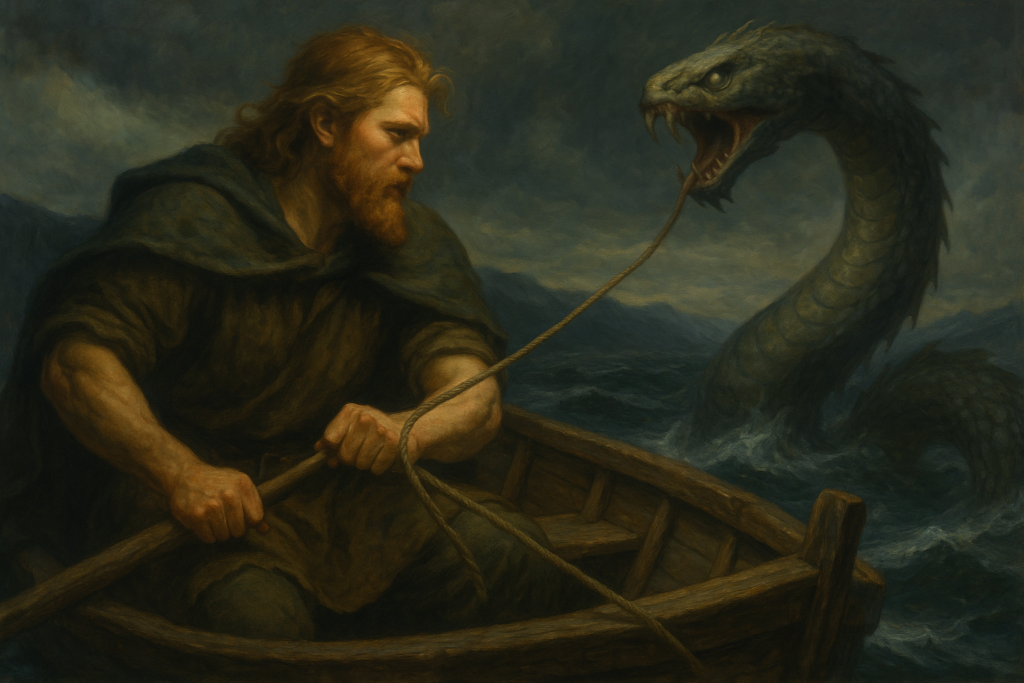
Thor: The god of thunder and strength, Thor wields the mighty hammer Mjölnir. He symbolizes protection and bravery, often defending Asgard and Midgard from giants and various threats.
-
Freyja: A goddess associated with love, beauty, and fertility, Freyja also plays a role in war, linked closely with Odin as her hall, Folkvangr, serves a similar purpose to Valhalla, inviting slain warriors to dine with her.
-
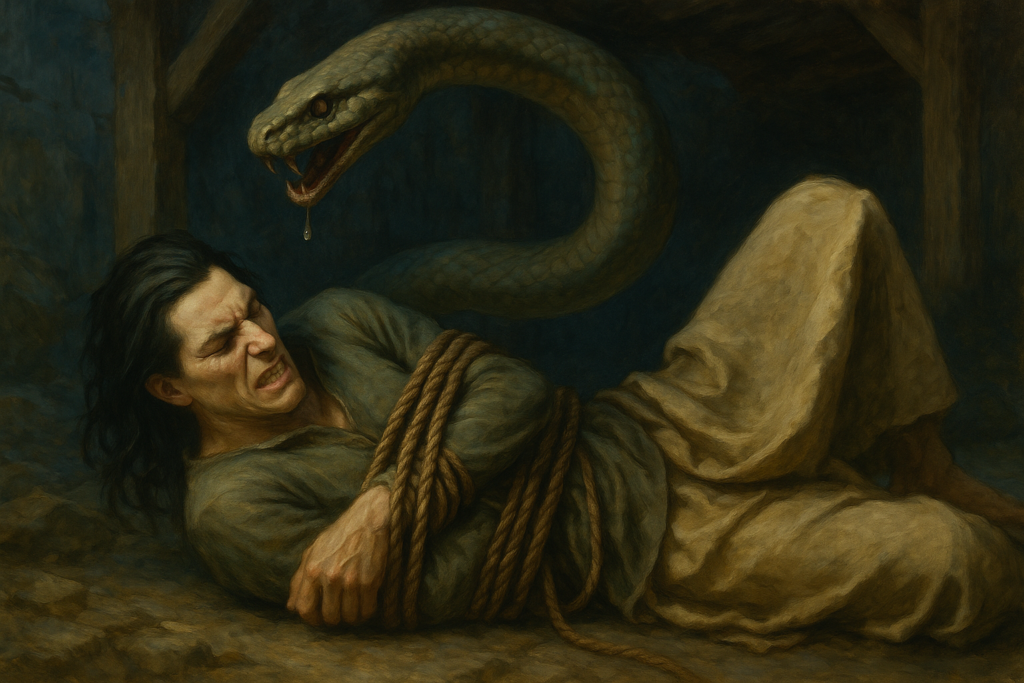
Loki: Despite being a blood brother of Odin, Loki is often regarded as a trickster and a catalyst for conflict. His complex relationships with the Aesir add layers to the narratives of Asgard, culminating in events that lead to Ragnarok, the end of the world.
The Role and Significance of Asgard
Asgard represents not just a physical location but also ideals central to Norse culture. It embodies the challenge of existence and the quest for honor, glory, and legacy. The Aesir gods, with their human-like traits and flaws, illustrate virtues and vices, reflecting the intricacies of human nature.
In Norse society, the gods served as models for behavior and ethics, intertwined with the beliefs about fate and destiny. The stories revolving around the Aesir provide context for various rituals and cultural practices, including those related to warfare, agricultural cycles, and the seasons.
The Mythical Landscape
Beyond mere architecture and deities, Asgard is often depicted with specific locations that hold significant mythical weight. Many realms and features intersect with Asgard, further enriching its narrative.
-
Yggdrasil: The cosmic tree connecting all realms, Yggdrasil is vital in maintaining the balance of the universe. Its roots delve into various realms, including Hel, the land of the dead, and its branches extend towards Asgard.
-
Himinbjörg: The celestial cliff at the edge of Asgard, Himinbjörg serves as the home of the guardian god Heimdall, who watches over the Bifrost and the mortal realm.
-
Aldheim: A poetic term often referred to in sagas, Aldheim translates to “home of the old,” symbolizing wisdom acquired through time and experience.
The Aesir-Vanir Conflict
The Aesir’s history is marked by rivalry, particularly with the Vanir, another group of gods associated with fertility, prosperity, and nature. The conflict between the two groups highlights the struggle for balance between war and peace, a theme recurrent in Norse narratives.
The eventual reconciliation resulted in the exchange of gods, where gods like Njord, Freyr, and Freyja joined the Aesir. This fusion marks the intertwining of different aspects of life: the Aesir’s focus on warfare and governance and the Vanir’s connection to fertility and agriculture.
Asgard in Popular Culture
In contemporary times, Asgard has permeated popular culture, most notably through comic books and films, especially the Marvel Cinematic Universe (MCU). Characters like Thor and Loki take center stage, albeit with adaptations that cater to modern audiences. While these portrayals often deviate from the original mythology, they reignite interest in Norse lore, sparking curiosity about the ancient beliefs shaping these narratives.
Asgard appears as a vibrant city in the MCU, showcasing technology that seems far advanced compared to Earth, which captivates viewers. However, the essence of Asgard—qualities like bravery, loyalty, and the struggle against chaos—remains integral to its depiction.
The Legacy of Asgard
The legacy of Asgard transcends its mythological roots. With the rise of interest in Norse mythology in literature, movies, and other media, Asgard symbolizes a deeper search for meaning amid chaos. It acts as a metaphorical landscape for humanity’s trials and the pursuit of wisdom, valor, and legacy.
Asgard stands as a timeless reminder of the interwoven nature of mythology and culture. For the Norse people, it was not just a mythic home for gods but also a representation of their beliefs, values, and a reflection of their place in the universe. Today, it continues to inspire, inviting each generation to explore the rich layers of meaning embedded in these ancient tales.
Conclusion
Asgard, the home of the Aesir, offers more than just a glimpse into a fantastical realm; it opens a window into the values and beliefs that shaped an entire culture. Through exploration, we not only encounter the grandeur of mythical architecture and powerful gods but also the timeless lessons woven into the fabric of their stories. As we ponder Asgard, we are reminded that the realm of the gods is as much about the human experience as it is about the divine.