The Trickster Archetype in Norse Legends
The Trickster Archetype in Norse Legends
The Trickster archetype is a powerful and persistent character type found across various mythologies, cultures, and religions, and Norse mythology is no exception. Perhaps the most recognizable trickster in this tradition is Loki—a figure who embodies cunning, mischief, and duality. He inhabits a unique space within the pantheon of Norse gods, oscillating between friend and foe, creator and destroyer. This article will explore the multifaceted nature of the Trickster archetype in Norse legends, focusing particularly on Loki, and examine the interplay of chaos and order that emerges from his actions.
The Nature of the Trickster
At its core, the Trickster archetype challenges existing norms and conventions. Tricksters are often characterized by their ability to bend rules, deceive others, and, in doing so, reveal underlying truths about society or the human condition. They possess an innate intelligence paired with a playful, often irreverent attitude toward life. This combination allows them to navigate the complexities of existence while casting light on the absurdities of human behavior.
In many cultures, Tricksters play the role of disruptors, unsettling the status quo and forcing characters—or even entire societies—to confront their limitations and blind spots. Norse mythology, with its rich tapestry of gods, giants, and creatures, effectively showcases these dynamics, particularly through the character of Loki.
Loki: The Quintessential Trickster
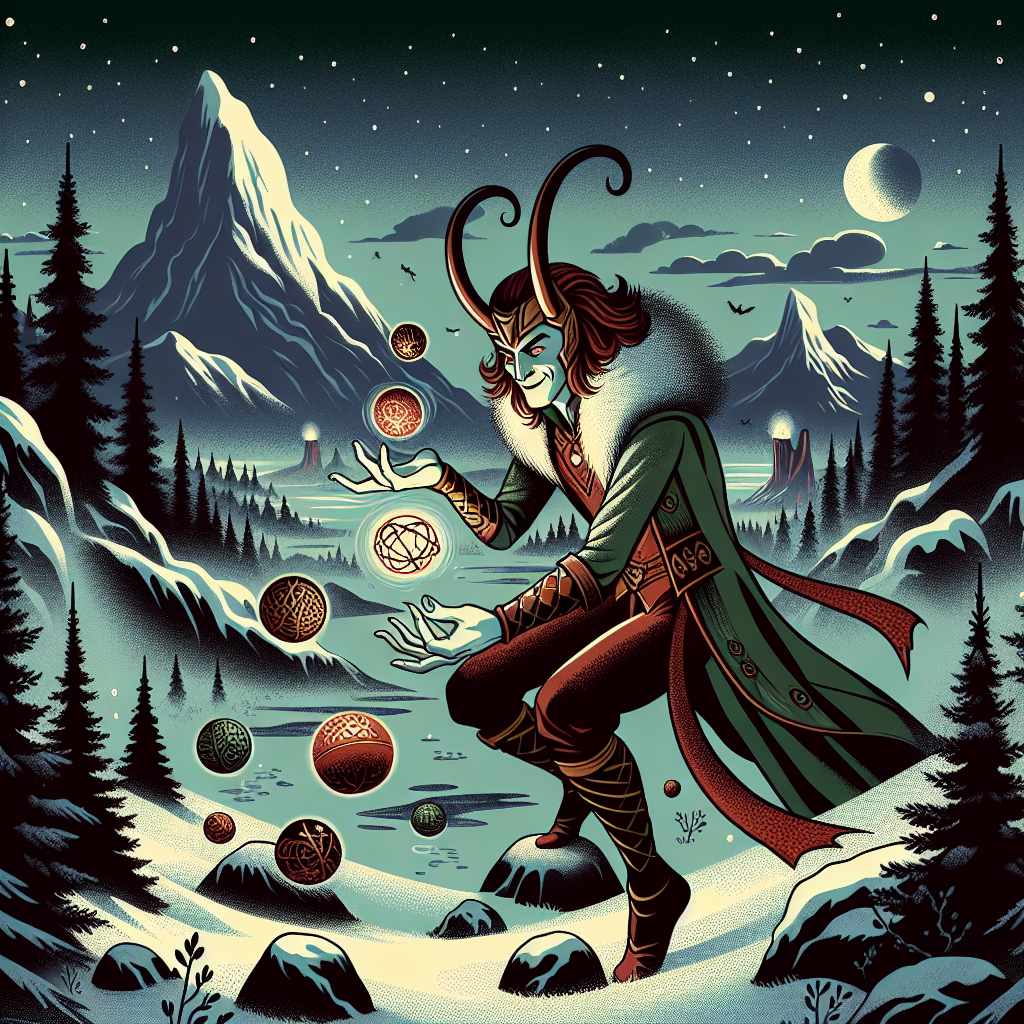
Loki is a figure whose significance cannot be overstated within Norse mythology. Initially depicted as a companion to Odin and Thor, Loki’s complexity soon reveals itself. He is not bound by the strict moral codes that govern the actions of the other gods; instead, he thrives in the grey areas of morality. Loki’s associations with fire and shape-shifting symbolize transformation, creativity, and the unpredictable nature of life itself.
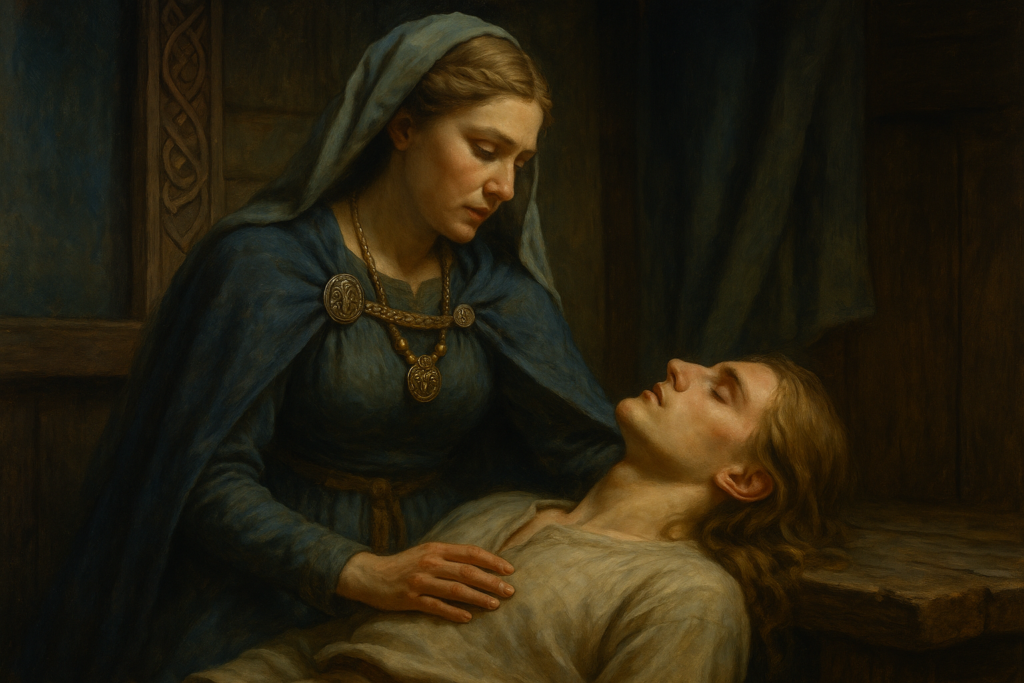
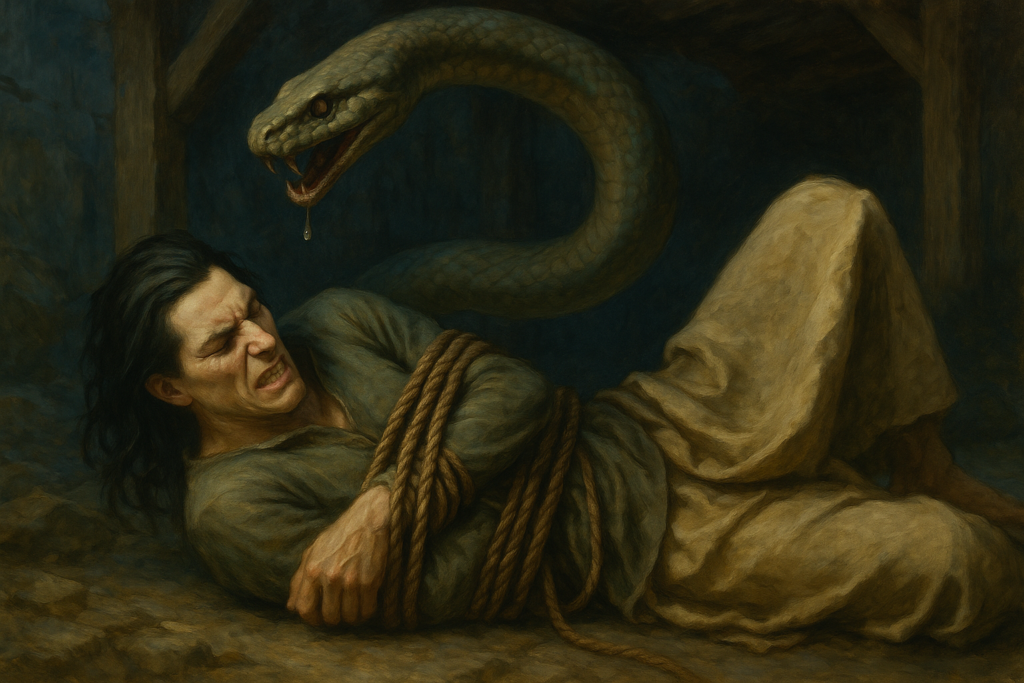
His relationships with other gods highlight his duality. While he often assists Thor and Odin in their quests—showing moments of loyalty and camaraderie—Loki’s duplicitous nature also leads to conflict and chaos. In one significant tale, Loki orchestrates the death of Baldr, the beloved god, effectively setting in motion a series of events that culminate in Ragnarok, the end of the world in Norse mythology.
This act encapsulates the ambivalence inherent in the Trickster archetype—while Loki may represent chaos and destruction, he also plays a crucial role in the cyclical nature of life and death. Without Ragnarok, there would be no renewal, no rebirth. Loki’s actions serve as a catalyst for change, emphasizing that chaos, while often feared, can lead to new beginnings.
The Function of Chaos and Order
Norse mythology emphasizes the balance of chaos and order, where Trickster figures like Loki typically embody chaos. Their actions prompt the other gods to confront their limitations and adapt to new challenges. Loki’s mischief often reveals the vulnerabilities of the divine order. For example, in the myth of the theft of Idun’s apples, Loki’s involvement underscores the interconnectedness of the gods and the necessity of cooperation in the face of adversity. When the goddess Idun is captured by a giant, the gods begin to age, losing their vitality. Loki’s cleverness is required to restore balance, demonstrating how chaos can highlight the weaknesses of even the mightiest beings.
The interplay between Loki and the other gods illustrates the importance of the Trickster in facilitating growth and transformation. In essence, the chaos that Tricksters bring forces characters—and by extension, society—to reevaluate their values, relationships, and priorities.
Loki’s Legacy and Modern Interpretations
Loki has not only shaped the narratives of Norse mythology but has also influenced contemporary culture. In modern storytelling, Loki’s character often embodies a blend of charm, rebellion, and complexity. Various adaptations, from comic books to film, have contributed to the reimagining of Loki as a figure who is relatable and layered rather than purely malevolent.
Beyond entertainment, Loki’s legacy invites audiences to reflect on the nature of duality within themselves. The Trickster archetype reminds us that each individual contains the capacity for both good and evil, order and chaos. In exploring this duality, we come to terms with our imperfections and motivations.
The Psychological Perspective: Tricksters and Shadow Selves
From a psychological standpoint, the Trickster can be seen as a manifestation of our “shadow self,” a term popularized by the Swiss psychiatrist Carl Jung. The shadow represents aspects of our personality that we suppress or deny. In folklore and mythology, Tricksters often embody these repressed elements, forcing individuals to confront their complexities.
Loki invites audiences to engage with their inner conflicts and contradictions, acknowledging that chaos can foster creativity and growth. Instead of viewing the Trickster purely as a figure of mischief, we are encouraged to see them as a necessary counterpart to the structured, orderly dimensions of our lives.
Conclusion
The Trickster archetype serves as a critical lens through which we can understand not only Norse mythology but also the human experience. Loki’s ambiguous nature highlights the tension between chaos and order and underscores the necessity of both in fostering growth and transformation.
Through exploration of Loki and the Trickster figure in Norse legends, we gain insight into the complexities of morality, the significance of challenges, and the importance of adaptability. As we navigate our own lives, we can draw inspiration from the Trickster’s ability to embrace chaos, urging us to confront our own shadows and embrace the transformative power that lies within. Whether through ancient tales or modern interpretations, the Trickster remains a timeless archetype—an enduring reminder of the multifaceted nature of existence and the lessons hidden within chaos.