Mythological Symbols in Roman Coinage
Mythological Symbols in Roman Coinage: A Window into Ancient Beliefs
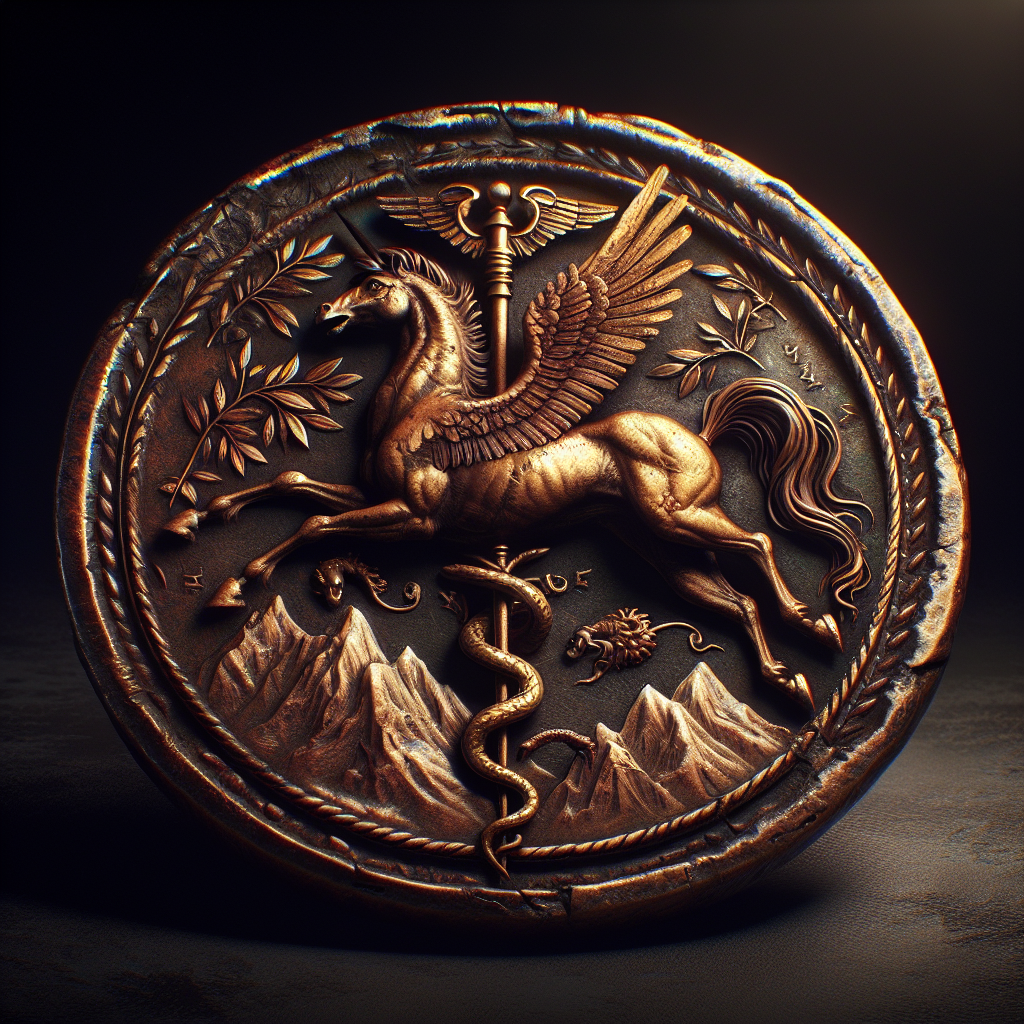
Roman coinage, spanning over a millennium, serves as a vital historical artifact, reflecting not only the economic practices of the empire but also its cultural and religious beliefs. Among the myriad of images that adorned the coins, mythological symbols stand out as significant representations of Ancient Roman ideology, values, and the political narratives of their time.
The Role of Coinage in Roman Society
Before delving into the specifics of mythological symbols, it is essential to understand the functional role of coinage in Roman society. Coins were not merely a means of trade; they were used to convey political messages, legitimize authority, and disseminate cultural norms. Coins circulated throughout the vast reaches of the empire, making them an effective medium for communication.
Every aspect of a coin – its denomination, imagery, inscriptions, and minting authority – was carefully designed to convey a particular message. Mithological figures often adorned the coins of emperors and significant political figures, reflecting their power, divine favor, and connection to Rome’s religious heritage.
Common Mythological Symbols and Their Significance
-
The Goddess Venus:
Venus, the goddess of love and beauty, was frequently represented on Roman coinage. Her imagery often conveyed messages of prosperity and good fortune, making her a popular symbol for emperors aiming to associate themselves with favorable attributes.For instance, coins from the reign of Emperor Julius Caesar often depict Venus, underlining his divine lineage – as he claimed descent from the goddess through his ancestor Aeneas. This association served to legitimize his power and reinforce the idea of the emperor as a semi-divine figure, blessed by the gods.
-
Mars, the God of War:
Mars, the martial deity, was another prevalent symbol found in Roman coinage. Coins bearing his image often served to reflect Rome’s military strength and its aggressive expansionist policies. Depicting Mars not only celebrated military victories but also instilled national pride.During the times of emperors like Augustus, Mars’s imagery was used to draw parallels between the ruler and Rome’s divine protector, reinforcing the emperor’s role as a leader who safeguarded the empire.
-
Jupiter, the King of Gods:
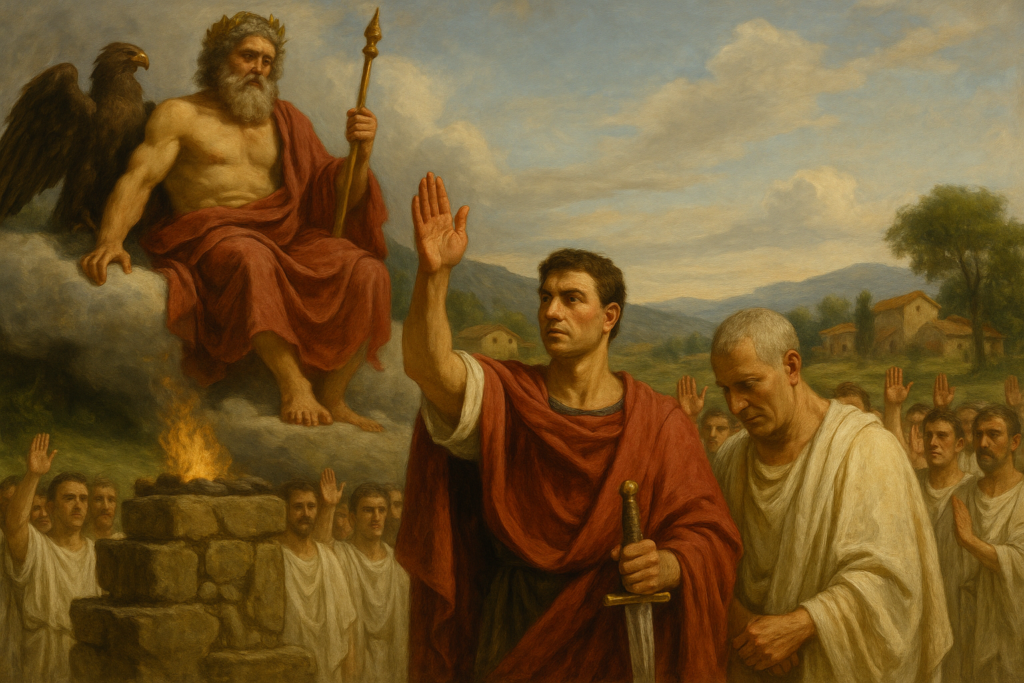
Jupiter, the chief of the Roman pantheon, is frequently depicted on coins, often in a standing or seated position, holding symbols of power such as the thunderbolt or scepter. Coins featuring Jupiter emphasized imperial authority and divine protection over the state.For example, during times of crisis, rulers would mint coins featuring Jupiter to reassure the populace of divine support and stability. His portrayal helped mitigate concerns by communicating that the emperor held the favor of the highest god.
-
Minerva, the Goddess of Wisdom:
Renowned for her intelligence and strategic warfare skills, Minerva was a popular figure symbolizing wisdom and skilled governance. Coins featuring her image signified not only military prowess but also the wisdom required to lead effectively.Emperors often commissioned coins with Minerva to project themselves as knowledgeable and capable leaders, wise enough to navigate the complexities of governance and military engagements.
-
Ceres, the Goddess of Agriculture:
Ceres, the goddess associated with agriculture and fertility, had her place on coins, especially in times of agricultural hardship. Her representation emphasized the importance of agriculture in Roman life and sought to reassure citizens of the state’s commitment to their welfare.Coins depicting Ceres served as reminders of prosperity and stability, particularly during periods of economic uncertainty, and were a testament to the Roman people’s deep-rooted connection to the land.
The Influence of Mythology on Political Propaganda
Roman emperors cleverly leveraged mythological figures in their coinage to craft narratives that bolstered their reign. By associating themselves with venerated deities, emperors aimed to position their rule as divinely sanctioned. This connection became especially pronounced during critical transitions of power, such as the establishment of the Flavian Dynasty or the rise of Constantine.
Take, for instance, coins minted during the tumultuous era of the Year of the Four Emperors (69 AD). Each emperor sought to legitimize their rule through mythological associations. Vespasian, for example, utilized imagery of the goddess Fortuna on his coins to invoke the notion of fate, presenting his rule as preordained and inevitable.
Cultural Exchange and Influence
While Roman mythology formed the foundation of these coin designs, the empire’s extensive reach led to significant cultural exchange. As Rome conquered new territories, elements of local deities began to merge with Roman iconography. For example, Roman coins minted in Gaul might blend local symbols with Roman ones, reflecting both Roman supremacy and cultural inclusivity.
Similarly, with the adoption of Christianity in the later empire, the shift in religious symbols became evident on coins. While mythological symbols still held sway, figures like Christ began to emerge, heralding a transition from paganism to a burgeoning Christian ethos. This evolution illustrates the adaptability of symbolic representation in coinage, echoing broader societal changes.
The Legacy of Mythological Symbols in Roman Coinage
The study of mythological symbols on Roman coinage offers profound insights into not only the economic landscape of ancient Rome but also its values, aspirations, and fears. These coins serve as historical documents, revealing the ways in which symbolism was used to communicate complex narratives of power, legitimacy, and cultural identity.
In today’s world, the legacy of Roman coinage endures, inspiring modern artists, historians, and numismatists. The mythological symbols that once shaped the beliefs and structure of an empire now serve as reminders of a civilization that intricately linked the divine and the earthly, the cultural and the political, allowing us a glimpse into the mindset of a society that has significantly shaped the course of Western civilization.
Conclusion
In conclusion, mythological symbols in Roman coinage encapsulate a rich tapestry of beliefs, politics, and identity. They reveal how the Roman state utilized mythology to reinforce authority, manage public perception, and communicate core values. Through the lens of these small yet powerful artifacts, one can appreciate the profound impact of mythology on Roman life and governance, an influence that resonates to this very day.