Chthonic Deities: Roman Myths of the Underworld
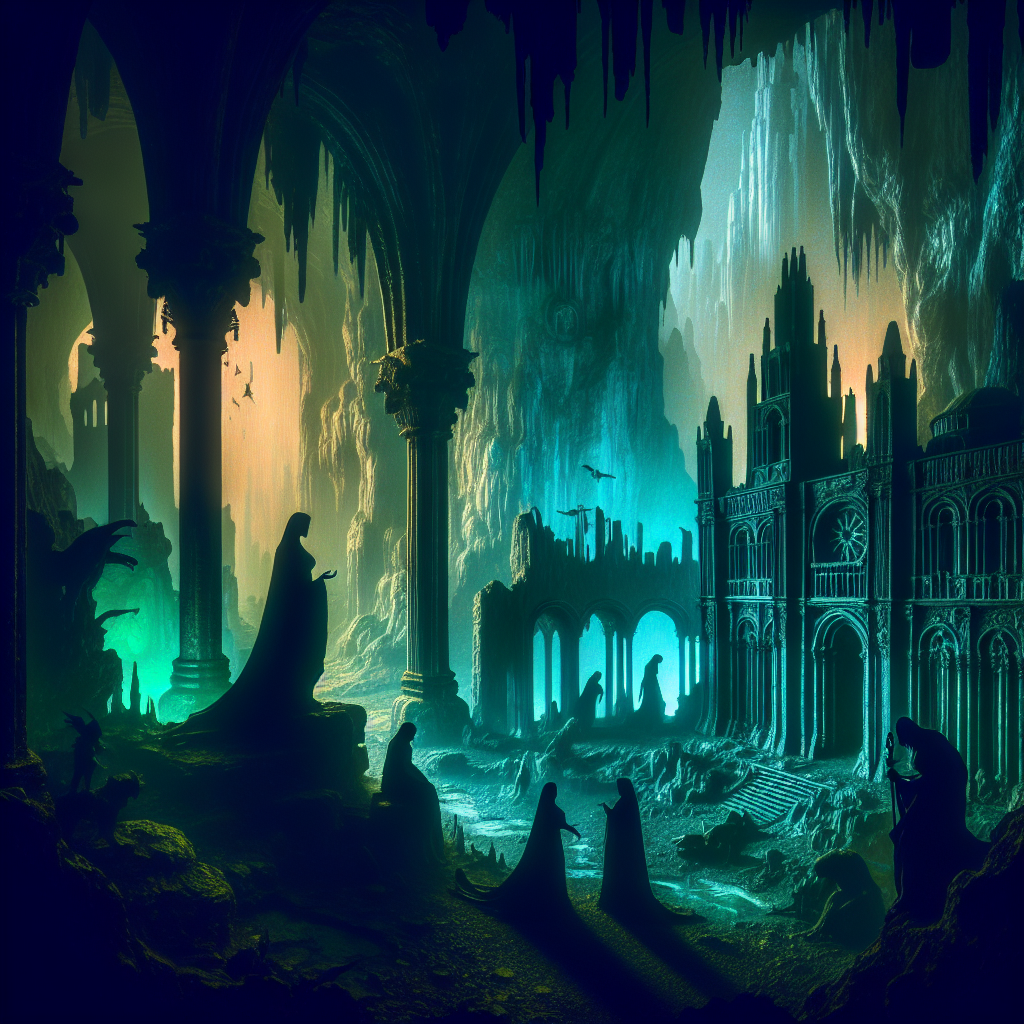
The Roman pantheon, with its rich tapestry of gods and goddesses, extends beyond the realms of Mount Olympus and skyward deities to include a series of intriguing Chthonic deities associated with the underworld. Chthonic, derived from the Greek word chthōn, meaning “of the earth,” encompasses a set of divine figures who preside over the realm beneath the surface, where souls go after death. These figures embody complex themes of life, death, and rebirth, reflecting ancient Roman attitudes towards mortality and the afterlife.
Understanding Chthonic Deities
Chthonic deities represent the forces of the earth, particularly those related to the dead, the afterlife, agricultural fertility, and seasonal cycles. Their domains often delve into the darker aspects of nature—decay, the passage of time, and the inevitability of death. Unlike their celestial counterparts, Chthonic figures often evoke a sense of dread and respect, embodying the duality of death as both an end and a gateway to new beginnings.
In Roman mythology, the underworld was referred to as Orcus, a shadowy realm where souls were judged and assigned to their eternal fates. This belief system was heavily influenced by earlier Greek mythology, yet it evolved to encompass unique Roman characteristics and values, particularly the emphasis on the significance of ancestral veneration and the social hierarchy of both the living and the dead.
Key Chthonic Deities in Roman Mythology
Pluto
One of the most prominent Chthonic deities in Roman mythology is Pluto (known as Hades in Greek mythology). As the god of the underworld, Pluto presided over the souls of the deceased and the riches hidden within the earth, including precious metals and fertile soil. Unlike the fearsome image often associated with the Greek Hades, Pluto was not exclusively considered malevolent; rather, he represented the natural cycle of life and death.
Pluto was often depicted with a cornucopia, symbolizing the earth’s abundance, and sometimes appeared with his three-headed dog, Cerberus, who guarded the entrance to the underworld. His Roman counterpart also shared a connection with wealth and agriculture, embodying the belief that death is a necessary process for the rejuvenation of life.
Proserpina
Another significant Chthonic figure is Proserpina (the Greek Persephone), the queen of the underworld and daughter of Ceres, the goddess of agriculture. Proserpina’s narrative is emblematic of the seasonal cycle of growth and decay. According to myth, she was abducted by Pluto to dwell in the underworld, leading to her mother’s grief and the earth’s barrenness during the months Proserpina spent below. Her eventual return in spring symbolizes rebirth and the cyclical nature of life.
The myth of Proserpina reflects the duality of existence—joy and sorrow, life and death, and the inextricable link between nature and the human experience. Roman festivals, such as the Cerealia, were dedicated to honoring both Ceres and Proserpina, serving as reminders of the agricultural basis of society and the profound connection to the deities of the underworld.
Orcus
Orcus, another important deity, represented a more ominous aspect of the underworld. Often considered a punisher of the dead, he was associated with the horrors of eternal damnation and the fear of death. Orcus emphasized the moral consequences of one’s actions during life, reinforcing the Roman cultural values regarding virtues and vices.
This duality of Chthonic deities—of benevolence mixed with the potential for retribution—highlights an essential aspect of Roman belief systems: a balance between fear and reverence. While Orcus personified the darker side of death, he also underscored the importance of maintaining familial bonds and performing proper burial rites to ensure peace for the deceased.
The Manes and Lemures
In Roman belief, the souls of the departed could exist as Manes, benevolent spirits who watched over their living relatives, and Lemures, malevolent spirits that haunted the living if proper honor and tributes were not given. The annual festival of Lemuria, observed in May, was dedicated to appeasing these restless spirits, emphasizing the Roman respect for ancestors and the significance of commemorating the deceased to maintain familial harmony.
Roman Rites and Beliefs Surrounding Chthonic Deities
The Romans engaged in numerous religious practices and rituals to honor Chthonic deities, reflecting a pervasive belief in the afterlife and the ongoing relationship between the living and the dead. Funerary customs were particularly vital; burial rituals were conducted meticulously to ensure that the spirit of the deceased traveled to the underworld peacefully. The use of offerings, sacrifices, and prayers to Pluto, Proserpina, and other Chthonic deities was common to secure their favor and protection over the souls of the departed.
Additionally, the Romans believed in the concept of the mundus, a sacred space that connected the Earth to the underworld. The mundus was often opened during specific rituals, allowing the dead to revisit the living. This practice underscores the profound belief in the interconnectedness of the living and the dead in Roman society, revealing a culture that viewed death not as an end but as a continuation of existence in another form.
Conclusion
Chthonic deities in Roman mythology offer a fascinating glimpse into the ancient civilization’s understanding of life, death, and the cyclical nature of existence. Figures like Pluto, Proserpina, and Orcus embody a complex interplay of reverence and fear, highlighting the Romans’ nuanced perspective on mortality and the afterlife. Through rituals, customs, and narratives, these deities shaped societal values and beliefs, influencing generations to come.
In an age where discussions of death can often feel taboo, the Chthonic deities remind us of the importance of recognizing the cyclical journey of life and death—a theme that remains as relevant today as it did in ancient Rome. By examining these myths, we not only trace the history of Roman culture but also grasp the timeless human quest to understand the mysteries that lie beneath the surface of existence.