The Influence of Egyptian Mythology on Neighboring Cultures

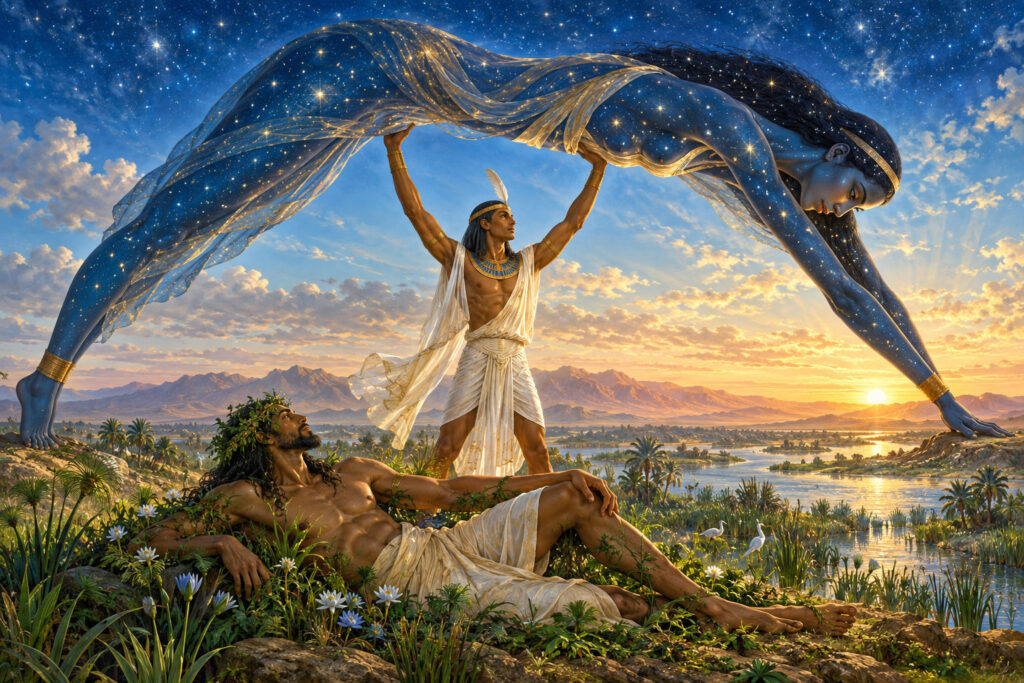
Egyptian mythology, with its pantheon of gods, beliefs, and complex narratives, has long been one of the most captivating mythological systems in the world. Its impact extended far beyond the borders of ancient Egypt, permeating neighboring cultures and influencing their religious, cultural, and artistic expressions. This article explores the ways in which Egyptian mythology influenced neighboring civilizations, including Nubia, the Levant, and the Mediterranean world, highlighting key themes and deities that traveled along with it.
Egyptian Mythology: An Overview
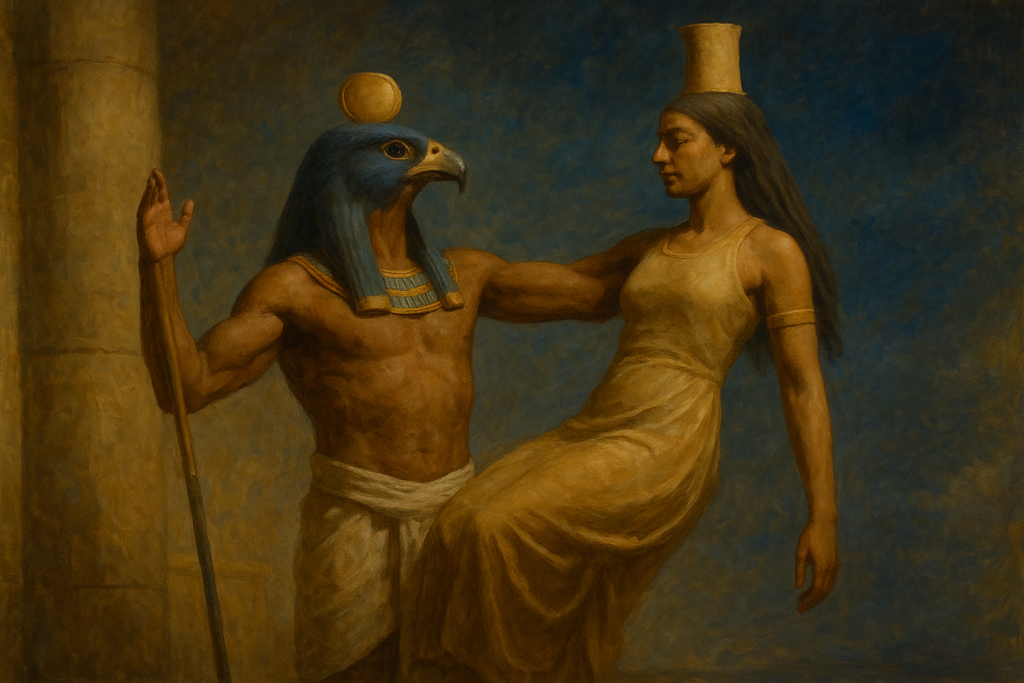
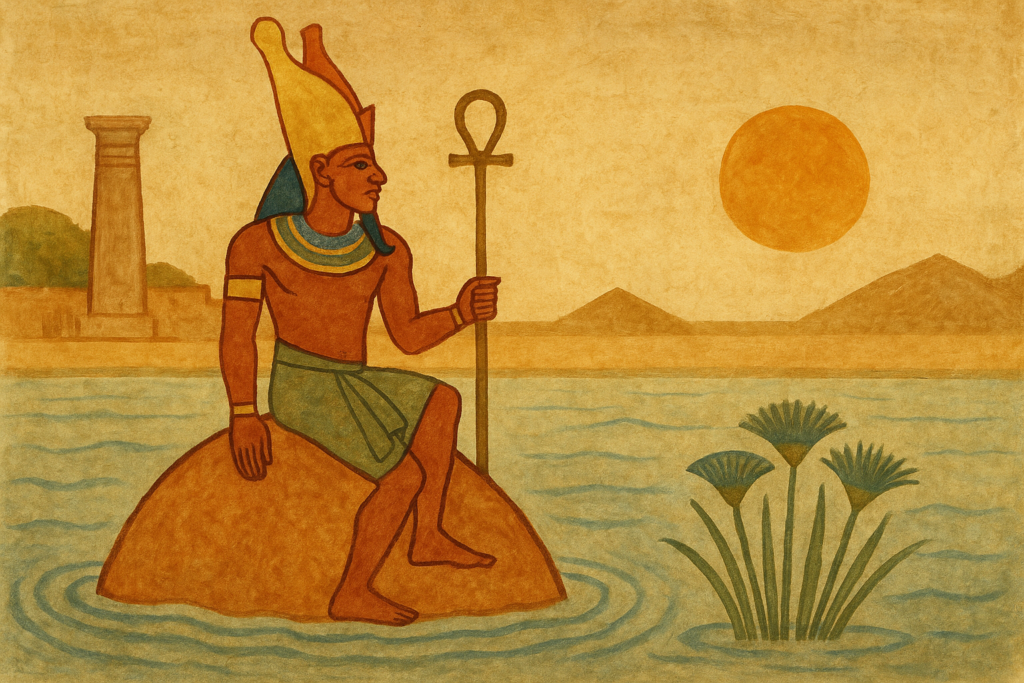
Before delving into its influence, it is essential to understand the core components of Egyptian mythology. Central to this belief system are deities like Ra, Osiris, Isis, and Anubis, each embodying different aspects of life, death, and the natural world. Myths served not just as religious narratives, but also as frameworks for understanding existence, the afterlife, and the cyclical nature of time.
The Egyptians’ rich mythology was deeply intertwined with their culture, particularly in architecture, arts, and rituals. Temples, pyramids, and tombs were designed not merely as structures but as reflections of divine order, embodying the stories of the gods in their very foundation and decoration.
Nubia: A Cultural Crossroads
Nubia, located south of Egypt along the Nile, was one of the first regions to absorb Egyptian influences. The Kingdom of Kush, the most prominent Nubian state, engaged in both warfare and trade with Egypt, leading to a significant cultural exchange. Nubian rulers, particularly during the 25th Dynasty, adopted Egyptian customs, governance systems, and religious practices.
One clear example of this influence is the worship of similar deities. The Nubians revered gods such as Amun and Osiris, adopting and adapting their mythologies. The depiction of deities in Nubian art mirrored Egyptian styles, often incorporating elements like the ankh and hieroglyphs. Nubian temples were designed in the Egyptian style, and many Kushite pharaohs claimed descent from Egyptian gods, reinforcing the merging of myths between these cultures.
The Levant: Interconnected Beliefs
Moving to the northeast, the Levant—a region encompassing modern-day Syria, Lebanon, Israel, and Palestine—also experienced the influence of Egyptian mythology. Archaeological findings reveal that Egyptian deities were worshipped in these areas, especially during the periods of Egyptian dominance, such as the New Kingdom.
For instance, the Canaanites absorbed many Egyptian myths, particularly those concerning creation and the afterlife. The god Baal, a central figure in Canaanite mythology, began to share traits with Egyptian deities like Osiris and Amun, particularly in his associations with fertility, storms, and death. The Canaanites adopted elements of Egyptian burial practices, including certain rituals for the deceased that emphasize the journey to the afterlife, echoing themes found in the Egyptian Book of the Dead.
Furthermore, during periods such as the Amarna Period under Akhenaten, some of the reforms regarding the worship of Aton seeped into Levantine cultures, merging monotheistic concepts with traditional polytheistic beliefs. This cultural exchange illustrates how Egyptian mythology not only influenced local deities but also fostered new religious movements in the region.
The Mediterranean World: Trade and Exchange
As civilization spread across the Mediterranean, Egyptian mythology made a substantial impact on Greek and Roman cultures. The Greeks, known for their extensive trade and colonization, were particularly fascinated by Egyptian religion and mythology. Numerous Greek philosophers and historians traveled to Egypt, documenting their insights concerning Egyptian wisdom and spirituality.
The Greeks adopted various Egyptian deities, often assimilating them into their own pantheon with new names. For example, the goddess Isis became a widely worshipped figure in Greece and Rome, revered for her protective qualities and association with motherhood and fertility. The cult of Isis gained significant traction, leading to the construction of temples dedicated to her across the Mediterranean, often characterized by clear Egyptian stylistic features.
Moreover, Hermes Trismegistus, a syncretic figure blending the Greek god Hermes with Thoth, the Egyptian god of wisdom, emerged as a symbol of mystical knowledge. His works, particularly the Emerald Tablet, laid the groundwork for alchemical traditions in the West, illustrating how intertwined Egyptian elements were with emerging Mediterranean philosophies.
Artistic Expressions and Symbolism
The impact of Egyptian mythology is perhaps most evident in art and visual culture across neighboring civilizations. The motifs associated with Egyptian deities permeated artistic expressions in Nubia, the Levant, and the Mediterranean. The use of symbols such as the Eye of Horus and the scarab beetle appeared in jewelry, amulets, and architectural ornamentation, echoing their original meanings in Egyptian culture.
Artists in these regions adopted the structural styles of Egyptian temples and tombs, utilizing columns, monumental structures, and intricate carvings. For example, Greek and Roman temples bore hieroglyphic influences in their design, and depictions of gods in friezes often reflected the stylized nature of Egyptian art.
Lasting Legacy
The reverberations of Egyptian mythology are not limited to the ancient world. Today, elements of this rich mythological tradition continue to inspire literature, art, and popular culture worldwide. The fascination with Egyptian deities, particularly in the fields of fantasy and science fiction, illustrates their lasting appeal. Movies and literature often draw upon Egyptian themes, evoking the allure and mystery surrounding ancient Egypt.
In conclusion, the influence of Egyptian mythology extended far beyond the Nile Valley, shaping the cultural and religious landscapes of Nubia, the Levant, and the Mediterranean world. Through trade, conquest, and the interconnectedness of ancient civilizations, Egyptian beliefs merged with local traditions, giving rise to a rich tapestry of mythological narratives that continue to capture the human imagination. The cross-cultural exchange fostered by Egyptian mythology serves as a testament to the enduring power of myth in shaping beliefs and cultures throughout history.