Reincarnation in Ancient Egyptian Beliefs

The concept of reincarnation, while often associated with Eastern philosophies and religions, finds intriguing parallels in ancient Egyptian beliefs. The Egyptians, known for their intricate rituals surrounding death and the afterlife, possessed a remarkably complex view of the soul and its journey beyond this life. This article explores how reincarnation intertwined with their beliefs, rituals, and societal structures, painting a picture of a civilization deeply engaged with the notions of life, death, and rebirth.
The Egyptian Soul: A Multi-faceted Entity
In ancient Egyptian thought, the human being was not seen as a singular entity but rather a composite of several components, each with its own function and destiny. The primary elements included:
-
Ka: Often described as the life force or spirit, the Ka represented the vital essence of an individual. It was believed to require sustenance, and thus offerings of food and drink were essential even after death.
-
Ba: This aspect of the soul was thought to represent personality and individuality. The Ba could leave the body and travel freely, symbolizing the conscious self that could interact with the living and the divine.
-
Akh: This component emerged after the individual’s successful passage through the afterlife, representing a glorified state of existence. The Akh was a form of eternal light, connecting the individual to the divine.
The interplay between these elements created a complex understanding of life, death, and what lay beyond. While Egyptians did not possess an explicit theory of reincarnation as understood in Eastern religions, they believed in a cyclical nature of life and death, suggesting a form of continuity where the soul experiences transitions between various states.
Death and the Afterlife: A Cosmic Journey
The ancient Egyptians viewed death not as an end but as a transition to another phase of existence. This notion is especially evident in the elaborate burial practices they developed over millennia. The deceased were often entombed with items they might need in the afterlife, reinforcing a belief in an ongoing journey rather than a final departure.
The Book of the Dead, a compilation of spells and prayers, served as a guide for the deceased navigating the afterlife. One of the critical aspects of this journey involved the judgment of the soul by Osiris, the god of the afterlife. The deceased would stand before the Weighing of the Heart ceremony, where their heart was weighed against the feather of Ma’at, the goddess of truth and justice. A heart lighter than the feather signified a virtuous life, granting access to the Field of Reeds, an idealized paradise.
While this judgment process did not explicitly suggest reincarnation, it underlined the interconnectedness of past actions, present existence, and future states. The belief in a moral order shaped individual lives, creating a cyclical relationship with existence.
The Concept of Maat: Order, Balance, and Rebirth
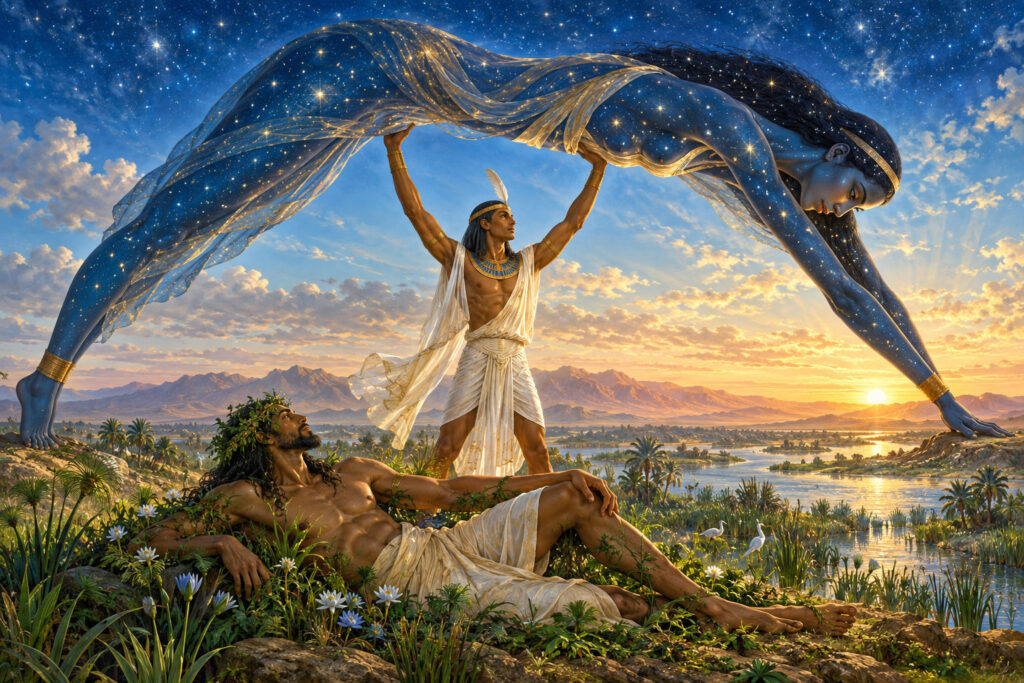
Central to Egyptian belief was the concept of Ma’at, representing truth, balance, and cosmic order. The maintenance of Ma’at was seen as crucial for the harmony of the universe. This principle was deeply interwoven with the ideas of death and rebirth. Just as the sun was believed to die each evening and be reborn at dawn, Egyptians perceived a cyclic pattern in the world, symbolizing renewal and regeneration.
Ma’at influenced how individuals lived their lives, encouraging ethical behavior and social responsibility. It served as the foundation for societal laws, guiding authorities and citizens alike. The cyclical nature of existence, eloquently mirrored in the daily rhythmic journey of the sun, encouraged Egyptians to view death not with dread but as an opportunity for renewal and transformation.
The Role of Rituals and Funerary Practices
The significance of rituals in ancient Egyptian culture cannot be overstated. Funerary practices were marked by elaborate ceremonies featuring embalming, mummification, and the construction of tombs. These practices aimed to preserve the body and ensure a safe passage into the afterlife. Mummification, in particular, focused on the preservation of the physical form to allow the Ka and Ba to reunite successfully.
Tombs often featured wall reliefs and artifacts intended to support the deceased in their journey, evoking the dual themes of memory and continuity. Rituals such as the Opening of the Mouth ceremony symbolically reactivated the senses of the deceased, enabling them to navigate the afterlife. By investing so much in these practices, the Egyptians demonstrated a profound belief in the afterlife’s reality and the possibility of transformation within it.
Rebirth in Mythology: The Osiris Myth
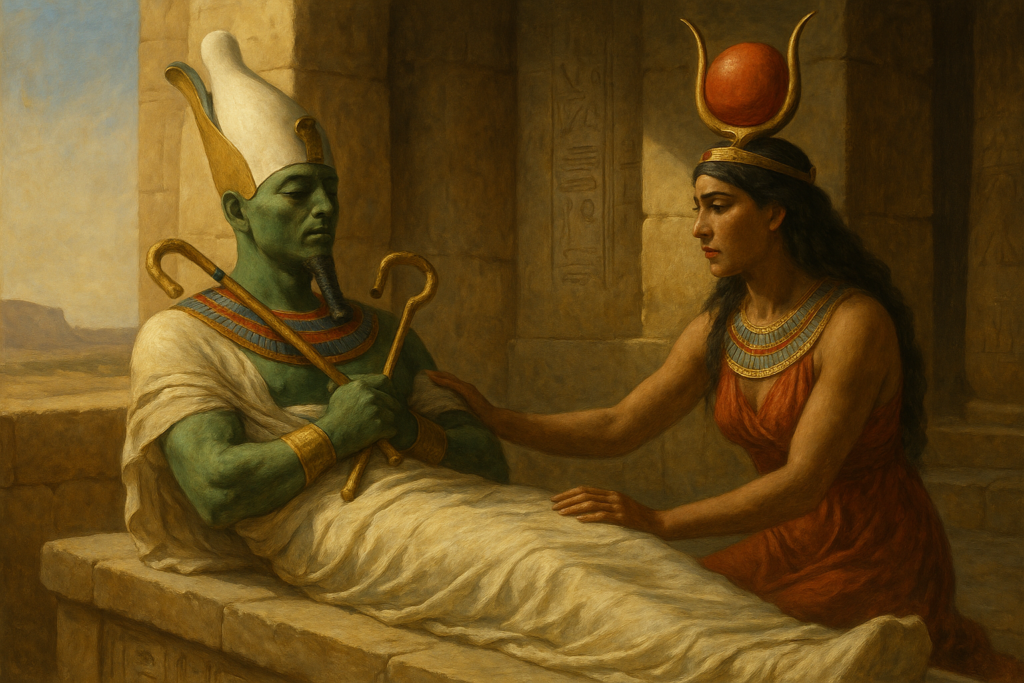
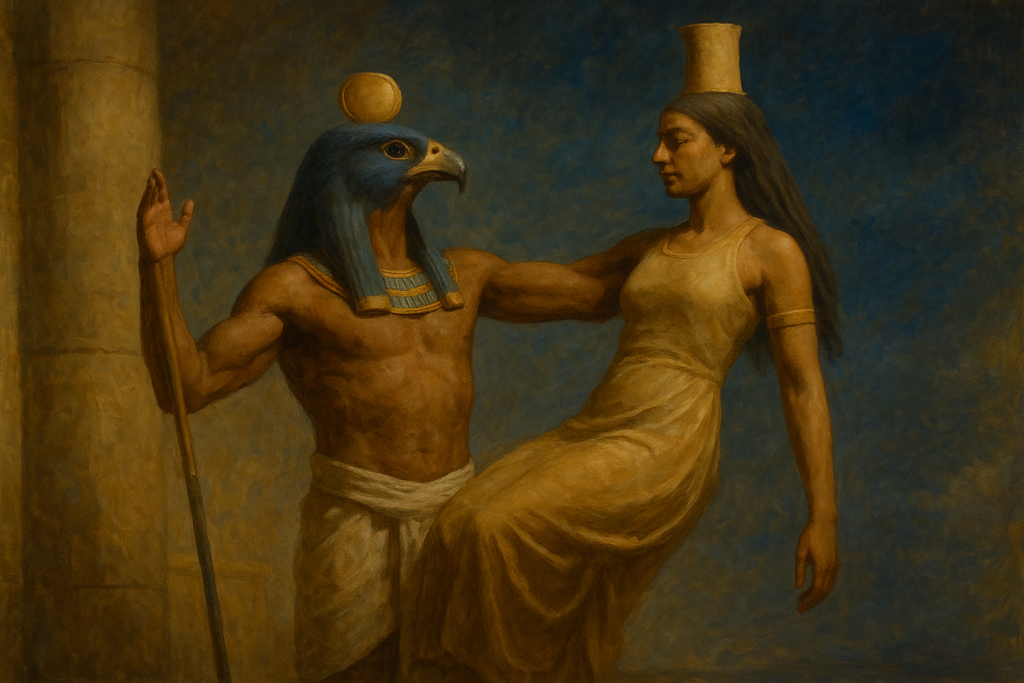
Central to Egyptian beliefs about rebirth is the myth of Osiris, the god who embodies the cycle of death and resurrection. Osiris was killed by his brother Seth, only to be resurrected by his wife, Isis, and ultimately became the ruler of the underworld. This myth was not merely a narrative but a cornerstone of the Egyptian worldview, symbolizing the cycles of agriculture, the annual flooding of the Nile, and the promise of eternal life.
The story of Osiris offered hope and reassurance to the Egyptians, reinforcing the belief that death was not the end. Instead, it was a necessary part of a greater cycle—one that promised rebirth and continuation. Every year, as the Nile flooded, it brought fertility to the land, paralleling the themes of death and new life present in the Osiris myth.
Conclusion: The Legacy of Ancient Egyptian Beliefs
While ancient Egyptian beliefs may not align perfectly with modern notions of reincarnation, their understanding of the soul, the afterlife, and the cyclical nature of existence reflects profound insights into the human experience. The focus on moral living, the significance of rituals, and the myths that celebrated rebirth all contributed to a worldview that saw death as a transformation rather than an end.
In examining the fabric of ancient Egyptian life, we find a civilization that grappled with existential questions, seeking to understand the intricate dance between life, death, and the possibility of renewal. Their beliefs endure as a testament to the enduring human quest for meaning and continuity beyond the boundaries of mortality, echoing through time and resonating with spiritual seekers even today.