The Sacred Barque: Boats in Egyptian Myth and Their Significance
The ancient Egyptians held a unique and profound relationship with the Nile River, often referred to as the “giver of life.” Central to their cultural and religious landscape were the boats, particularly the sacred barque, which played a significant role in various myths and rituals. These vessels were not merely modes of transportation; they were seen as divine manifestations, connecting the earthly realm to the heavens and embodying the eternal passage of life and death.
The Symbolism of Water and Boats in Egyptian Culture
Water, especially the flowing Nile, was revered in Egyptian culture as a source of fertility and sustenance. The river’s annual flooding would bring nutrient-rich silt, allowing agriculture to thrive. Boats were thus symbolic of this life-giving force, representing both physical travel along the river and spiritual journeys through life and the afterlife. The Egyptians believed that boats could transport souls, making them essential for interceding between the realms of the living and the dead.
The Sacred Barque: A Divine Vessel
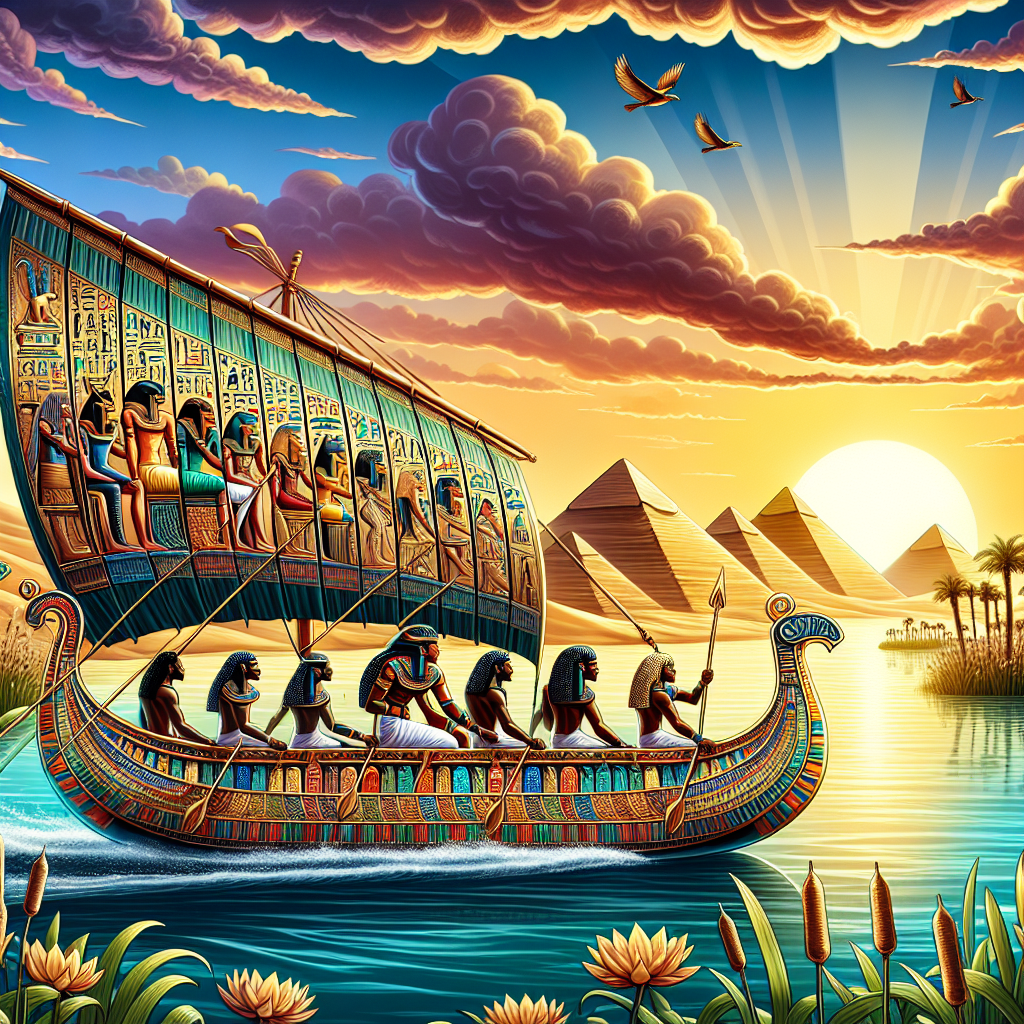
The sacred barque, or “bark,” was a boat used in the religious rituals of the ancient Egyptians. Most notably, the barque of the sun god Ra, known as the “Barque of Millions of Years,” was central to the daily journey of Ra across the sky. According to mythology, each night, Ra would voyage through the underworld, battling the forces of chaos personified by the serpent Apep before ultimately emerging victorious at dawn.
The journey of the barque represented the cycle of life, death, and rebirth. Just as Ra was reborn each day, the barque symbolized the perpetual renewal of life and the essence of existence. This boat was lavishly adorned, often depicted with a falcon-headed prow representing Ra himself, and would be used in ceremonial parades during festivals.
Construction and Ritual Use of Sacred Barques
The Egyptians believed that the construction of a sacred barque required divine guidance and immense craftsmanship. These vessels were made from high-quality wood, sometimes gilded or intricately painted. The Egyptians dedicated significant resources to building and maintaining these barques, which were often housed in temples.
Ceremonies surrounding the sacred barques involved a variety of rituals, from cleansing the boat to adorning it with offerings. The rituals would often be performed by priests who would invoke the presence of the deities associated with the barque. Such ceremonies were essential to maintain the favor of the gods and ensure the balance of the cosmos.
Mythological Context: The Sun God Ra
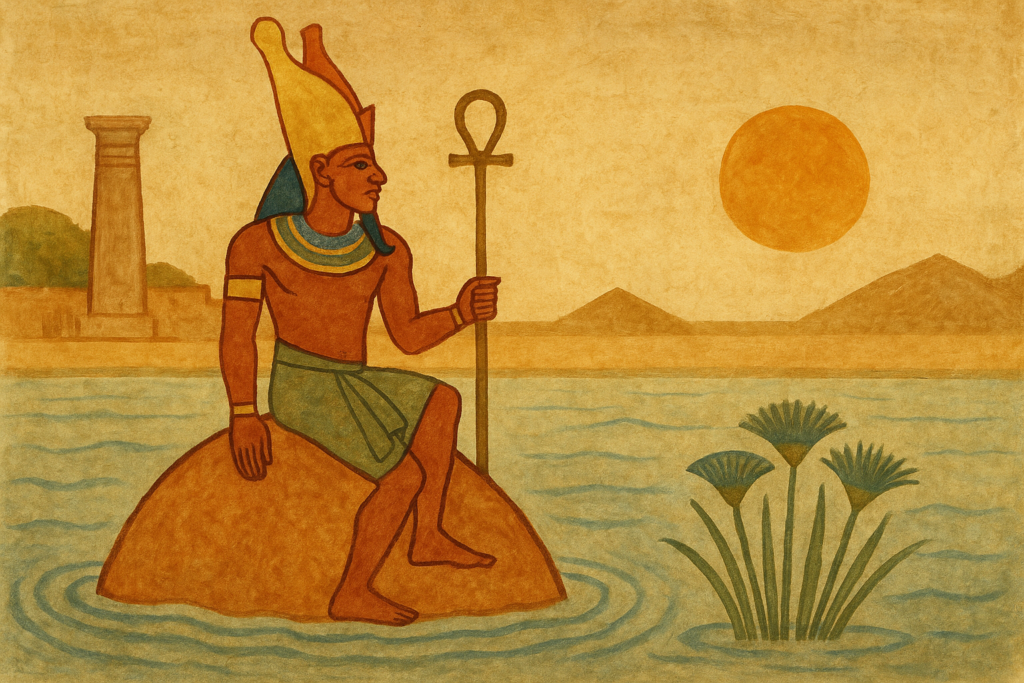
Ra, the sun god, was one of the most important deities in Egyptian mythology. His journey across the sky on the barque each day symbolized the triumph over darkness and chaos. The belief was that Ra embarked on a perilous journey each night through the Duat (the Egyptian underworld), facing various challenges before emerging at dawn.
The sacred barque thus became a powerful symbol of the unity between the earthly division of time and the divine order of the cosmos. Beyond Ra, other gods also had their barques. Osiris, the god of the afterlife, had a barque that facilitated the passage of souls to the realm of the dead. These vessels allowed for a fluid connection between various aspects of existence, whether it be life, death, or the cyclical nature of time.
Life, Death, and the Afterlife
The significance of boats extended deeply into the afterlife beliefs of ancient Egyptians. The deceased were often depicted as embarking on a journey similar to that of the gods, using the sacred barque to traverse the waters leading to the afterlife. The “Book of the Dead” contains spells and instructions intended to assist the deceased in navigating this journey, ensuring safe passage across the Nile and through the trials of the underworld.
Tombs were often constructed to resemble boats, symbolizing the deceased’s navigation of the afterlife. In some cases, model boats would be included in burial sites as offerings or tools for the deceased to use in their voyage. This practice highlights how integral the concept of boats was to both life and the afterlife in Egyptian culture.
Festivals and Public Displays of Sacred Barques
The sacred barques were not limited to temple use but were also featured in public festivals, such as the Opet Festival and the Beautiful Feast of the Valley. During these events, the barques were paraded through the streets, symbolizing the divine presence of the gods among the people. The processions were significant community events, reinforcing social order and stability.
The Opet Festival celebrated the annual flooding of the Nile and the fertility it brought. In these celebrations, the barques traveled between the Karnak and Luxor temples, symbolizing the connection between the living and the divine. Such communal celebrations allowed the populace to engage with their mythology and reinforce their spiritual beliefs.
Conclusion: The Enduring Legacy of Sacred Barques
The sacred barque is a powerful symbol that encapsulates the ancient Egyptian worldview, reflecting beliefs about life, death, and the divine interplay of forces in the universe. Boats were not simply physical objects; they were sacred conduits for the gods, serving as vehicles of transformation and connection.
As we look back at the art, architecture, and mythology of ancient Egypt, the importance of the sacred barque stands out as a testament to their intricate beliefs and relationships with the environment. The narratives surrounding the sacred barque continue to capture the imagination, offering insights into a civilization that sought to understand the mysteries of life and the cosmos through the lens of water and journey. Today, these ancient vessels serve as reminders of the timeless themes of existence, transformation, and the eternal connection between life and the afterlife.