Nymphs and Nature: Spirits in Roman Mythology
Nymphs and Nature: Spirits in Roman Mythology
In the rich tapestry of Roman mythology, nymphs stand out as enchanting figures that embody the beauty and vitality of nature. These divine spirits, often associated with various natural elements, played a significant role in both myth and culture, influencing art, literature, and religious practices. Understanding nymphs involves exploring their characteristics, classifications, and the integral role they played in Roman society and belief systems.
The Nature of Nymphs
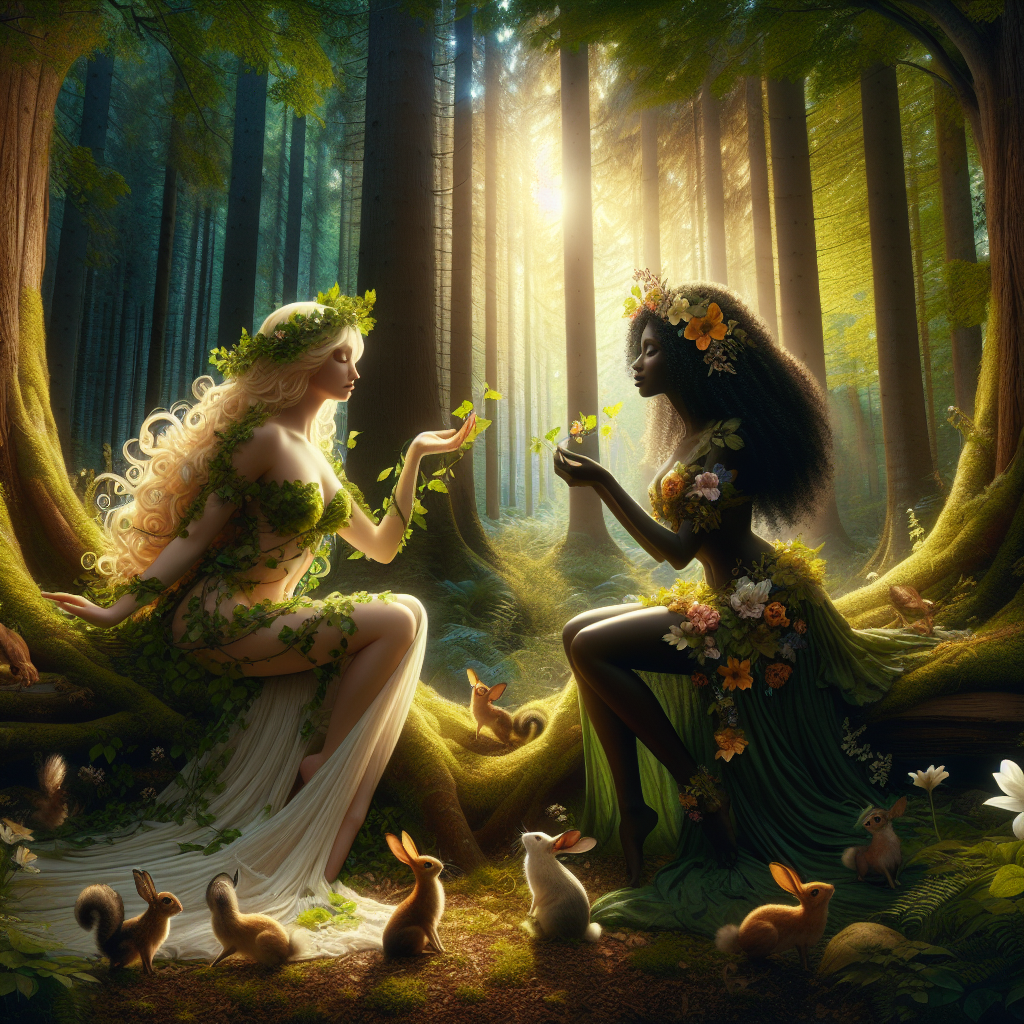
Nymphs are typically described as female spirits that dwell in specific natural settings. They are often depicted as young and beautiful, embodying the essence of the landscapes they inhabit. Unlike deities who possess immense power, nymphs represent a more localized form of divinity, closely tied to particular trees, streams, mountains, or other elements of the natural world. In Roman mythology, nymphs are seen as both benevolent and occasionally capricious, reflecting the multifaceted relationship humans have with nature.
Classifications of Nymphs
Nymphs can be categorized into several distinct groups based on the natural elements they are associated with:
-
Oceanids: These nymphs are the daughters of Oceanus and Tethys, personifying ocean waters. They are often depicted as guardians of the seas, wielding influences over maritime realms.
-
Naiads: Representing freshwater springs, brooks, and rivers, Naiads are often associated with healing and fertility. Their presence in myths frequently emphasizes themes of transformation, as they are known for their ability to bestow blessings or curses upon those who interact with them.
-
Dryads: Often referred to as tree nymphs, Dryads are primarily connected to oak trees but can be associated with other trees as well. They are considered protectors of the forest, symbolizing wisdom and resilience in nature.
-
Oreads: These mountain nymphs are associated with the heights—hills and mountains—and are known for their connection to the wilderness and untamed parts of the earth.
-
Nereids: Daughters of the sea god Nereus, Nereids are also associated with oceanic beauty. They are often depicted as gentle and kind, befriending sailors and guiding them through treacherous waters.
Nymphs in Roman Culture
The Romans integrated nymphs into their spiritual and cultural practices, often revering them in both domestic and public rituals. Temples dedicated to nymphs were commonplace, serving as sites for worship, healing, and festivals. These rituals highlighted the interdependence between nature and humanity. Agriculture, fishing, and pastoral activities were often accompanied by offerings to nymphs, acknowledging their role as sustainers and enhancers of life.
The Romans also depicted nymphs in art and literature, often illustrating their enchanting beauty and complex personalities. Writers such as Ovid and Virgil invested nymphs with profound emotional depth, exploring themes of love, loss, and transformation through their stories. In works like Ovid’s “Metamorphoses,” nymphs become vehicles for expressing the human condition—merging aspects of the divine with deeply relatable experiences and emotions.
Myths and Legends Featuring Nymphs
Nymphs often play pivotal roles in various myths, revealing their dual nature as both nurturing and dangerous. One famous myth involves the nymph Echo, who, after being spurned by Narcissus, lost her ability to communicate effectively and instead could only repeat what others said. This myth illustrates the complexities of love and identity, showing how nymphs can embody both tenderness and tragedy.
Another prominent figure is Daphne, a nymph who transformed into a laurel tree to escape the advances of Apollo. This tale reflects themes of desire, autonomy, and the tumultuous interactions between gods and mortals. The transformation underscores the idea that nymphs, while powerful and beautiful, are also subject to the whims of higher powers.
Symbolism of Nymphs
Nymphs are imbued with symbolic meanings, representing not only the beauty of nature but also the fragility of existence. They serve as reminders of the interconnectedness of all living things and the need to respect the environment. In many myths, the fate of a nymph is intertwined with the integrity of her natural surroundings. When forests are cut down, rivers are polluted, or mountains are quarried, it is said that the nymphs suffer, illustrating a profound spiritual connection between humanity and the earth.
This symbolism becomes particularly poignant in contemporary discussions of environmentalism. Nymphs can be seen as early representations of nature spirits, echoing modern movements that call for a deeper respect and appreciation for the environment. By understanding nymphs not merely as mythological figures but as embodiments of natural forces, we can draw parallels to current issues of conservation and biodiversity.
Conclusion
The nymphs of Roman mythology serve as more than just enchanting figures of folklore; they are vital symbols of humanity’s relationship with nature. Through their various roles in myths and their enduring presence in art and culture, nymphs remind us of the beauty, complexity, and fragility of the natural world. As guardians of the landscapes they inhabit, they prompt us to respect and cherish the environment—an urgent message that resonates now more than ever. By revisiting these ancient stories, we can gain insights into our own lives and the ecological challenges we face today, finding inspiration in the timelessness of nymphs and their eternal dance with nature.