The Cult of Mithras: Mystery Cults in Rome
The Cult of Mithras: Mystery Cults in Ancient Rome
Introduction
The ancient Roman world was a rich tapestry of beliefs, practices, and cults, each vying for the loyalty of its citizenry. Among these, the cult of Mithras stands out as one of the most enigmatic and fascinating mystery cults. Originating from the eastern provinces of the Roman Empire, Mithraism captured the imaginations of a diverse array of followers and provided them with spiritual solace and community. This article delves into the development, practices, and significance of the cult of Mithras, shedding light on its role within the broader spectrum of Roman religious life.
Origins of Mithraism
Mithraism traces its roots to the ancient Persian god Mithra, a deity associated with contracts and covenants, who later became a prominent figure in Zoroastrianism. As the Roman Empire expanded into territories like Persia, the traditional gods of these regions were often reinterpreted in the Roman context. Mithras was introduced with a new set of attributes, most notably as a god of light and truth who embodied bravery and the power of salvation.
The cult itself likely formed in the 1st century CE, emerging amidst the diverse religious landscape of the Roman Empire. While its exact origins remain debated, scholars believe it was heavily influenced by other mystery religions, including the cults of Isis and Cybele. These were marked by their initiatory rites, personal salvation, and communal identity, themes that were vital to the appeal of Mithraism.
Beliefs and Hierarchical Structure
Mithras was seen as a mediator between human beings and the supreme god, often equated with the Persian Ahura Mazda. Central to the beliefs of the cult was the idea of dualism, representing the ongoing battle between good and evil, light and darkness. Followers believed that Mithras facilitated the soul’s ascent after death, providing hope in the face of the uncertainties of life beyond.
The cult had a distinct hierarchical structure, reminiscent of military organization. Initiates progressed through several levels, marked by various rites of passage. The most widely recognized stages included:
- Corax (Raven): The first initiation, symbolizing the entry point into the cult.
- Nymphus (Bridegroom): The second level, representing engagement and commitment to Mithras.
- Miles (Soldier): The third initiation, often associated with warrior virtues.
- Leo (Lion), Perses (Persian), and Heliodromus (Sun Runner): Higher stages reflecting deeper spiritual knowledge and connection to Mithras.
Currently, the exact nature and details of these stages are still subjects of scholarly research since most knowledge comes from archaeological findings rather than comprehensive texts.
Practices and Rituals
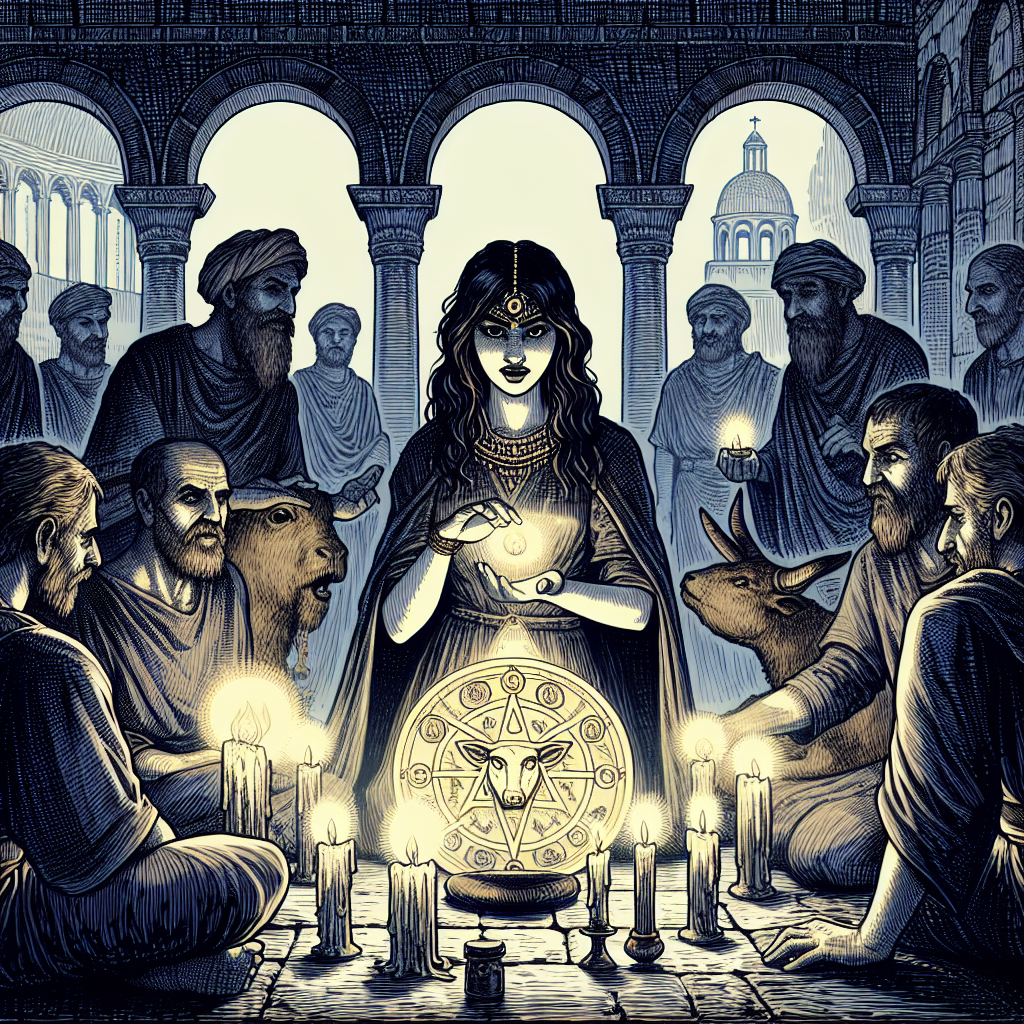
Rituals played a vital role in the cult, with temples known as Mithraea serving as the main sites of worship. These underground sanctuaries were often decorated with intricate frescoes and reliefs depicting the god’s iconic slaying of the bull, symbolizing life, fertility, and regeneration. This central myth, known as the “Tauroctony,” encapsulated the essence of Mithras’ power and was pivotal in ritual performances.
Initiation ceremonies included communal meals reminiscent of the Hellenistic symposium, often seen as a reflection of the Last Supper in Christian traditions. Through these sacred meals, initiates reaffirmed their bond to each other and to Mithras, creating a strong sense of community.
Further, the cult also embraced the concept of “mysteries,” secretive doctrines and rituals only accessible to initiated members. This exclusivity fostered a sense of belonging and a shared purpose among the adherents, acting as a counterbalance to the uncertainties of life in a cosmopolitan empire where traditional Roman values were increasingly challenged.
Societal Role and Decline
The cult of Mithras thrived particularly among soldiers, traders, and other itinerant groups throughout the empire, from the British Isles to the Levant. As a result, it facilitated cross-cultural exchange and the drawing together of social networks. Its emphasis on fraternity, loyalty, and moral rectitude resonated with recruits and served to solidify bonds within the military ranks.
However, as Christianity began to establish itself, Mithraism faced increasing challenges. In the 4th century CE, with the Edict of Milan (313 CE) granting religious tolerance to Christians, Mithraism lost its foothold as the official religion of the empire. The rise of Christianity marked not just a religious transition, but a deep cultural shift that favored more inclusive narratives and communal worship over the exclusivity upheld by mystery religions. By the end of the 4th century, Mithras and his followers had largely faded from the historical record.
Legacy and Modern Interpretations
While the cult of Mithras fell into decline, its legacy continued to influence later religious and cultural movements. The iconography of Mithras, particularly the bull-slaying motif, can be seen reflected in various artistic expressions throughout European history. Some scholars have drawn parallels between Mithraic rituals and early Christian practices, leading to debates about potential syncretism during the formative years of Christianity.
In contemporary times, the study of Mithraism has experienced a revival among scholars and enthusiasts intrigued by its mystery, symbolism, and cultural significance. Modern interpretations often emphasize the themes of dualism, salvation, and personal transformation—ideas that continue to resonate in today’s spiritual landscape.
Conclusion
The cult of Mithras represents a vivid example of the complexities of religious practice in ancient Rome. As a mystery cult, it not only filled a spiritual void but also united individuals across diverse backgrounds through shared beliefs and communal rituals. Its rise and fall reflect broader cultural transitions within the Roman Empire, illustrating how belief systems evolve and influence each other over time. As we continue to unearth the fragments of Mithraism, we not only gain insight into a forgotten past but also learn about the persistent human search for meaning, community, and connection in an ever-changing world.