The Role of Dreams and Myth in Roman Culture
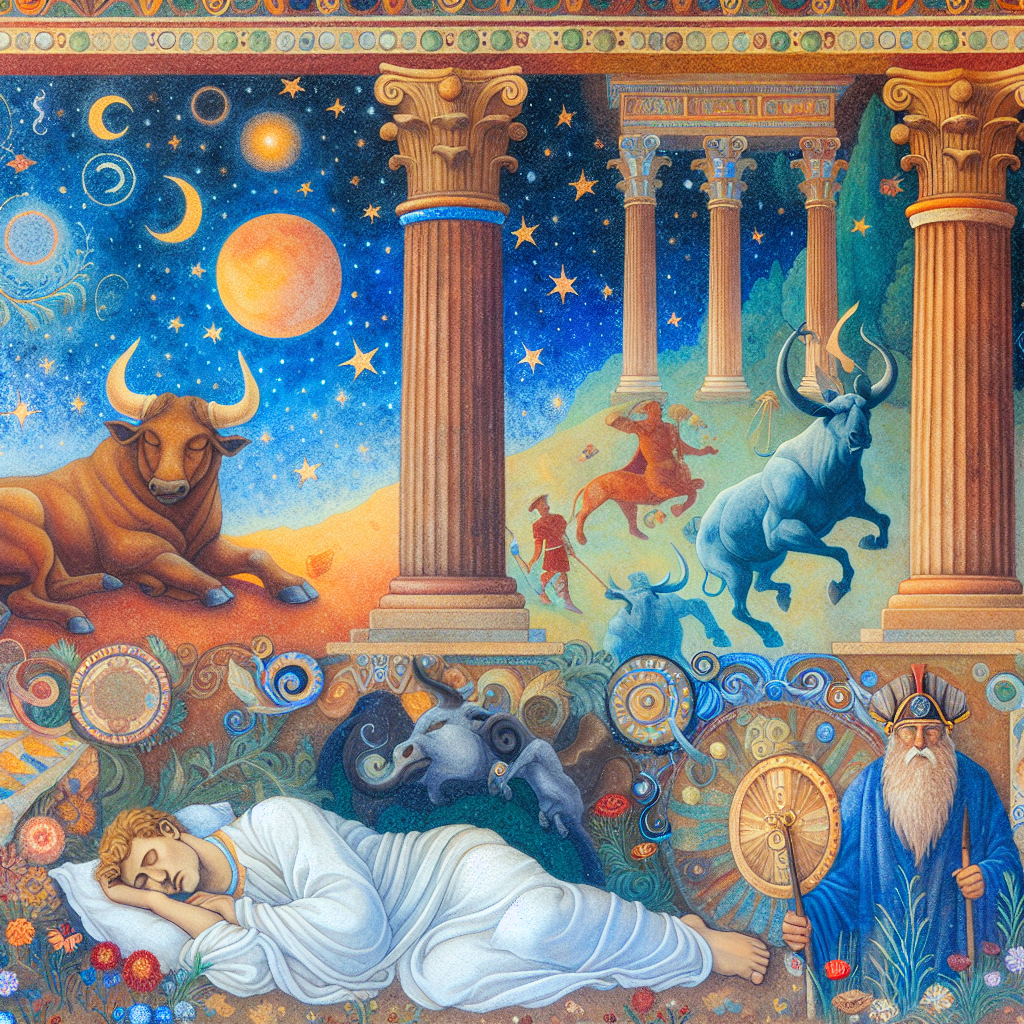
Dreams and myths held a significant place in ancient Roman culture, serving not only as conduits for personal introspection but also reflecting the socio-political landscape of the time. Romans viewed dreams as messages from the gods or indications of the subconscious mind, while myths provided a framework for understanding human existence, morality, and the universe. This article explores the intricate web connecting dreams and myths in Roman society, illustrating their profound impact on religion, literature, and everyday life.
Dreams: Portents and Personal Revelations
In Roman culture, dreams were often perceived as prophetic and imbued with divine significance. This belief in the portentous nature of dreams can be traced back to early Roman history and was influenced by earlier Greek traditions. Prominent figures like Cicero, in his writings, embraced the idea that dreams were messages from the divine or foreshadowed future events. As Cicero noted, dreams could serve as “the mirrors of the psyche” reflecting one’s psychological state, while also revealing hidden truths.
The Romans developed a set of practices surrounding the interpretation of dreams, often referred to as oneirology. Specific dream books, such as “Oneirocritica” by Artemidorus, offered guidelines for understanding dream symbols and their significance. Romans would seek out auspicium, or omens, from dreams before making important decisions, such as military campaigns or political actions. For instance, the dream of the legendary hero Aeneas, who saw his divine mission in a dream, galvanized the Roman people in their identity as a predestined civilization.
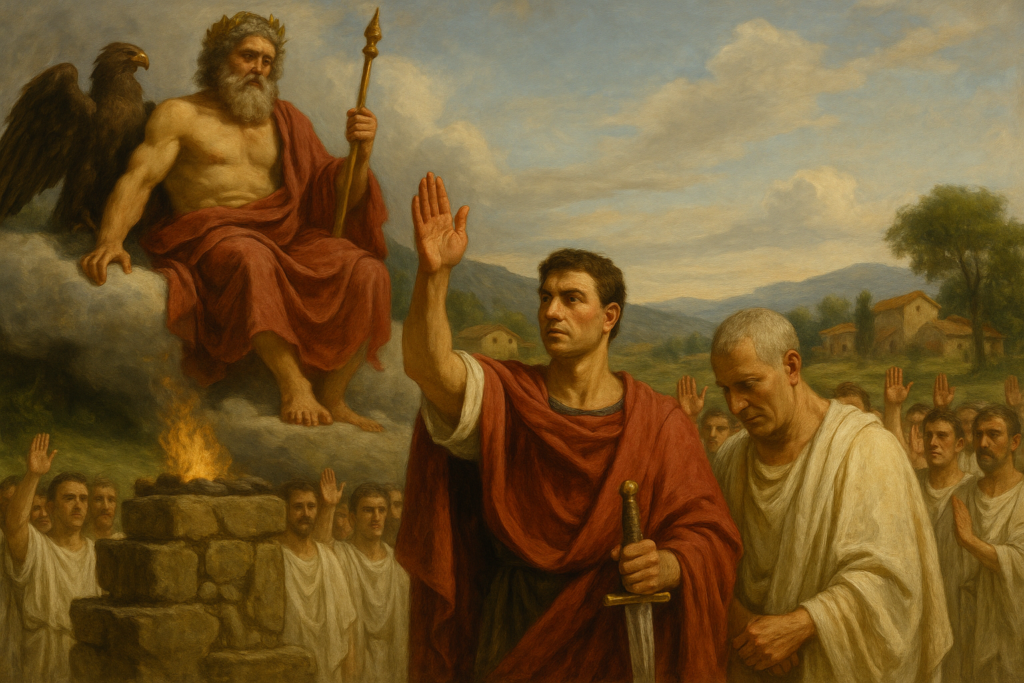
Prominent emperors like Augustus attributed political decisions to dreams, reinforcing the belief that divine favor was intertwined with governance. This interconnection between dreams and state affairs emphasized the omnipresence of divine influence in Roman life. It also helped cement the emperor’s role as both a political leader and a figure of divine authority.
Myths: The Fabric of Roman Identity
The myths of Rome are not merely tales of gods and heroes; they are foundational narratives that shaped Roman identity, cultural practices, and moral values. Figures like Romulus and Remus, Aeneas, and the various gods of the Roman pantheon provided archetypical narratives that resonated deeply with the Roman people.
The myth of Romulus and Remus, for instance, involves themes of fratricide, destiny, and the divine right to rule. This narrative served to legitimize Rome’s status as a city founded by divine will and imbued with heroic ancestry. The concept of pietas—duty to the gods, family, and country—was reinforced through these myths, emphasizing the importance of moral conduct and civic responsibility.
In literature, poets like Virgil and Ovid provided the cultural tapestry that intertwined myth and identity. Virgil’s “Aeneid” not only chronicles the journey of Aeneas from Troy to Italy but also articulates a vision of Rome’s destiny as a unifying force in the Mediterranean world. The poem served both as a historical narrative and a mythic foundation, weaving together themes of individual sacrifice for collective glory.
Myths were also deeply embedded in the Roman religious practice. Temples dedicated to various deities were adorned with mythological scenes, allowing the populace to engage with these stories in their everyday lives. Festivals, such as the Lupercalia and Saturnalia, celebrated these myths, reinforcing communal bonds and societal norms.
Intersections of Dreams and Myths
The interplay between dreams and myths was a hallmark of Roman culture, where the boundaries between the subconscious and the mythic storytelling often blurred. Myths frequently provided the narrative framework within which dreams could be understood, while dreams offered a personal lens through which one could contemplate mythological narratives.
For instance, a Roman citizen might dream of Ventus, the god of wind, encountering a mythical figure in their dream could prompt reflection on personal aspirations or moral dilemmas. Such experiences could inspire a deeper understanding of one’s role within the larger mythic narratives at play in Roman culture.
Literary works like Ovid’s “Metamorphoses” illustrate these intersections beautifully. The text seeks to transform characters, highlighting the fluidity of identity and destiny, resonating with the dreamlike quality of myth where transformation is possible. Ovid’s narratives intertwine human experiences with divine interventions, echoing the themes that dreams often reveal—change, hope, and the search for meaning.
Conclusion: The Legacy of Dreams and Myths in Roman Society
The roles of dreams and myths in ancient Roman culture reveal a society steeped in spiritual significance, where the divine permeated daily life and personal identity. Through dreams, Romans sought guidance and understanding of their place in the world, while myths provided a rich tapestry of stories that shaped their values, beliefs, and identities.
This interconnectedness between dreams and myths played a pivotal role in fostering a sense of identity for the Romans, both as individuals and as a collective civilization. They served as tools for navigating the complexities of existence, offering insight into the human experience and the universe.
As the Roman Empire expanded and integrated diverse cultures, these beliefs evolved yet remained crucial to the social fabric, leaving a lasting legacy that would influence every aspect of Western civilization in the centuries to follow. The enduring fascination with dreams and myths in art, literature, and psychology continues to echo Roman sensibilities—reminding us of the timeless quest for understanding in an unpredictable world.