The Legacy of Roman Mythology in Modern Culture
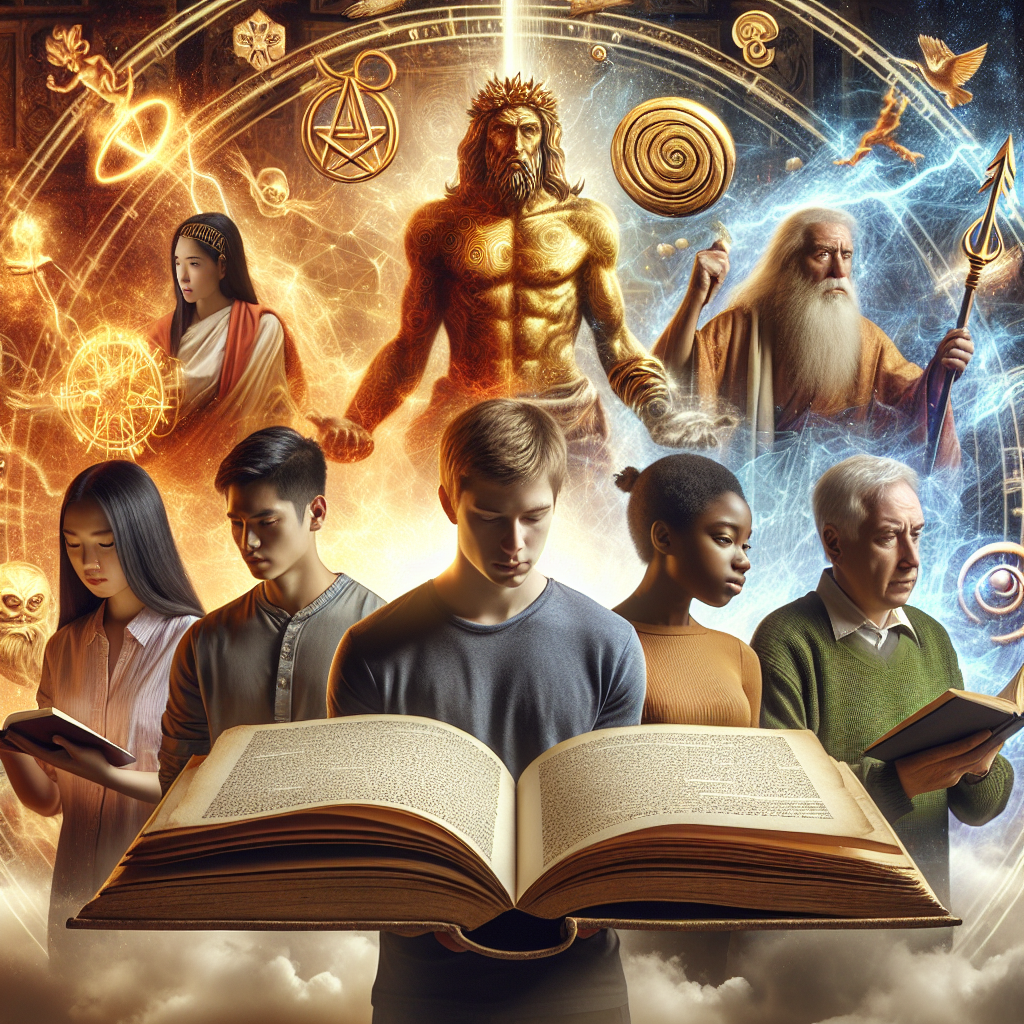
Roman mythology, often overshadowed by its Greek counterpart, has left an indelible mark on modern culture that continues to resonate in various aspects of everyday life. Its influence can be seen in literature, art, psychology, and religion, shaping how we perceive the world around us. By exploring the various avenues through which Roman mythology has permeated modern culture, we can better appreciate the legacy of this ancient civilization.
The Foundations of Roman Mythology
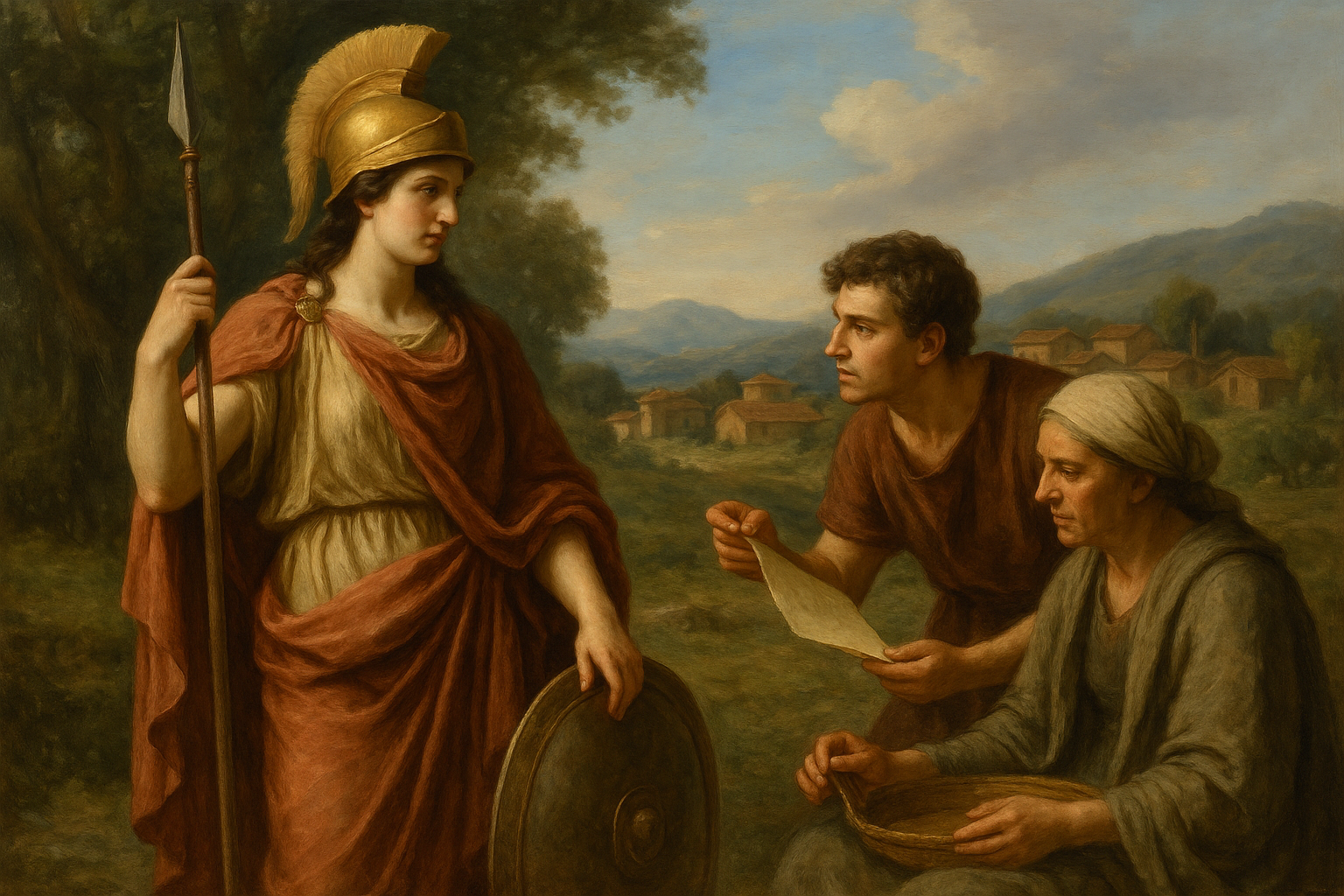
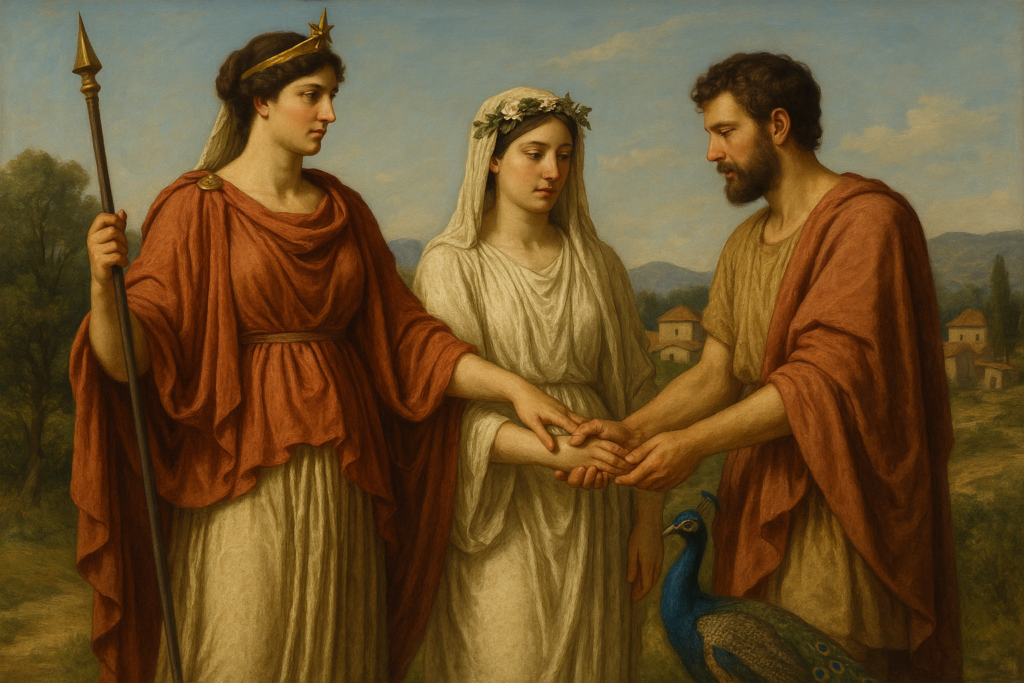
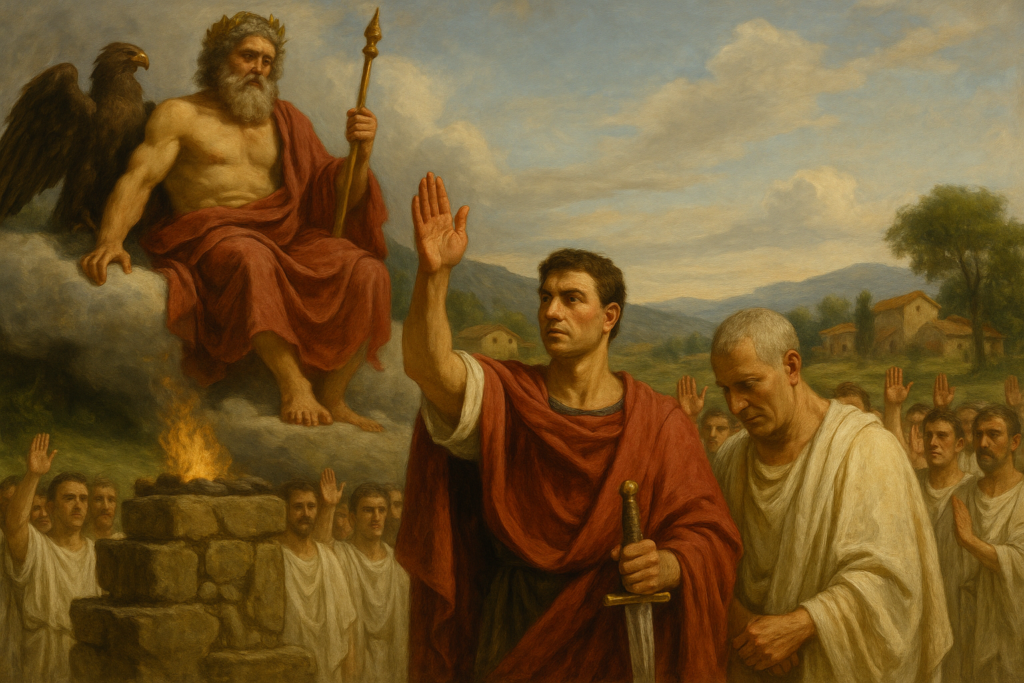
Roman mythology comprises a rich tapestry of gods, goddesses, and mythical stories, many of which were adapted from Greek originals but infused with distinctly Roman values. Central figures such as Jupiter (the Roman equivalent of Zeus), Mars (the god of war), and Venus (the goddess of love) serve as archetypes that embody various human experiences and societal ideals. The tales of these deities often reflect the historical, political, and social issues of ancient Rome, providing a lens through which we can examine the human condition.
Literature and Storytelling
The influence of Roman mythology is prominently featured in literature, with numerous authors drawing inspiration from its rich themes and characters. Works such as Virgil’s “Aeneid” not only serve as foundational texts in Western literature but also convey moral and political lessons that resonate to this day. The character of Aeneas, a symbol of duty and virtue, reflects the Roman ideal of pietas and remains relevant in discussions of leadership and sacrifice.
Modern authors have transformed Roman mythological themes into contemporary storytelling. From novels to films, Roman mythology’s structure and motifs often reappear. The use of epic journeys, heroic conflicts, and the struggle between fate and free will in modern narratives can be traced back to Roman mythological traditions. Thinkers like Joseph Campbell, particularly in his work on the monomyth or “hero’s journey,” illustrate how these ancient stories have shaped modern storytelling frameworks.
Art and Visual Culture
The legacy of Roman mythology also extends into the visual arts. Roman art, heavily influenced by the mythology of both Greek and Roman gods, has inspired countless painters, sculptors, and filmmakers. Renowned artists throughout history, such as Botticelli and Michelangelo, have incorporated mythological elements into their works, emphasizing themes of beauty, power, and transcendence.
In contemporary art and film, the use of Roman mythological iconography continues to thrive. Movies like “Gladiator,” “300,” and various adaptations of “Romeo and Juliet” and “The Aeneid” draw upon the grandeur of Roman mythological themes, investing them with modern narratives and characters. These adaptations often explore timeless themes such as love, vengeance, and the interplay of fate versus free will, demonstrating how the human experience remains unchanged across millennia.
Language and Expressions
Roman mythology has also significantly influenced the English language and idiomatic expressions. Many words and phrases derive from Roman mythology, reflecting the culture’s depth and pervasiveness. Terms like “panic” (from the god Pan), “vulgar” (from Vulcan), or even the phrase “Achilles’ heel” (originating from Greek but incorporated into Roman culture) reveal how these ancient stories have shaped our linguistic landscape.
Furthermore, the names of the planets in our solar system, such as Mars, Venus, and Jupiter, are rooted in Roman mythology. This astronomical nomenclature illustrates how deeply embedded these myths are in our daily lives, elevating them from ancient stories to universally recognized symbols.
Psychology and Personal Identity
The realm of psychology has also engaged with Roman mythology, particularly in the context of archetypes and the human psyche. Carl Jung incorporated mythological elements into his theories, using Roman and Greek myths to explore concepts of the collective unconscious. The archetypes present in Roman mythology—heroes, mentors, and tricksters—continue to influence the understanding of personal identity and human behavior in modern psychology.
In therapeutic contexts, individuals often draw upon mythological narratives to construct their identities or understand their personal life journeys. The stories of gods and mythical heroes can serve as metaphors for our struggles and triumphs, allowing individuals to navigate their own challenges with greater clarity and insight.
Religion and Spirituality
While modern society is marked by a plurality of belief systems, the vestiges of Roman mythology continue to surface in contemporary spiritual practices. The syncretism of Roman beliefs with early Christianity illustrates how these ancient myths adapted to new religious contexts. For instance, many attributes of Roman deities were reinterpreted as saints, reflecting a continuity of belief and cultural adaptation.
Even today, elements of Roman mythology reemerge in modern paganism and neopagan movements, which often venerate Roman deities and participate in rituals inspired by ancient traditions. These practices indicate the enduring power of these myths and their capacity to provide meaning and connection in a modern spiritual context.
Conclusion: A Timeless Legacy
The legacy of Roman mythology is far-reaching, encapsulating aspects of literature, art, language, psychology, and spirituality that continue to shape contemporary culture. From the epic tales of gods and heroes to their manifestations in modern storytelling, the themes and archetypes of Roman mythology resonate through generations.
As we navigate our complex world, the narratives and wisdom embedded in Roman mythology remind us of our shared humanity and the timeless nature of our struggles and aspirations. Recognizing this legacy allows us to appreciate the profound ways in which the past informs the present, ensuring that Roman mythology remains not merely a relic of ancient civilization but a living tradition that enriches our modern lives.