The Enigmatic Cult of Mithras in Roman Society
The Cult of Mithras remains one of the most fascinating and enigmatic religious movements that flourished during the late Roman Empire. With its roots tracing back to the ancient Persian deity Mithra, the cult emerged in a distinctly Roman context, capturing the imagination of soldiers, merchants, and philosophers alike. Its intricate rituals, secretive nature, and intriguing symbolism invite exploration into the social and cultural environments that nurtured its growth.
Origins and Historical Context
Mithras, originally a Zoroastrian figure associated with light and truth, was worshipped in ancient Persia long before the Romans ever came into contact with him. By the time of the Roman Empire, Mithras had been reinterpreted through the lens of Hellenistic culture, taking on new attributes and meanings that resonated with personal salvation and cosmic dualism. The cult is believed to have been introduced to Rome in the 1st century CE, likely brought back by Roman soldiers returning from the eastern provinces, particularly those stationed in Persia and Armenia.
The period of the late 1st to early 4th century CE saw significant religious transformation in the Roman Empire. Traditional Roman polytheism sat side-by-side with a variety of mystery religions promising personal salvation, such as the Cult of Mithras. These cults often appealed to the lower and middle classes, as well as those seeking a sense of belonging—something that was highly coveted in the sprawling Roman landscape.
Structure and Beliefs
The Cult of Mithras was characterized by a complex set of beliefs and an intricate hierarchy, appealing primarily to men, particularly soldiers and merchants. The core tenet of the Mithraic faith was the worship of Mithras as a divine intermediary. Believers viewed him as a savior figure who engaged in a cosmological battle against evil, representing light, truth, and justice.
One of the most significant elements of Mithraic worship was the ritual of the “tauroctony,” a ceremonial lion hunt and slaying of a bull, which was often depicted in Mithraic art. This ritual symbolized the life-death-rebirth cycle, reinforcing the idea of spiritual renewal and communion with the divine. The blood of the bull was regarded as sacred, and its death was seen as a cosmic event that nourished the earth, mirroring agricultural cycles.
The Mithraic community was organized into a system of grades, similar to Freemasonry and other secretive societies. Initiates would ascend through seven levels of initiation, each commanding more esoteric knowledge and a more profound understanding of Mithras’ nature and the universe. These levels included the grades of “Lion,” “Soldier,” “Persian,” and others, culminating in the highest rank of “Father.” The profundity of these rituals and transitions reinforced a sense of belonging and collective identity among adherents, who would gather in underground temples, known as mithraea.
Mithraea: The Temples of Mithras
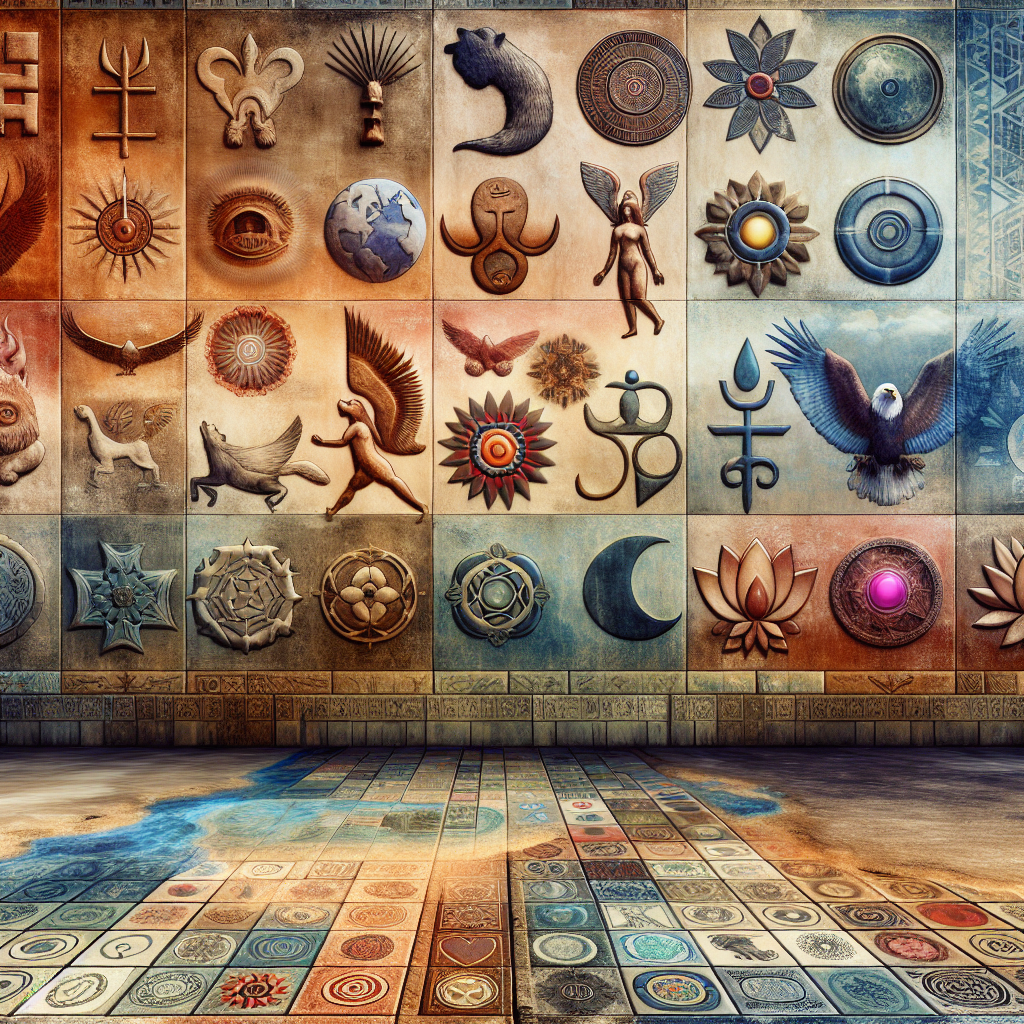
Mithraea were often constructed in underground locations to create an atmosphere of secrecy and intimacy, vital for the rituals that took place within. These temples were typically adorned with stunning iconography portraying scenes from Mithras’ life, such as his combat with the bull, his connection to the sun, and the zodiac. The layout of a mithraeum usually included an altar for the sacrificial rites, a room for communal meals—reflecting shared feasting, which was central to Mithraic worship—and a space for ritual activities, all designed to facilitate a sense of community among initiates.
The remains of numerous mithraea have been uncovered across Europe, from Rome to the borders of the Empire. These structures reveal remarkable craftsmanship and creativity, suggesting that the followers of Mithras invested time and resources into creating spaces that reflected their beliefs and values.
Social and Political Influences
The Cult of Mithras garnered a diverse following, primarily among the military and merchant classes. Soldiers, influenced by their travels across the Empire, found in Mithras a divine protector, a source of strength, and a unifying belief system among comrades. The cult provided solace and camaraderie in the often precarious life of a soldier, especially during expansive campaigns or conflicts.
Additionally, the cult bore implications for social dynamics. As a male-dominated community, it provided a network and sense of brotherhood. However, its exclusivity also fostered an environment where practitioners could be sidelined from mainstream social circles, often leading to tensions with established religious institutions within Roman society.
Politically, the mystery religion reflected the shifting patronage in the Empire. As emperors sought favor among military factions, some adopted Mithraism, creating links between state power and religious influence. However, the rise of Christianity in the 4th century posed challenges to Mithraism’s prominence.
The Decline of Mithras
As Christianity gained momentum and eventually became the official religion of the Roman Empire under Emperor Constantine, the Cult of Mithras began to decline. The adoption of Christianity brought a unifying doctrine, which offered inclusive salvation and challenged the closed nature of mystery religions.
By the late 4th century, with the increasing dominance of Christian ideology, sacrificial rituals and the exclusivity of the Mithraic community fell out of favor. Many mithraea were repurposed or destroyed in the wave of Christian intolerance towards pagan practices, leading to the erosion of Mithraism as a significant religious entity.
Legacy and Modern Fascination
Despite its decline, the Cult of Mithras has left a profound legacy. The archetypes, symbols, and values associated with Mithras have been reinterpreted throughout history, finding resonance in various movements, art, and literature. Modern fascination with Mithraism often revolves around its mystery elements, intricate rituals, and the moral dichotomies cast against the backdrop of a diverse religious landscape.
In contemporary scholarship, Mithras serves as a lens through which the socio-political tensions of the Roman Empire can be examined. The journeys of individual belief systems and the complexity of interactions between emerging religions provide crucial insights into early forms of spirituality that shaped western thought.
Conclusion
The Cult of Mithras represents a particularly rich chapter in the tapestry of Roman religious life—a blend of ancient traditions and freshly forged beliefs, forged in the crucible of an expansive empire. Its intricate rituals, deeply communal structure, and the dualism of light versus darkness conjure images of a more profound spiritual quest that echoes through time, inviting further inquiry and exploration into the mysteries it held. The enigmatic nature of Mithras continues to fascinate scholars and seekers alike, testament to the enduring power of myth and belief in the human experience.