Roman Myths That Shaped Architectural Marvels
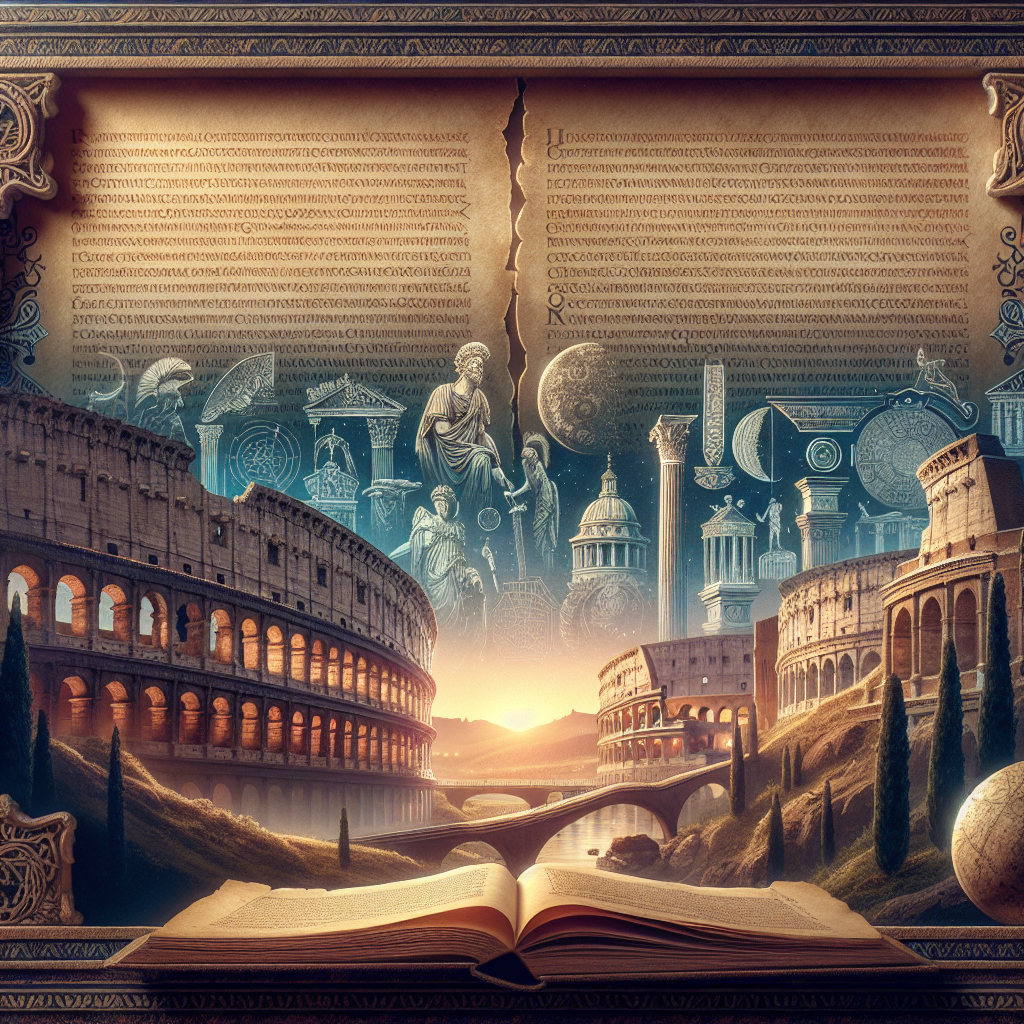
The architectural grandeur of ancient Rome is more than mere stone and mortar; it reflects a vibrant tapestry of mythology, culture, and societal values. These myths served as powerful narratives that inspired and influenced the design and purpose of Roman structures. From temples to amphitheaters, the architectural marvels of Rome bear the imprint of Rome’s rich mythological tradition, blending purpose, aesthetics, and ideology.
The Pantheon: A Testament to Divine Influence
One of the most enduring symbols of Roman architecture is the Pantheon, originally built as a temple to the gods and later consecrated as a Christian church. Its name, derived from the Greek words “pan” (all) and “theon” (gods), reflects its connection to Roman divinity. The Pantheon showcases the Roman penchant for harmony and unity, converting mythological beliefs into architectural form.
Legends suggest that the original structure was commissioned by Marcus Agrippa, a close ally of Emperor Augustus. This design was inspired by the Aeneid, the epic poem by Virgil that recounts the mythological journey of Aeneas, a hero of the Trojan War, who is credited with the founding of Rome. The circular dome of the Pantheon symbolizes the heavens, while the oculus at the center serves both a practical purpose—illuminating the interior—and a symbolic one, representing the connection between the earthly and divine realms.
The architectural mastery of the Pantheon not only demonstrates the Romans’ engineering prowess but also reflects the myths that defined their religious identity. The myth of Romulus and Remus, the twin founders of Rome, further emphasizes the deep-rooted connection between the city’s inception and its divine heritage.
The Colosseum: The Arena of Legends
Another architectural marvel, the Roman Colosseum, draws inspiration from mythological themes of combat and heroism. As a venue for gladiatorial contests and other public spectacles, it represents the Roman values of valor and triumph over adversity. The Colosseum is not merely an arena; it embodies the legends of gods and mortals, captivating audiences through brutal displays of strength and skill.
Myths surrounding Hercules, who famously completed the Twelve Labors, resonate within the context of the Colosseum. Gladiators often embodied heroic ideals, with their battles echoing Hercules’ trials. The innovative design of the Colosseum, featuring a complex system of vaults and arches, allowed for the seamless organization of crowds and events, mirrored in stories of mythological gatherings of heroes and gods.
In addition, the myth of Persephone—the goddess of spring—holds significance in the Colosseum’s cycle of life, death, and rebirth. The brutal nature of the gladiatorial battles symbolized death, while the eventual return of peace to the city represented rebirth. This duality reflects a broader understanding of life in Rome, where myths colored public perception and societal hopes.
Roman Forums: Civic Life and the Gods
At the heart of Roman urban planning lay the forums—public spaces that served as centers of political, social, and economic life. These forums reflected not only civic engagement but also the deep interconnection between mythology and daily life. The Roman Forum, for example, bore witness to countless events influenced by mythical narratives.
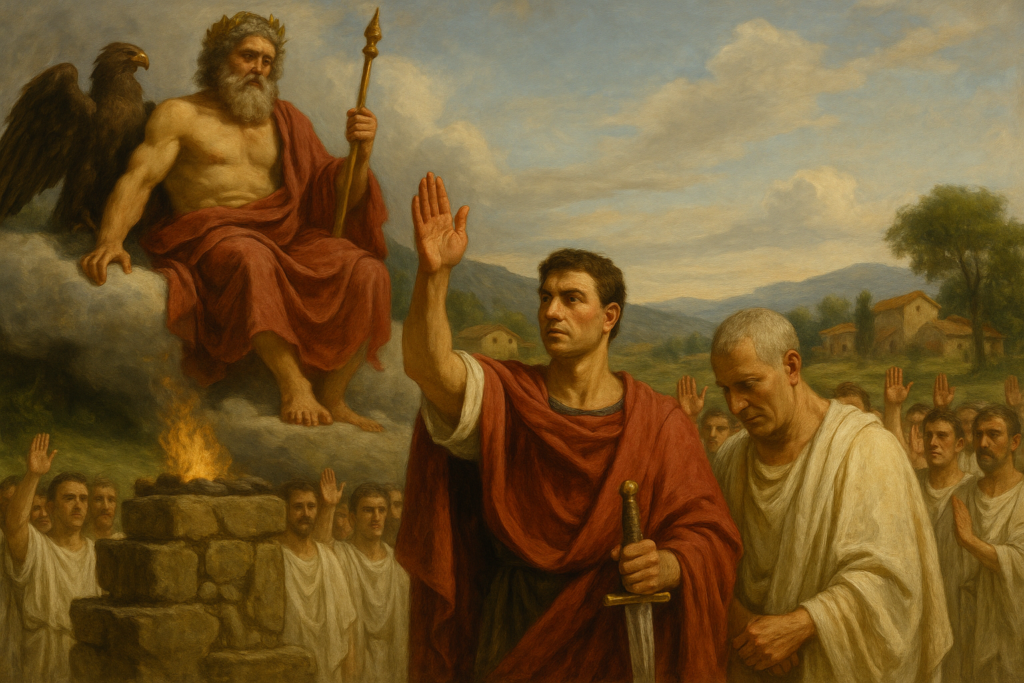
Structures like the Temple of Jupiter Optimus Maximus, which dominated the Capitoline Hill, were designed as physical embodiments of Roman piety and reverence towards the gods. The myth of Jupiter, the king of the gods and protector of Rome, was crucial to this temple’s significance. It served as a space for worship, decision-making, and societal gatherings, reinforcing the idea that divine favor was integral for the prosperity of the city.
The myths of Roman gods, such as Venus and Mars, also influenced the design of various monuments within the forum. Temples dedicated to these deities celebrated love and war, echoing the Roman duality of passion and bravery. The architecture of these temples not only honored the gods but also instilled a sense of pride and identity in the citizens.
Aqueducts: Ingenious Engineering and Myths of Abundance
The Roman aqueducts stand as testaments to the ingenuity of Roman engineering, delivering water to cities in an advanced plumbing system. However, these marvels were also steeped in mythology, emphasizing the importance of water and abundance, which were frequently personified in Roman thought.
One prominent figure linked with water is the goddess Fortuna, who governed the flow of wealth and prosperity. The successful construction of aqueducts was often attributed to divine favor, with the belief that the spirits of the land were appeased. Myths surrounding the nymphs, water spirits associated with springs, were instrumental in highlighting the importance of water in sustaining life and prosperity.
In this way, aqueducts didn’t just serve a practical function; they embodied principles from mythology that reinforced the connection between humans and the natural world. Their majestic arcs and bridges echoed the Roman narrative of control over nature, showcasing both human achievement and respect for the divine forces believed to influence their success.
The Influence of Greek Myths
Although Roman culture is often associated with its own unique myths, the influence of Greek mythology can be distinctly seen in Roman architecture. The transformation of Greek temples into Roman forms gives insight into how these two cultures intersected through architecture.
The adoption of the Corinthian order in temple design, which emphasized ornate columns and intricate details, mirrors the mythological tales associated with gods like Athena and Poseidon. The placement of these temples in urban landscapes served to honor the deities similar to the practices in ancient Greece, fostering unity among communities through shared beliefs.
Notably, the temple of Venus Genetrix, dedicated to the goddess associated with love and fertility, reveals both Roman piety and the influence of mythology to structure civic identity. The architectural style emphasized grandeur, similar to the temples in Greece, showcasing how myths could be leveraged to communicate shared values and ideals.
Conclusion
The architectural marvels of ancient Rome are imbued with mythology that reflects the complexity of its society. From the grandeur of the Pantheon to the intimidating presence of the Colosseum and the intricate designs of the aqueducts, these structures do more than serve practical purposes; they embody the essence of Roman myths and the intertwined relationships between both the sacred and the secular. The myths shaped not only architectural decisions but also the cultural identity of a civilization that continues to captivate and inspire the world today. Therefore, understanding these narratives is integral to appreciating the architectural legacy of ancient Rome in the context of its societal and mythological framework.