Lesser-Known Myths of the Roman Empire
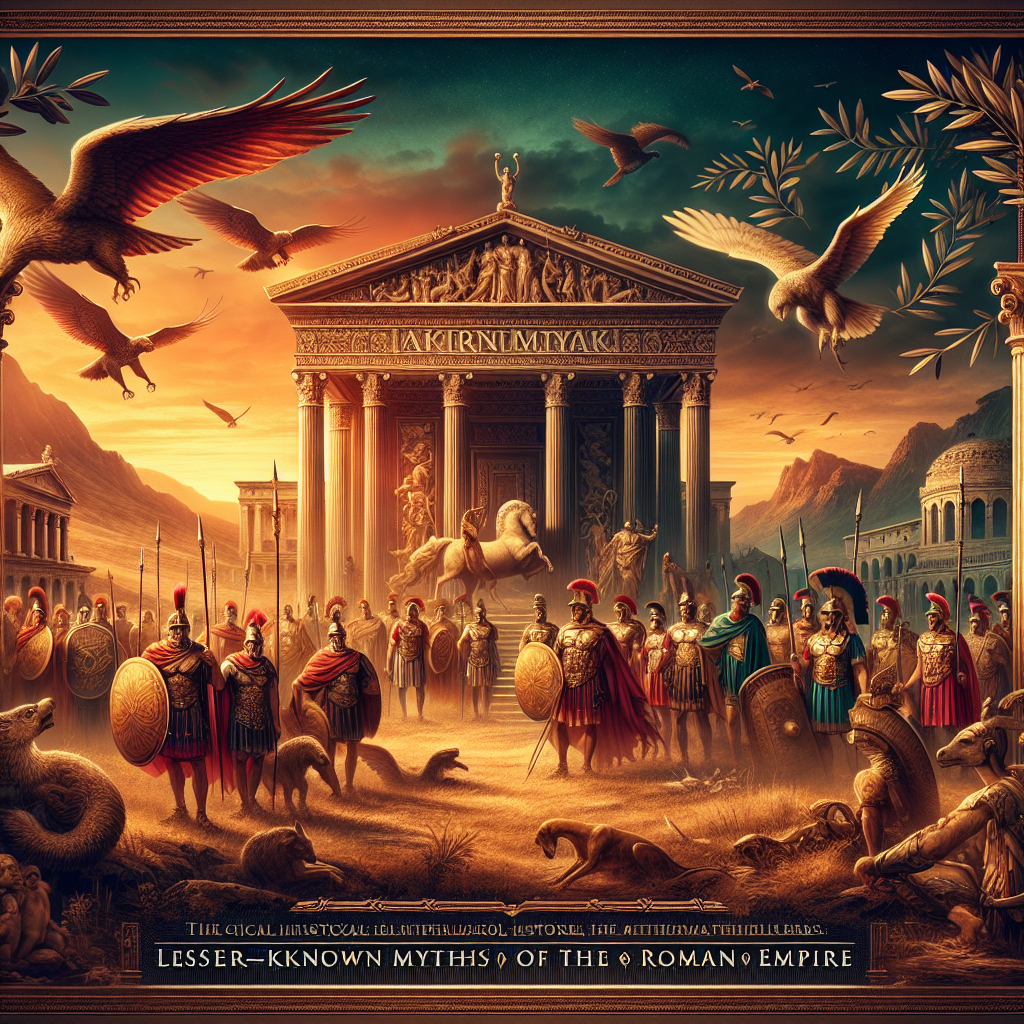
The Roman Empire, spanning over a millennium and encompassing diverse cultures across Europe, North Africa, and parts of Asia, left an indelible mark on history. While many are familiar with its grand narratives, such as the rise and fall of Julius Caesar or the glories of gladiatorial games, there exists a trove of lesser-known myths and legends that illuminate the complexity of Roman culture and beliefs. This article delves into some of these enigmatic stories, revealing insights into the Roman psyche.
1. The Legend of Romulus and Remus
Most people know the iconic tale of Romulus and Remus, the twin brothers supposedly raised by a she-wolf and the founders of Rome. However, less often discussed is the myth surrounding the avian omens that guided Romulus in deciding the city’s location. According to legend, Romulus and Remus ascended to the Palatine Hill to observe the flight patterns of birds. Romulus saw twelve birds, while Remus only saw six. The significance of this detail has led scholars to explore the religious and political ramifications tied to augury, the practice of interpreting omens from bird movements. The fateful decisions made based on these signs were pivotal, underpinning the Romans’ insatiable quest for divine favor.
2. The Aeneid’s Influence
Virgil’s Aeneid is often lauded as the story that narrates the mythical foundation of Rome through the hero Aeneas. However, many overlook the lesser-known myths intertwined within the epic. One fascinating element is Aeneas’s descent into the Underworld, where he encounters the souls of fallen heroes and receives prophetic visions. This journey underscores the Roman belief in fate and the inevitable weight of history that shapes individual destinies. Moreover, Aeneas’s role as a Trojan hero often led to myths blending the identities of Romans and Trojans, emphasizing their shared struggles against adversity.
3. The Myth of the Sibyl
Less familiar is the myth surrounding the Sibyl, a prophetic figure who resided in a cave near Cumae. Sibyls were believed to possess the gift of prophecy, and in Roman mythology, the Sibyl of Cumae had a particularly compelling story. According to the myth, she offered the Roman king Tarquin the Proud nine prophetic books, but he rejected her price. In a fit of rage, she burned three books, leaving him with the six. This story serves multiple purposes: it illustrates the theme of hubris, the importance of listening to wise counsel, and the unpredictable nature of fate. The tales of the Sibyl highlight the Romans’ recognition of their own limitations in the face of divine wisdom.
4. The Cult of Mithras
The mystery cult of Mithras, which gained popularity among Roman soldiers, remains one of the more obscure facets of Roman religious life. Mithras, a deity derived from Persian mythology, was celebrated in underground temples known as Mithraea, often featuring elaborate rituals, including the slaying of a bull. This act symbolized rebirth and regeneration, resonating with themes of courage and fraternity. The lesser-known myth surrounding Mithras involves his birth from a rock, signifying his association with life and the earth. The rise of Mithraism reflects an intriguing blend of Eastern and Western religious practices during the empire’s expansion.
5. The Tragedy of the Gracchi Brothers
The story of Tiberius and Gaius Gracchus, known as the Gracchi brothers, is often interpreted through a political lens. However, the myths surrounding their lives and deaths unfold a deeper narrative of resistance against the status quo. Their ambitious reforms aimed at land redistribution met with fierce opposition from the Senate, leading to violent confrontations and their eventual deaths. The myth of their martyrdom transformed them into symbols of social justice—figures who, despite their tragic ends, inspired future generations to seek reform. This narrative illustrates the enduring struggle for equity in Roman society.
6. The Legend of the Lucretia
The tale of Lucretia is a poignant and lesser-known myth that resonates with themes of honor, virtue, and the consequences of tyranny. According to the legend, Lucretia, a noblewoman, was raped by Sextus Tarquinius, the son of the last king of Rome. In her despair, she committed suicide, which incited a rebellion against the monarchy and led to the establishment of the Roman Republic. Her story embodies the Roman ideals of honor and sacrifice, emphasizing the cultural importance of female virtue. Lucretia’s myth serves as a cautionary tale against the abuse of power and the capacity for personal tragedy to ignite political transformation.
7. The Myth of the Lares and Penates
The Lares and Penates, lesser-known deities of the household, reveal insights into the domestic spirituality of Romans. The Lares were guardian spirits associated with the home and family, while the Penates protected the pantry and food supplies. Romans would perform rituals to honor these deities, attributing prosperity and protection to their favor. This mythos underscores the importance of the family unit and domestic life in Roman culture, highlighting a spirituality often overshadowed by public rituals and grand temples. These myths remind us that the sanctity of home and family was foundational to Roman identity.
8. The Myth of Hercules in Italy
Hercules, originally a Greek hero, became a significant figure within Roman mythology, especially in relation to the founding of cities in Italy. The lesser-known legend describes Hercules’s adventures in Italy, particularly his encounters with local tribes and monsters. His triumph over these adversaries contributed to the myth of Rome’s eventual rise as a dominant power. Hercules’s stories exemplified bravery and strength, qualities the Romans sought to embody in their military conquests. His integration into Roman myth signifies the blending of cultural narratives as the empire expanded.
Conclusion
The lesser-known myths of the Roman Empire offer a rich tapestry of stories that reflect the complexities of Roman society. These tales, encompassing themes of divine interaction, social justice, personal sacrifice, and the sanctity of family, resonate beyond their historical contexts. By exploring these myths, we gain a deeper understanding of how the Romans viewed themselves and their world—a civilization striving for greatness while grappling with the forces of fate, morality, and human fragility. In these lesser-known narratives, the essence of Rome continues to live on, inviting us to reflect on our own values and aspirations.